The Strategic, Political Affairs and Defense Committee of the Mecca Defense Alliance, formed under the joint defense agreement established by Türkiye, Saudi Arabia and Pakistan on August 7, held its first meeting in Istanbul on August 31.
At the meeting held at Çırağan Palace, the alliance’s official name was set as Mecca Defense Alliance. Preliminary decisions were also made on establishing the secretariat in Riyadh, creating the office of secretary-general and sequencing the steps toward institutionalization.
Senior participation from all three countries
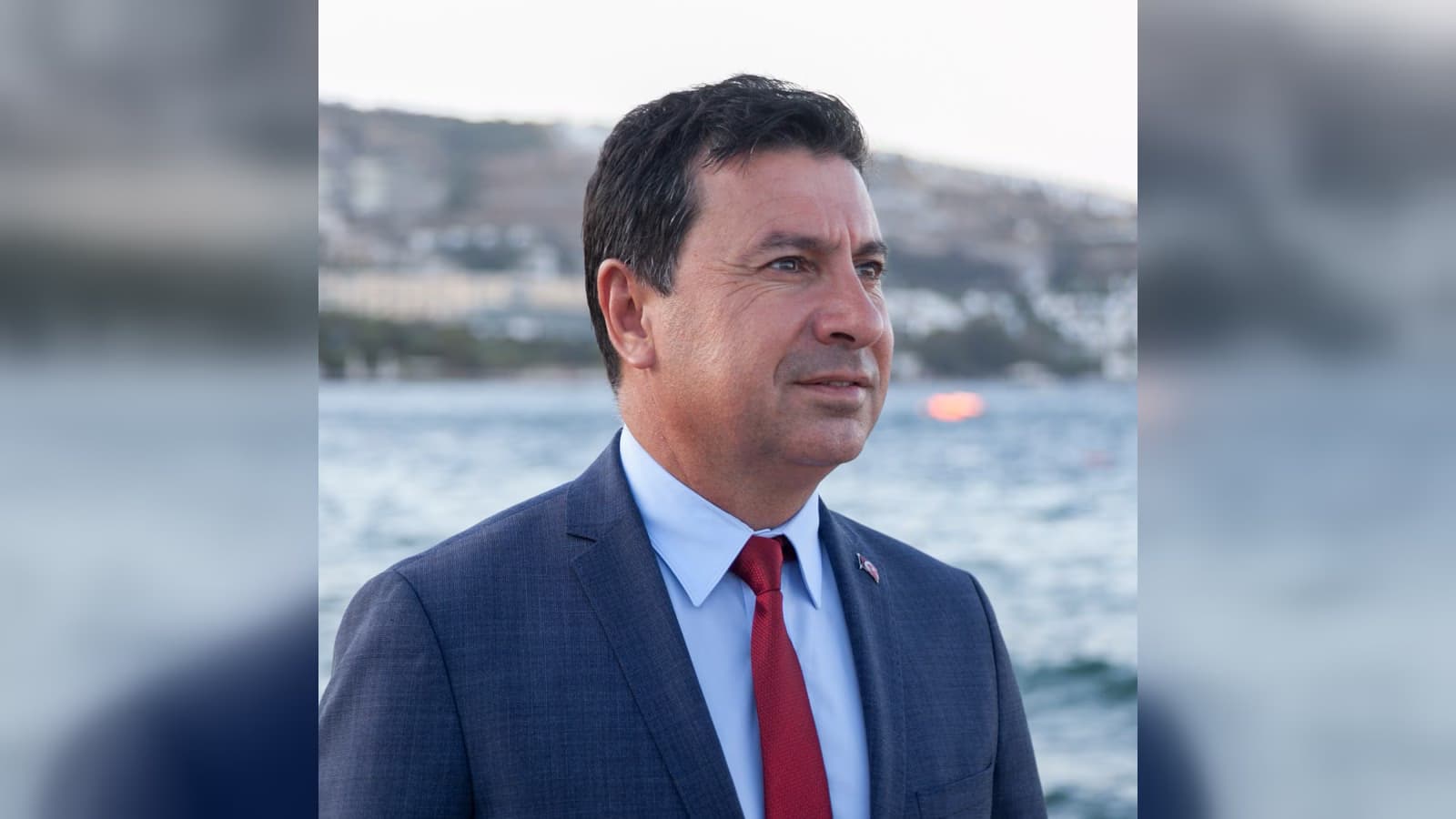
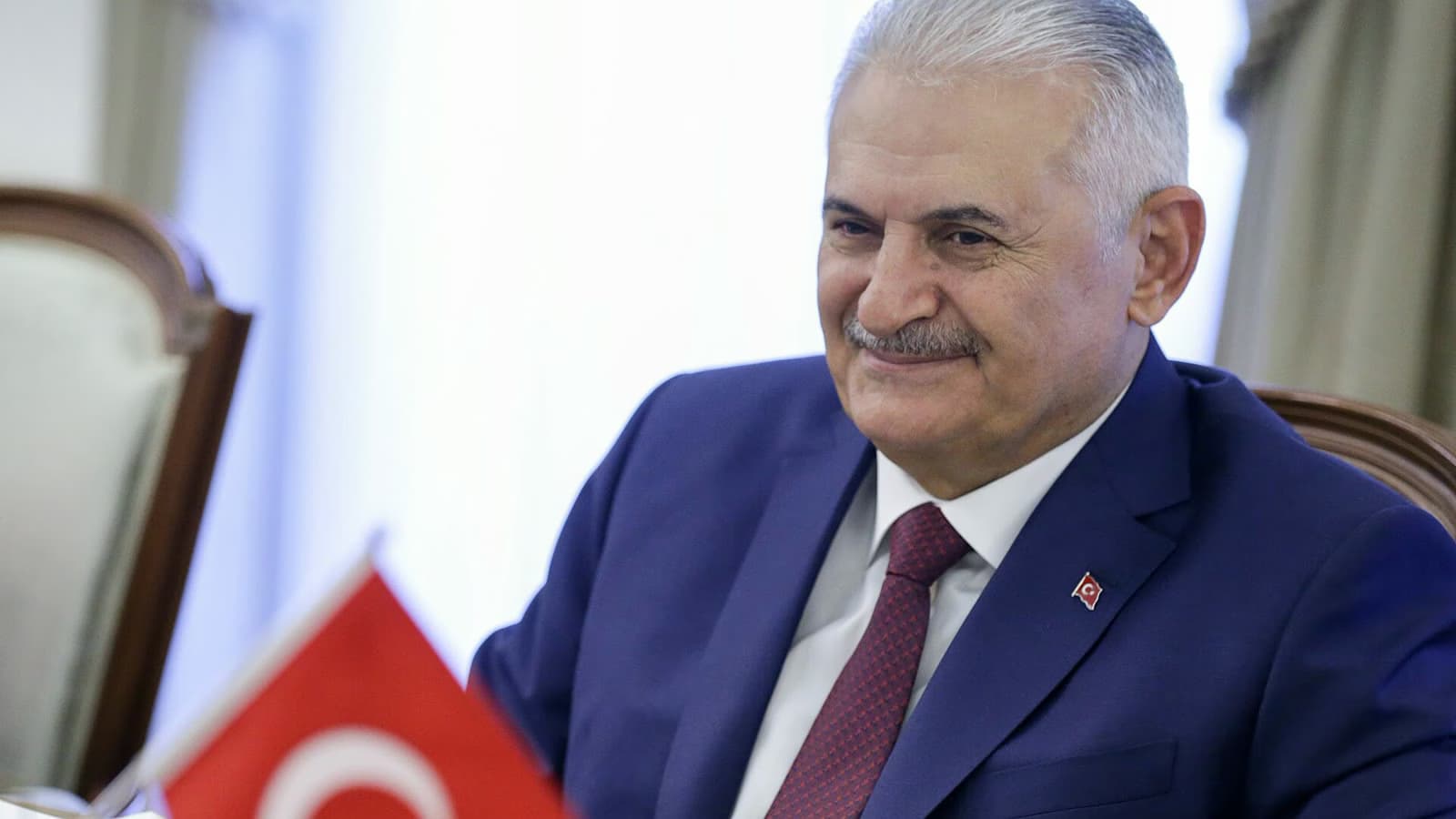
Türkiye was represented by Foreign Minister Hakan Fidan, National Defense Minister Yaşar Güler and Chief of General Staff General Selçuk Bayraktaroğlu. Pakistan’s delegation included Deputy Prime Minister and Foreign Minister Ishaq Dar, Defense Minister Khawaja Muhammad Asif, and Army Chief and Chief of General Staff Asim Munir.
Saudi Arabia’s delegation was led by Foreign Minister Prince Faisal bin Farhan, Defense Minister Prince Khalid bin Salman and Chief of General Staff General Fayyad bin Hamed Al-Ruwaili. The participation of diplomats as well as defense officials and senior military commanders showed that the agenda also extended to technical issues such as joint planning, interoperability and exercises.
Secretariat to be established in Riyadh
The meeting decided to establish the alliance’s secretariat in Riyadh and appoint its first secretary-general from Pakistan for a three-year term. With Istanbul hosting the first committee meeting, the three countries are expected to assume different responsibilities within the alliance’s institutional structure.
Joint technology development and joint production in the defense industry were also among the priority issues discussed. The subsequent stages were listed as adopting the alliance’s charter, launching the secretariat in Riyadh and implementing joint production protocols.
Türkiye’s defense and diplomatic capabilities stand out
According to Gökhan Ereli, a lecturer in the Department of Political Science and International Relations at Ibn Haldun University, Türkiye is bringing to the alliance’s establishment phase its defense industry infrastructure, standardization and joint planning experience within NATO, and its ability to work simultaneously with different parties.
Ereli interpreted Foreign Minister Hakan Fidan’s statement that the alliance complements Türkiye’s obligations within NATO as a sign that Ankara views its security commitments as a mutually reinforcing whole. The analysis said that the alliance was not established against any state and was designed as a platform open to regional countries that share its principles.
Egypt, Qatar, Kuwait and Bangladesh considered for expansion
The alliance was assessed as having been designed as an open platform for expansion. Türkiye’s relations with Egypt and Qatar, Saudi Arabia’s influence within the Gulf Cooperation Council, and Pakistan’s ties to South Asia and the Muslim world were identified as potential channels for participation.
Egypt’s participation could increase the alliance’s political legitimacy in the Arab world and extend its influence toward the Eastern Mediterranean. Qatar and Kuwait could contribute to the financing and energy security agendas, while Bangladesh could expand the structure’s geographical reach to the Indian Ocean. At the same time, the three founding countries favor completing the institutional structure and deepening internal cooperation before expansion.
Security and economic links highlighted
The analysis assessed the Istanbul meeting as demonstrating that the three countries are ready to assume responsibility for regional peace, security and stability. The alliance’s concrete impact, it said, will become visible through stronger links between cooperation in the security field and the investment and economic agenda.