The Tripartite Consultative Board convened under the chairmanship of Minister of Labour and Social Security Vedat Işıkhan at the Ministry's Reşat Moralı Meeting Hall, with "New Working Methods in Working Life" on its agenda.
The meeting addressed next-generation work models included in the Medium-Term Program covering the 2027-2029 period. The discussions examined policies aimed at promoting work-life balance and increasing the participation of women and young people in the labour force.
Işıkhan emphasizes an inclusive working life
Işıkhan said Türkiye had achieved significant gains through policies implemented in its labour markets. Noting that the unemployment rate had remained in single digits for approximately 40 months, Işıkhan said the latest August data put the unemployment rate at 7.8 percent and the youth unemployment rate at 13 percent.
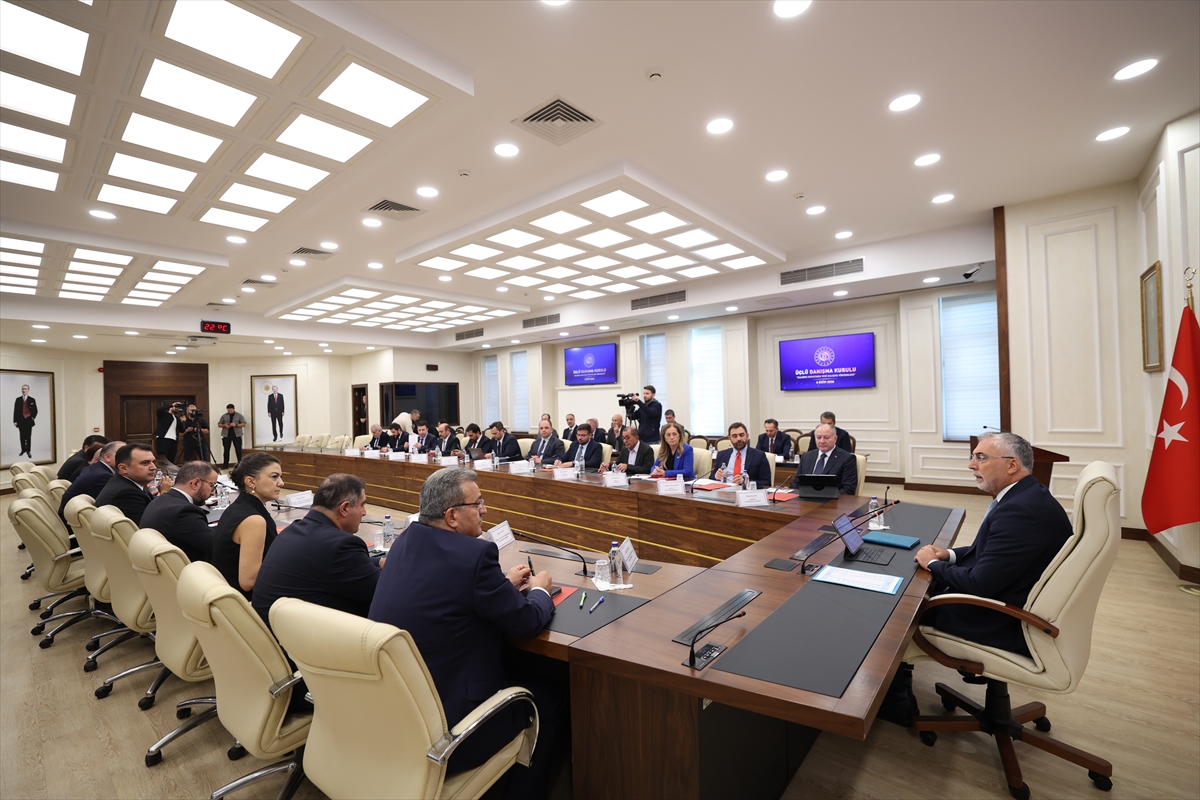
Işıkhan said they had introduced new policy tools to reduce unemployment further, adding that they particularly aimed to bring groups facing difficulties entering working life into the labour market.
Işıkhan said the Central Bank's 2025 3rd Inflation Report highlighted that the potential labour force comprised different demographic groups and that policies designed around these groups' needs could increase the participation rate.
Citing İş Pozitif, which supports women's employment, and the Gençliğin Üretim Çağı program aimed at youth employment, Işıkhan said they would continue policies targeting all workers through active labour market services. Işıkhan said their aim was not to create a single work model, but to build a more inclusive working life that responds to the changing needs of workers and businesses while protecting rights and safeguards.
Models in European countries are being examined
Işıkhan said work on new working models was aligned with the objectives of the Medium-Term Program, adding that policies promoting work-life balance and increasing the participation of women and young people in the labour force were envisaged.
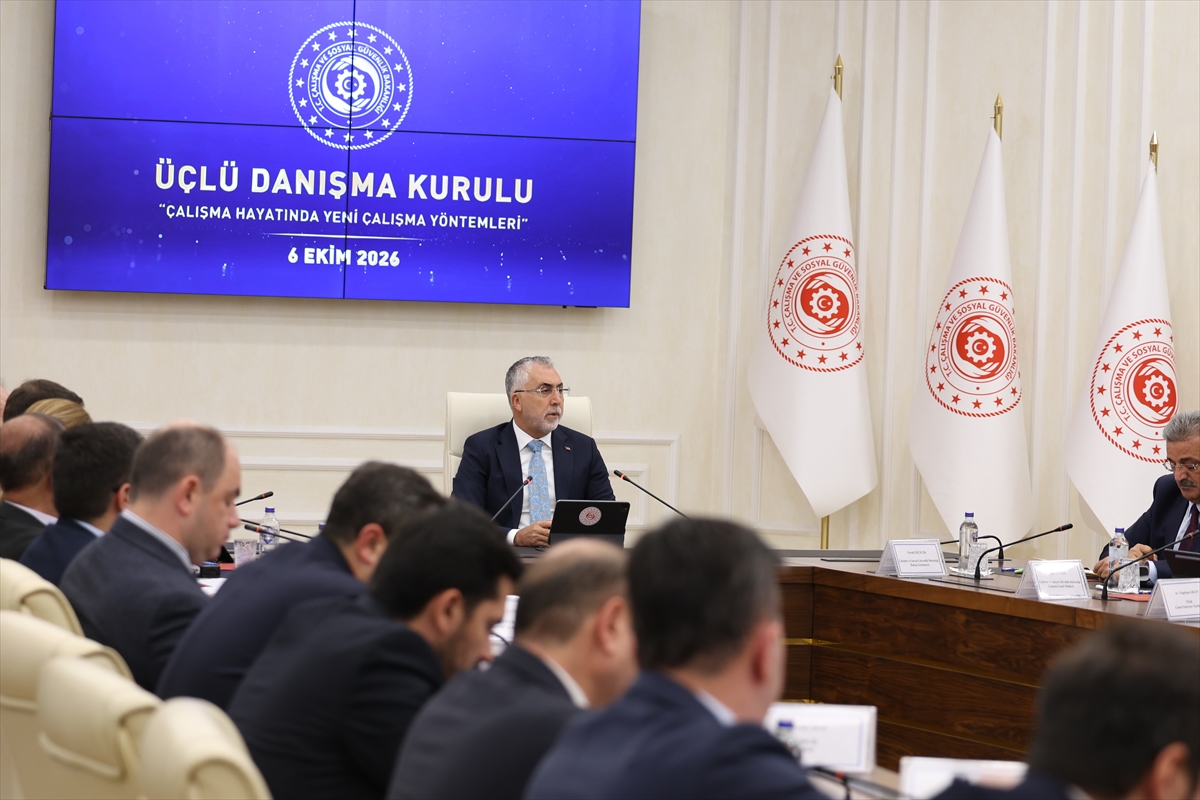
Işıkhan said the labour market could not be assessed solely through the unemployment rate, stressing the need to better monitor the quality of the labour force, the potential labour force and the situation of different demographic groups. He said international practices were being taken into account in preparing regulations, with particular attention being paid to working models in European countries.
Işıkhan said they aimed to create a balanced framework between Türkiye's needs and international practices. He said they expected different views and criticisms to be presented at the meeting, adding that these contributions would help improve the work.
Regulations are to be made more practical
Emphasizing that adapting to changing conditions for employers and protecting workers' rights and safeguards were not alternatives to one another, Işıkhan said they aimed to make regulations clearer, more predictable and more practical in certain areas, in line with the current needs of working life.
Işıkhan said a strong labour market was possible through an approach that protects rights, increases employment, supports productivity and competitiveness, and strengthens social dialogue.
Officials from the Ministry of Labour and Social Security attended the meeting, along with representatives of TÜRK-İŞ, HAK-İŞ and DİSK representing workers, and TİSK representatives representing employers.
















