- BIST10012,200-0.41%
- USD49.37+0.07%
- EUR55.21+0.01%
- GOLD4,166.40-0.26%
- INTEREST37.00%-1.00
- BITCOIN83,315+0.27%
- October 14, 202618°
- BIST10012,200-0.41%
- USD49.37+0.07%
- EUR55.21+0.01%
- GOLD4,166.40-0.26%
- INTEREST37.00%-1.00
- BITCOIN83,315+0.27%
- October 14, 202618°
Turkish business leaders urge Meloni to revive Türkiye’s EU accession process
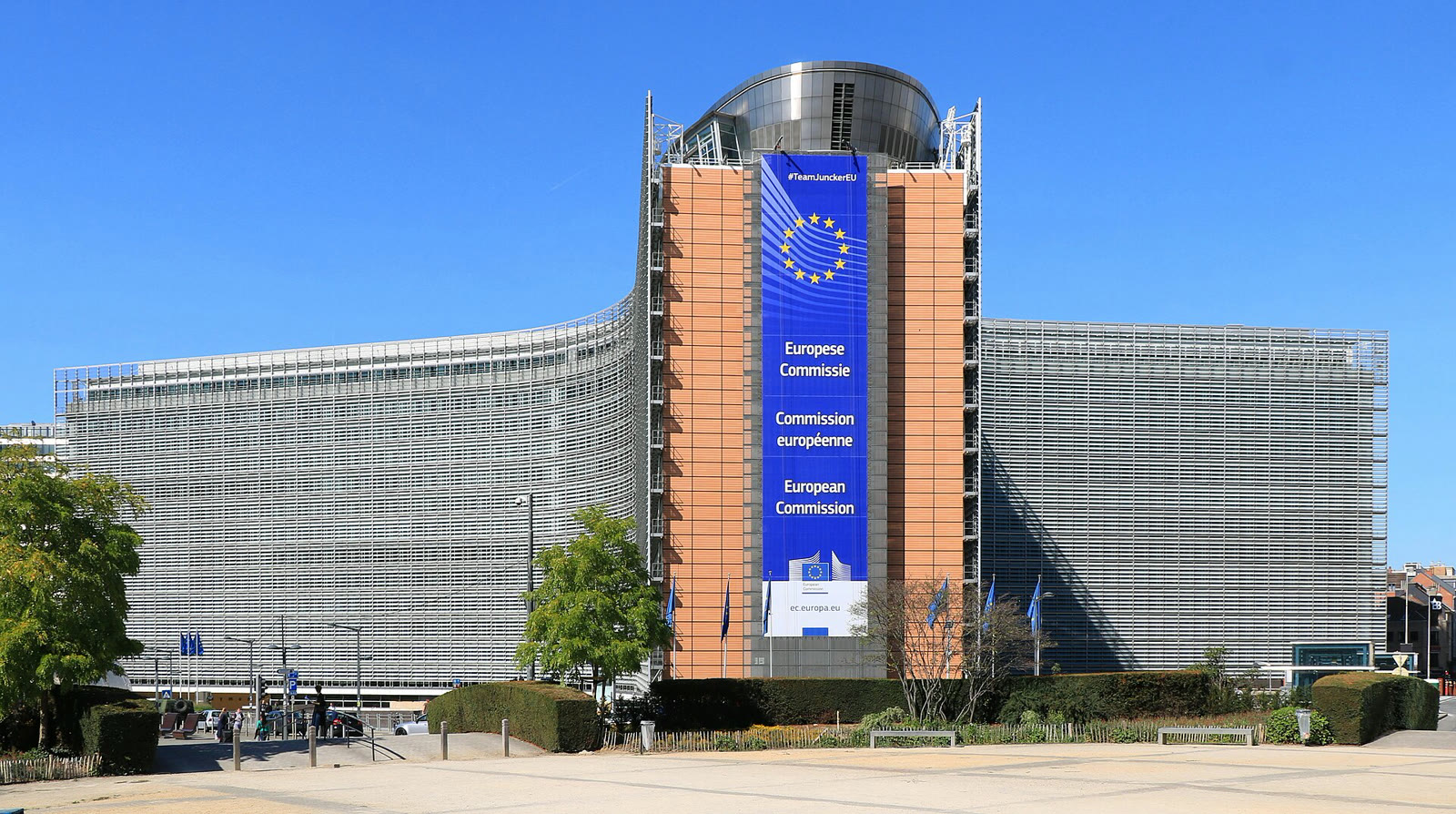
Turkish business leaders called on Italian Prime Minister Giorgia Meloni to reassess the approach to Türkiye’s accession process to the European Union in an open letter. The letter urged the EU to offer Türkiye a clear membership perspective and deepen economic integration between the EU and Türkiye.


Turkish business leaders called in an open letter to Italian Prime Minister Giorgia Meloni for the approach to Türkiye’s accession process to the European Union to be reconsidered.
The letter said that the approach slowing Türkiye’s EU membership process should be reviewed and that the country should be offered a clear membership perspective.
26 business councils signed the letter
Those who signed the open letter included Nail Olpak, president of the Foreign Economic Relations Board; Mehmet Ali Yalçındağ, president of the Türkiye-Europe Business Council; and Lale Cander, president of the Türkiye-Italy Business Council.
The presidents of 26 business councils between Türkiye and EU member states said Europe had entered a period in which its economic competitiveness, technological capacity and security could not be assessed separately.
The letter noted that geopolitical instability, rapid advances in artificial intelligence and advanced technologies, the energy transition and the changing global economic order were reshaping Europe’s priorities, vulnerabilities and room for maneuver.
Emphasis on integration with Türkiye
It said that the Turkish business community remained committed to European values and determined to contribute to the strength and global competitiveness of the European economy. It added that Turkish companies and entrepreneurs had been part of Europe’s value chains, industrial ecosystems and innovation networks for decades.
The letter said that growing social problems, demographic changes and ongoing geopolitical instability were affecting Europe’s security environment, arguing that deepening integration with Türkiye could be an important element of the European Union’s response to the challenges it faces.
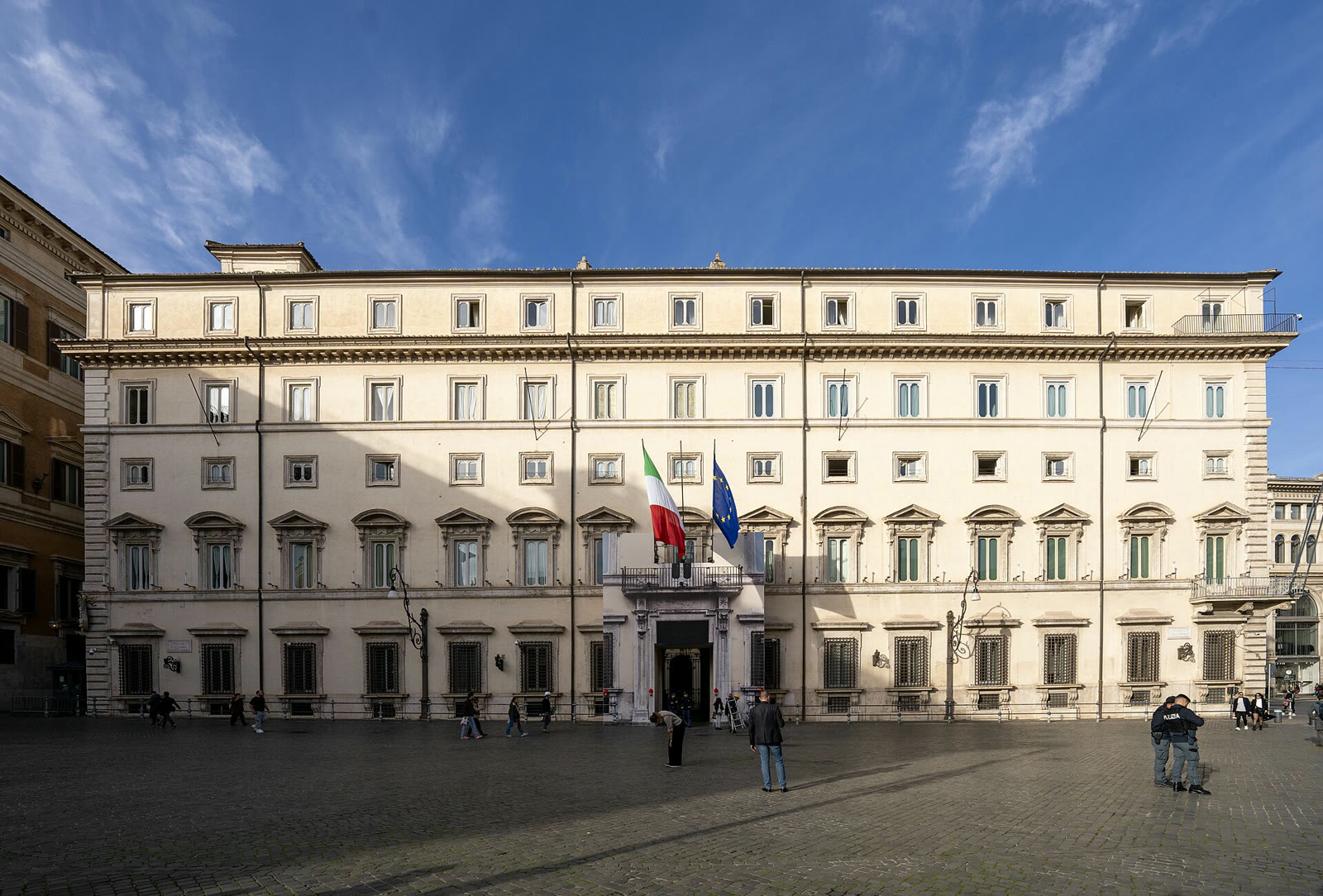
Business representatives said that overcoming the stagnation in Türkiye’s EU accession process had become more urgent because of global instability and called for a clearer roadmap to be prepared.
The letter said that offering Türkiye an open and unequivocal membership perspective would confirm the strong mutual interdependence between Türkiye and the future of the European Union and help restore strategic clarity and mutual trust.
The letter also drew attention to Türkiye’s potential for full integration into economic security and the European Union’s defence architecture, stating that updating the existing customs union between the EU and Türkiye would strengthen Europe’s competitiveness in a geopolitically fragmented world.
Stay Updated with The Turkiye Times
Subscribe to be informed about special news, developments and announcements. We will keep you informed.
By signing up, you agree to our Privacy Policy