- BIST10012,151-0.94%
- USD49.220.00%
- EUR55.21+0.28%
- GOLD4,192.30-0.57%
- INTEREST37.00%-1.00
- BITCOIN82,747-1.11%
- October 12, 202619°
- BIST10012,151-0.94%
- USD49.220.00%
- EUR55.21+0.28%
- GOLD4,192.30-0.57%
- INTEREST37.00%-1.00
- BITCOIN82,747-1.11%
- October 12, 202619°
Türkiye’s energy storage sector targets 5 gigawatt-hours next year
Speaking at a press conference on the energy storage sector, Bayram announced that this year’s target of 1 gigawatt-hour had been achieved and that the sector was targeting 5 gigawatt-hours of capacity next year. Sector representatives said access to affordable financing was critical to accelerating investments.


Türkiye’s energy storage sector is targeting 5 gigawatt-hours of capacity next year. Speaking at a press conference on the sector’s agenda and investment expectations, Bayram said the 1-gigawatt-hour target set for this year had been achieved.
Bayram said affordable financing was needed to raise next year’s target further and accelerate investments. Bayram stated that revenue models for storage investments had begun to gain traction in the market as the first facilities came online, increasing the interest of banks and financial institutions.
Financing expectations for storage investments
Bayram said energy storage systems were important for making more efficient use of renewable resources. Bayram noted that unless electricity generated from sources such as solar and wind was stored, the efficient use of these resources would remain limited, adding that fossil fuels represented a significant item in energy imports.
Bayram said storage could also generate revenue as an investment independent of renewable power plants, adding that such projects had the capacity to repay their costs. Bayram said international financial circles regarded storage investments as projects eligible for financing.
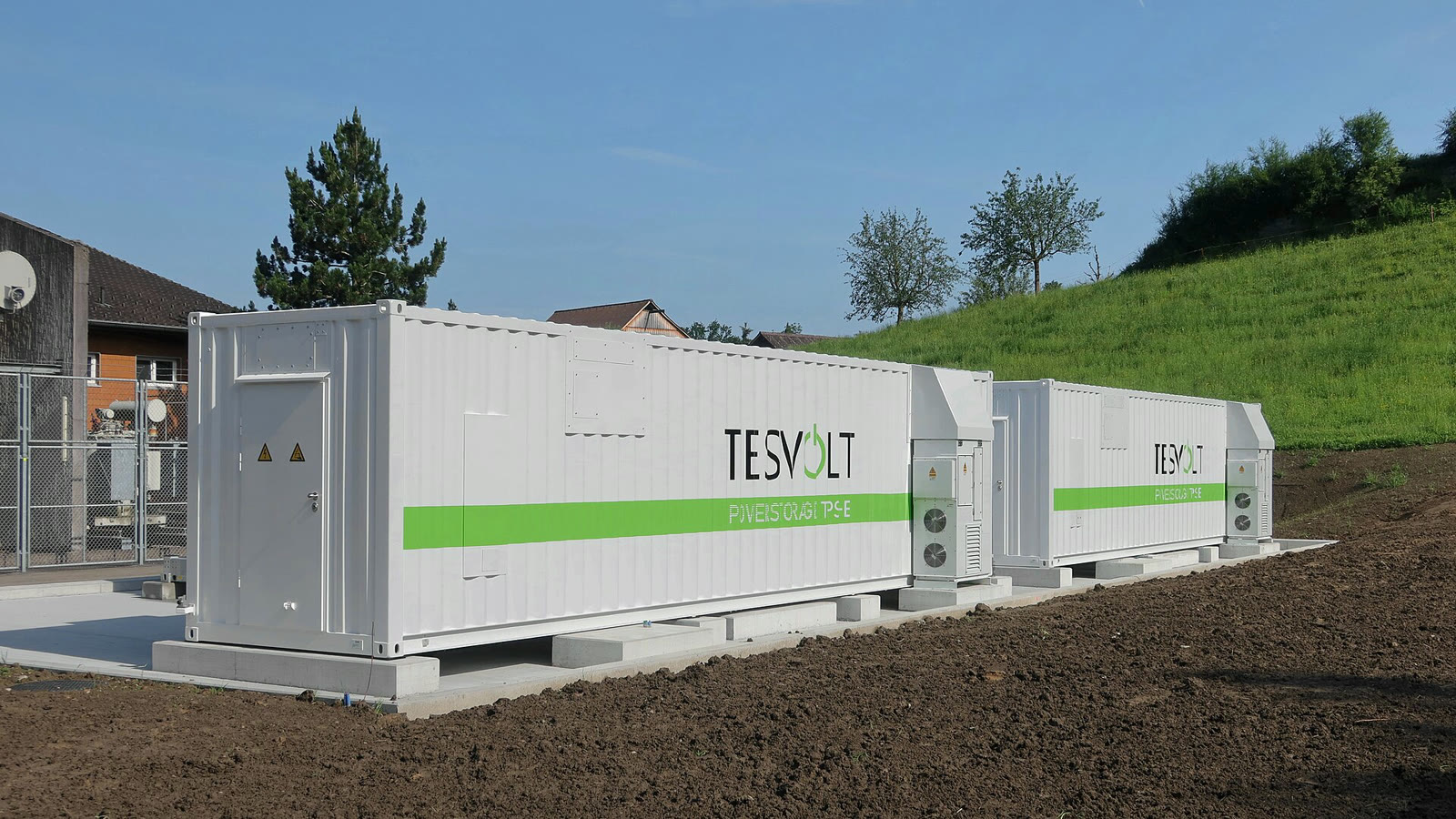
Financing models will also be discussed at the 3rd Future of Energy and Storage Congress, which the association will hold in Ankara on December 8. Bayram said demonstrating these models in the market could lower financing costs and pave the way for new investments.
Rising electricity demand puts storage in the spotlight
Bayram said the growing use of electric vehicles and the rising number of data centers serving artificial intelligence applications were increasing electricity demand, making it more important to balance electricity where it was generated and consumed.
Bayram said software and control systems, as well as storage systems, were needed to enable different energy sources to operate efficiently together. Bayram noted that making generation more distributed and developing regional control capabilities could reduce the need for transmission lines.
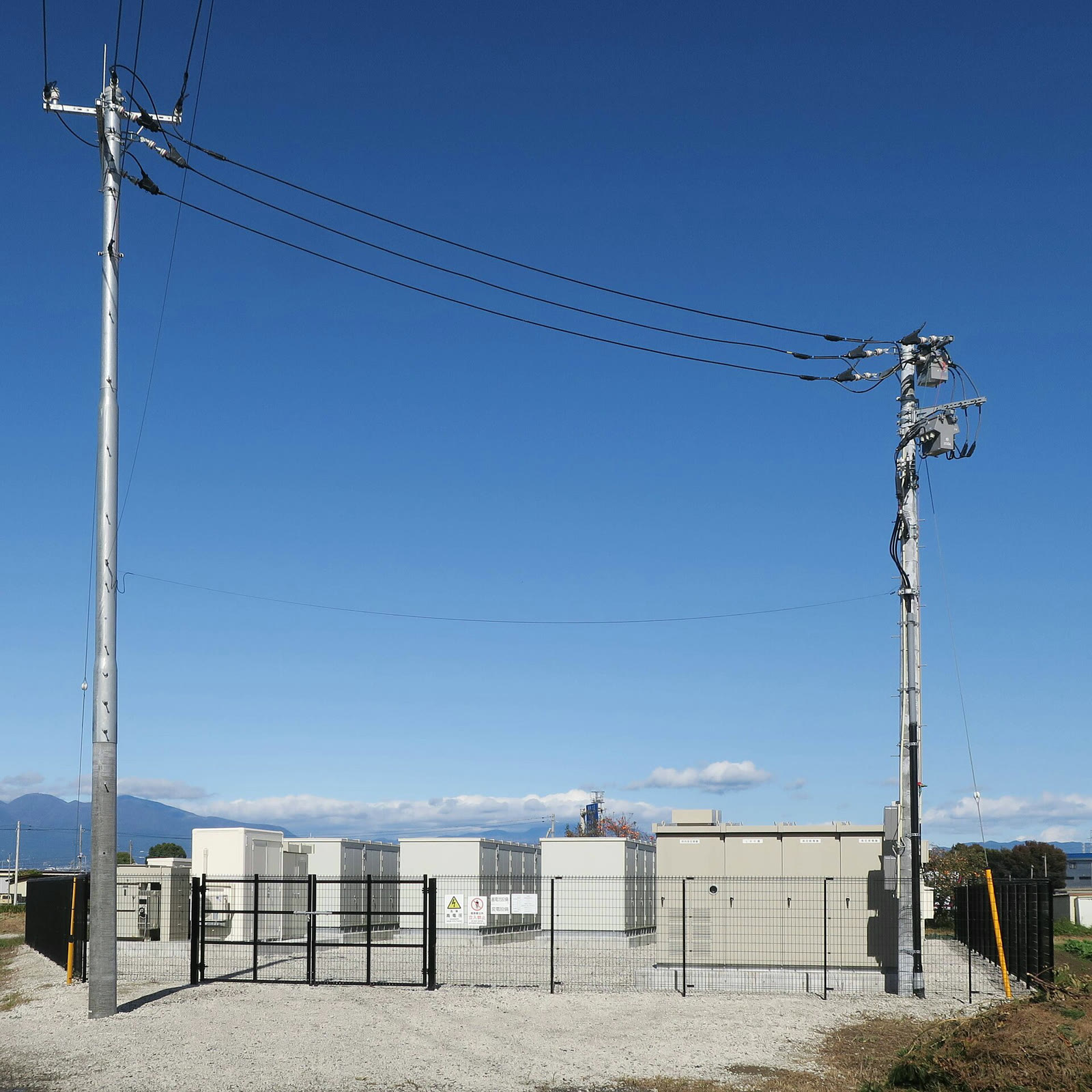
Bayram said energy storage systems were also important for balancing the electricity grid and ensuring security of supply. Bayram said manufacturers in Türkiye had brought their factories online and that new investments were continuing.
Domestic production and export target
Assessing domestic production capabilities, Bayram said all equipment used in energy storage systems except cells could be produced in Türkiye, including software.
Ramazan Kaya, deputy chairman of EDEDER, announced that 33,500 megawatts of capacity had been allocated for projects with storage in Türkiye. Kaya said storage had become an integral part of solar and wind power plants, adding that they expected new investments to receive a larger share of green financing.
Kaya said production and export capabilities had improved in software, battery packaging and inverters, adding that they were holding talks with the Ministry of Trade to increase exports and expand the sector’s production base. Kaya said they aimed to make Türkiye the region’s battery production hub and develop exports of energy storage systems.
Stay Updated with The Turkiye Times
Subscribe to be informed about special news, developments and announcements. We will keep you informed.
By signing up, you agree to our Privacy Policy














