- BIST10011,693-3.12%
- USD49.42+0.06%
- EUR55.41+0.20%
- GOLD4,195.60+0.61%
- INTEREST37.00%-1.00
- BITCOIN82,724+0.72%
- October 16, 202614°
- BIST10011,693-3.12%
- USD49.42+0.06%
- EUR55.41+0.20%
- GOLD4,195.60+0.61%
- INTEREST37.00%-1.00
- BITCOIN82,724+0.72%
- October 16, 202614°
Türkiye's textile exports surpassed $7.16 billion in nine months
Türkiye's textile exports reached $7 billion 161 million 917 thousand in January-September 2026. During this period, sales to European Union countries totaled $2 billion 687 million 127 thousand, while sales to African countries amounted to $1 billion 171 million 48 thousand.


Türkiye's textile exports reached $7 billion 161 million 917 thousand in the January-September period of 2026. A total of 1 million 843 thousand 160 tons of textile products were exported during the nine-month period.
European Union countries accounted for the largest share of exports, with $2 billion 687 million 127 thousand. Textile exports to African countries rose by 7.8 percent compared with the same period last year, reaching $1 billion 171 million 48 thousand.
Italy ranked first
Italy was the largest buyer of Türkiye's textile products by country. Exports to Italy totaled $562 million 662 thousand.
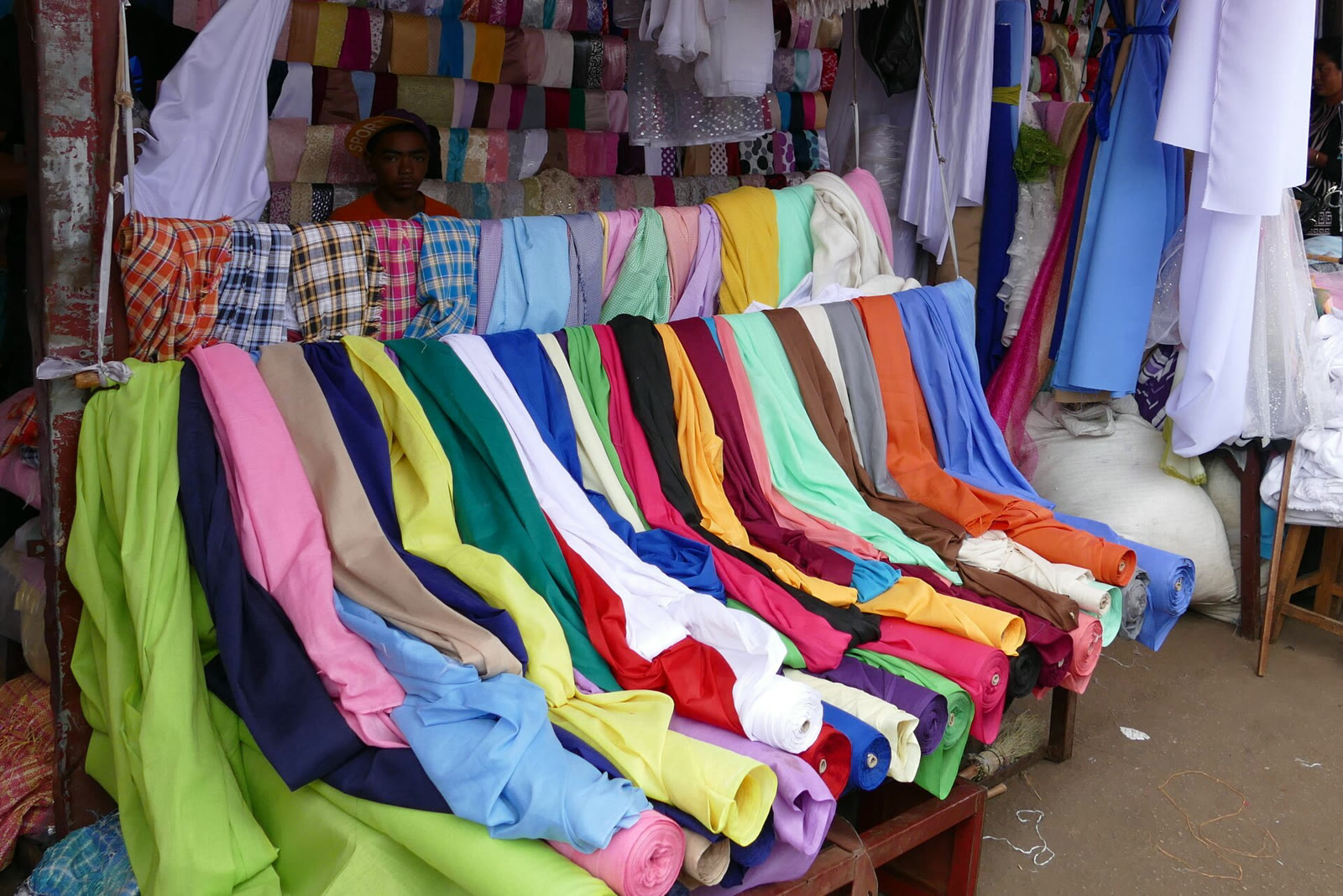
Egypt ranked second, with exports totaling $463 million 901 thousand. Sales to Egypt increased by 13 percent compared with the same period last year.
The United States ranked third, with exports worth $451 million 683 thousand. Textile exports to the U.S. increased by 18.2 percent.
Fabric exports led the way
Fabric exports ranked first among product groups, totaling $4 billion 350 million 93 thousand. Fabric was followed by yarn, at $1 billion 868 million 853 thousand, and fiber, at $942 million 941 thousand.
Industry turns to alternative markets
Ahmet Öksüz, vice president of the Türkiye Exporters Assembly and representative of the Textile and Raw Materials Sector affiliated with the assembly's sector board, said export figures should be assessed alongside developments in the global economy and the conditions facing the sector.
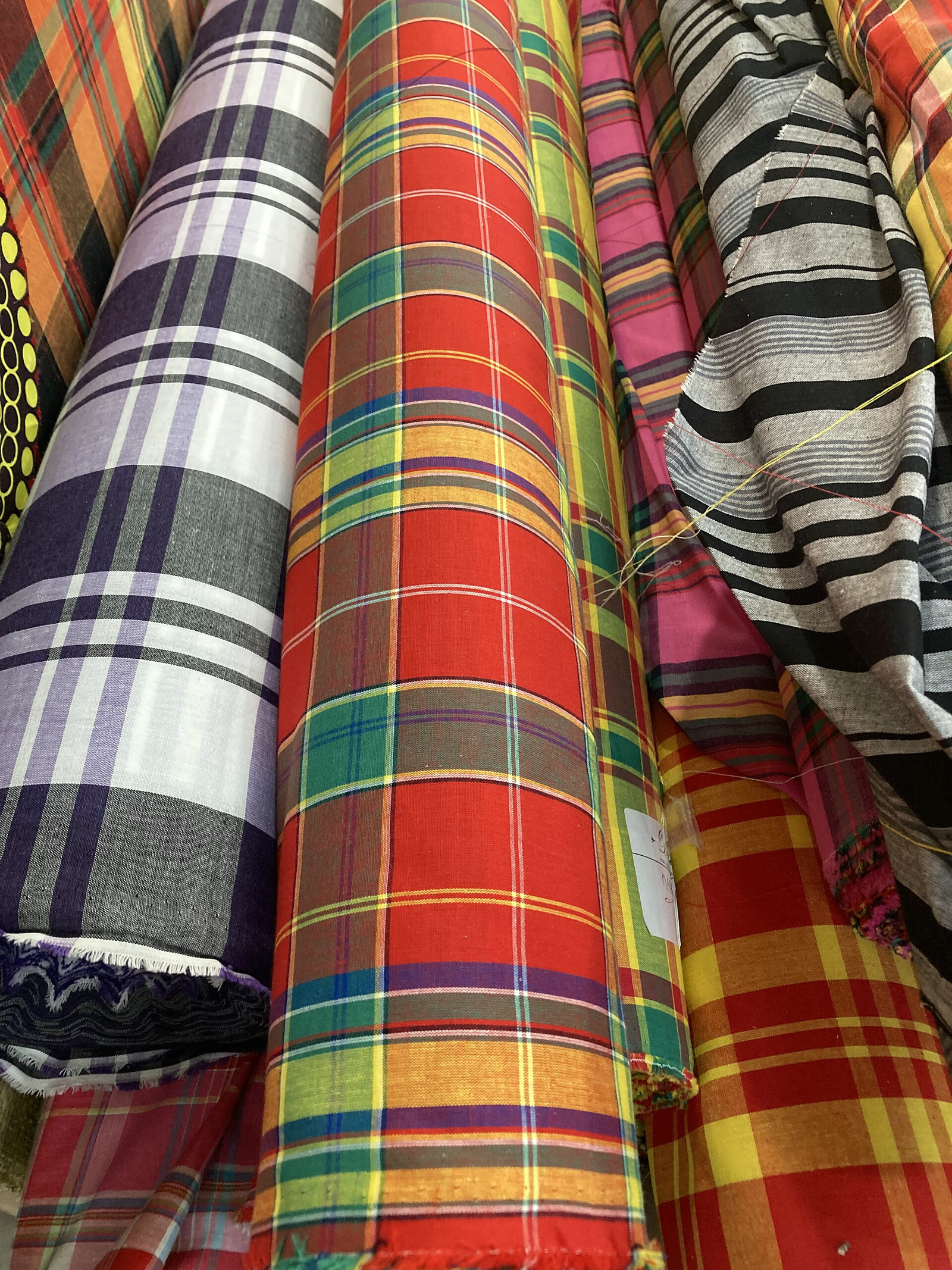
Öksüz said the textile sector had maintained its important position in global textile trade thanks to its integrated production structure, product quality, rapid delivery capacity and strong supply chains.
Öksüz said the sector needed to strengthen its position in Europe and make more effective use of opportunities in alternative markets, particularly the United States. He added that exports could gain strong momentum in the remainder of 2026 and in 2027 if global demand gradually recovered and inflationary pressures in strategic markets for Türkiye eased.
Öksüz said the fundamental goal was not only to increase export value, but also to raise Türkiye's share of global textile trade and the added value of its exports.
Stay Updated with The Turkiye Times
Subscribe to be informed about special news, developments and announcements. We will keep you informed.
By signing up, you agree to our Privacy Policy