- BIST10012,151-0.94%
- USD49.220.00%
- EUR55.21+0.28%
- GOLD4,190.90-0.60%
- INTEREST37.00%-1.00
- BITCOIN82,317-1.62%
- October 12, 202619°
- BIST10012,151-0.94%
- USD49.220.00%
- EUR55.21+0.28%
- GOLD4,190.90-0.60%
- INTEREST37.00%-1.00
- BITCOIN82,317-1.62%
- October 12, 202619°



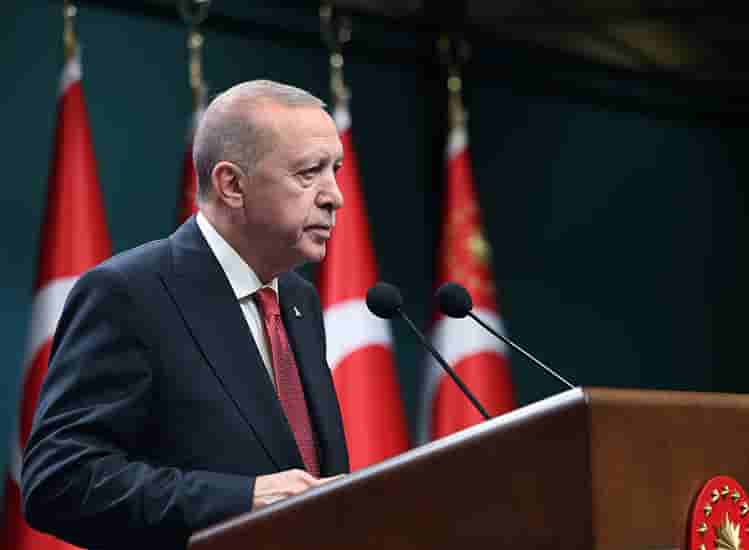

Parliament Speaker Numan Kurtulmuş to Ortadoğu Analiz: Terror-Free Türkiye, a terror-free region and the Türkiye model
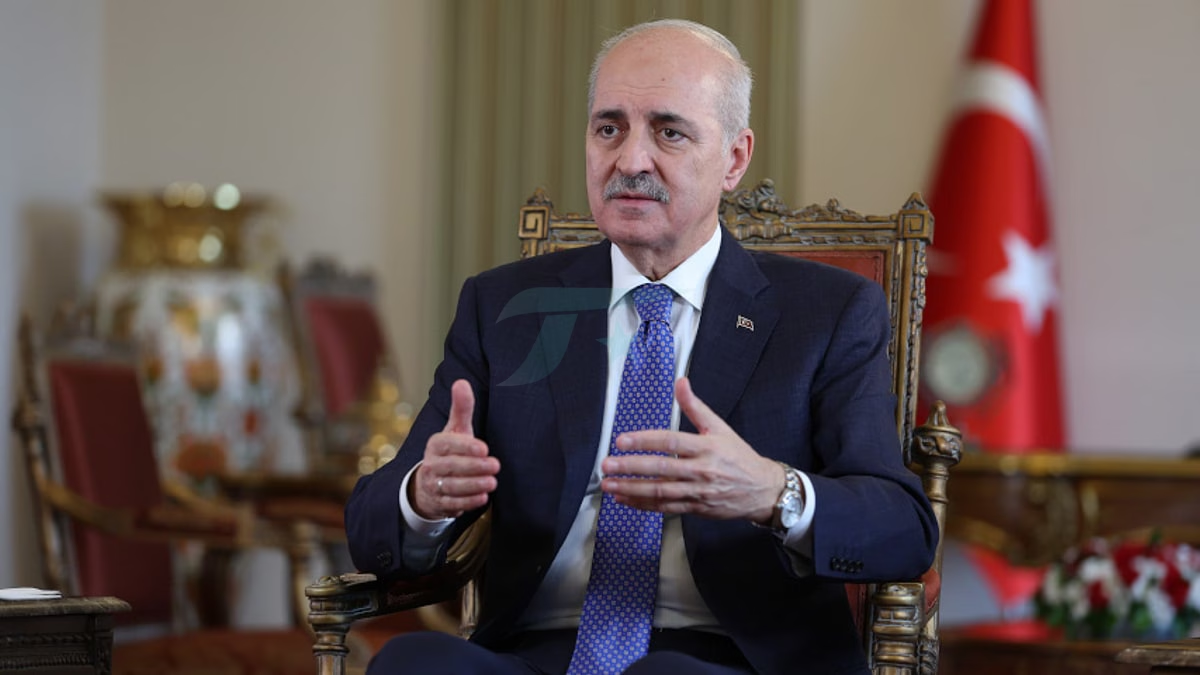
Speaker of the Grand National Assembly of Türkiye Numan Kurtulmuş, in an interview with ORSAM’s journal Ortadoğu Analiz for its September–October 2026 issue, discussed parliament’s role in the Terror-Free Türkiye process, the “Terror-Free Region” vision, what the “Türkiye model” means for Syria and Iraq, the thresholds that must be crossed for the process to become permanent, and the legacy this period will leave in the history of the Republic.
“Parliament has three responsibilities in the new phase”
As chairman of the National Solidarity, Brotherhood and Democracy Commission, what does it mean to you that the Grand National Assembly of Türkiye is at the centre of the “Terror-Free Türkiye” process? Does parliament’s involvement strengthen the political and social legitimacy of the process, unlike previous attempts at a solution? What responsibilities fall on parliament from now on?
The work carried out in the Grand National Assembly of Türkiye means that the issue is not solely a security matter and that the process is being advanced under the open oversight of the national will.
The meetings of the National Solidarity, Brotherhood and Democracy Commission, which began on August 5, 2025, brought different political views and segments of society together around the same table over 21 sessions. No one who spoke at the commission meetings was cut short, suffering was not turned into a competition, and all ideas, recommendations and reservations were carefully recorded.
The commission report, adopted by broad consensus on February 18, 2026, and the Law on Strengthening National Solidarity and Social Integration, which won the support of 467 lawmakers on August 10, 2026, represent a strong public demand turning into parliamentary will.
What essentially distinguishes this process from previous attempts at a solution is that almost all of the parties in parliament have taken part in every stage of it. In this way, the nation’s political ownership has been secured through the parties. All views have become visible under the roof of national sovereignty. The voice of citizens who expressed concerns has also been considered as part of the nation’s will.
The commission’s work, the preparation of the report and the adoption of the law are all of historic importance in showing the strength and democratic influence of the Grand National Assembly of Türkiye. Moreover, unlike most conflict resolution cases around the world, there was no need for an external “third eye”; the strength of parliament was used as a national asset.
Parliament has three responsibilities in the new phase. The first is to follow the implementation of the law through the Monitoring Commission to be established. The second is to monitor, within the bounds of the law, the findings of the security institutions on the dissolution and disarmament of the terrorist organisation, as well as the executive’s case-by-case decisions. The third is to work to address, through consensus, any new legal arrangements that may be needed.
The law has opened the door. Fair implementation, judicial guarantees and political courtesy will secure a lasting outcome. The duty of parliament is to institutionalise a shared life that protects the pride of the Turk and the honour of the Kurd under the same law.
“Our region has long been the target of attempts to fragment it along sectarian divides and ethnic fault lines”
The process that began as “Terror-Free Türkiye” quickly turned into a “Terror-Free Region” vision. What does this vision mean to you, and what critical steps must be taken together with the countries and actors of the region to achieve this goal?
The Terror-Free Region vision also expresses that the peace and tranquillity achieved in Türkiye will not be confined to our borders. Our region has long been the target of attempts to fragment it along sectarian divides and ethnic fault lines. The Israeli government’s genocide in Gaza and its aggression against the surrounding countries further increase the importance of fortifying our internal front. As Türkiye strengthens the bonds of brotherhood in unity and solidarity, it will become a more effective centre against the fragmentation projects being implemented in our region.
The first critical step to be taken in our region is to stop treating non-state armed groups as legitimate political actors. The sovereignty and territorial integrity of Iraq, Iran, Syria and Lebanon and the equality of their citizens should be regarded as common principles. The second step is permanent regional cooperation in border security, intelligence sharing and cutting off illegal financing networks. The third step is to strengthen a basis for reconciliation that deepens political participation and guarantees local belonging within the constitutional order.
Security measures must be complemented by an economic and social framework. Trade routes, energy lines, water resources, migration management and reconstruction must cease to be arenas of competition and be tied to common interests.
The shared destiny of the peoples of the region runs much deeper than the conflict scenarios drawn up outside the region. The safety, well-being and future of Turks, Kurds, Arabs, Persians and all faith communities are bound to one another.
Our goal of a Terror-Free Region is based on the strengthening of sovereign states on the basis of justice, mutual respect and cooperation. Our goal of a Terror-Free Region is an effort to bring back together, unite and integrate the pieces scattered across our region, which the imperialists tore apart a century ago.
“The Türkiye model is not a ready-made recipe imported from abroad”
What are the core elements of the approach you describe as the “Türkiye model”? How could this experience serve as a model for resolving conflicts in the region, particularly in Syria and Iraq?
The Türkiye model is not a ready-made recipe imported from abroad. It reflects a politics of method rooted in our own historical heritage, our constitutional order and our collective conscience. If it succeeds, our country will offer an experience that does not settle for freezing conflict but removes the ground that produces it.
Its main elements are political determination, multi-party ownership, open negotiation, verifiable disarmament, legal certainty, judicial guarantees and parliamentary oversight. Being able to hear the cries of mothers who have lost their children in the conflict, while respecting the sensitivities of the families of martyrs and veterans, is the moral balance of the model.
The distinguishing feature of the approach is that it does not regard laying down arms as the ultimate goal in itself. Freed from the shadow of weapons, the space for politics will expand, the value of words in politics will rise, and citizens’ demands will find a response through democratic politics and civil society channels.
Without opening the fundamental characteristics of the state, its unitary structure and official language to debate, the bonds of citizenship will be strengthened. Security and freedom, survival and justice, public order and human dignity will not be regarded as rivals.
Our proposal for Syria and Iraq cannot be a carbon copy of the work in Türkiye. The historical and social conditions of the two countries are different. What can be transferred is the method. The dissolution of armed structures must be verified, political participation must be moved into legitimate institutions, the authority to use legitimate force must be concentrated in public authority, and diverse identities must be protected within equal citizenship. The negotiations must be owned by local actors, external tutelage must be limited, and implementation must remain open to independent legal oversight.
The critical thresholds to be crossed
What are the most critical thresholds that must now be crossed for the goal of a “Terror-Free Türkiye” and a “Terror-Free Region” to become a permanent, irreversible achievement rather than a temporary one?
The first threshold is for the authorised security units to establish, leaving no room for doubt, that the organisation has been dissolved with all its elements and that its weapons have been completely decommissioned. The legal process will not proceed without this determination.
The second threshold is the transparent continuation of implementation. A well-prepared, sound framework produces fair outcomes through transparency, equal treatment and effective oversight. Regular briefings to parliament by the Follow-up and Evaluation Board, the formation of a monitoring commission with broad political representation within the Grand National Assembly, and public access to accurate information will nourish confidence in the process.
The third threshold is mental and political transformation. Laying down the weapons in hand is not enough; the weapons in people’s minds must also be abandoned. From now on, first of all, the language used must be corrected; it must give ground neither to discrimination nor to separatism. Discriminatory and divisive language, chauvinistic notions of belonging and politics that turn suffering into vote calculations must be left behind. The possibility of provocation, sabotage and disinformation cannot be taken lightly. Our strongest safeguard against these is political language based on peace and brotherhood, commitment to the rule of law, institutional preparedness and a sense of responsibility.
The final threshold is for peace to be felt in daily life. Young people must gain access to education, technology, art and production opportunities, regional inequalities must be reduced, and investment and employment must increase permanently. The gains will become permanent in a system where no Kurdish young person ever again even considers taking up arms, no mother loses her child to conflict, and political ideas compete freely without weapons.
“The most important legacy I hope for is a political culture that can manage disagreement without turning it into hostility”
Finally, let us imagine looking back at today from ten years from now. If the process succeeds, how will it be remembered in the history of the Republic, and what is the most important legacy you hope it will leave for Türkiye?
Looking back in ten years, this period will be remembered as the turning point at which one of the heaviest problems inherited from the Republic’s first century was resolved by the will of the nation. The terrorist organisations that for about half a century took our lives, drained our resources and sought to sow discord among us will have been dissolved within the framework of law and democratic politics.
The essence of the legacy we will pass on is deeper than the terrorist organisation laying down its arms. The real legacy is the reason of the state and the conscience of the nation meeting in the same direction. Preventing new suffering while honouring the sacred memory of our martyrs, and hearing the voices of mothers who lost their children while respecting the sacrifices of our veterans, is a high level of political ethics.
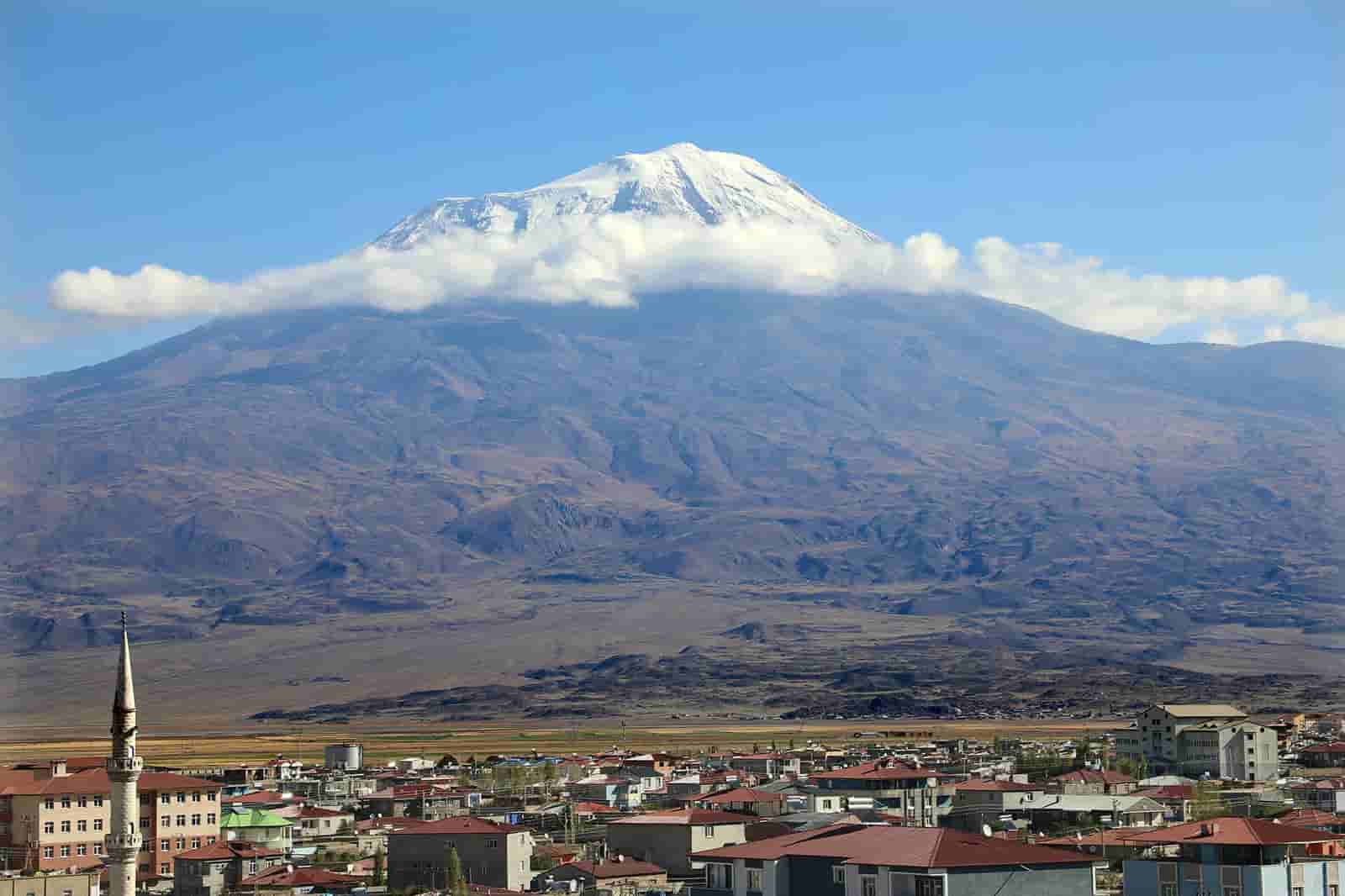
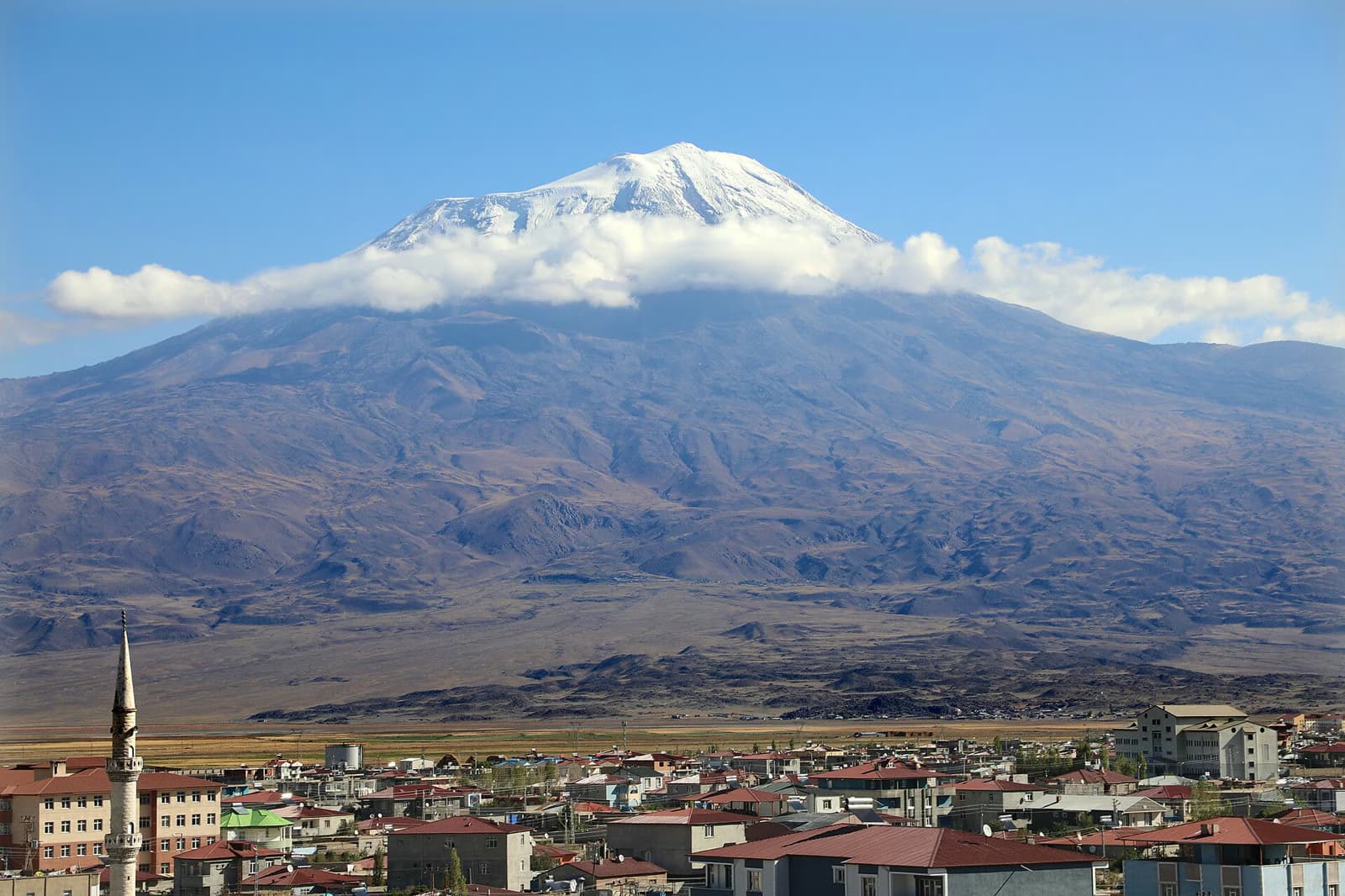
Türkiye, which has spent its resources on the fight against terrorism, will concentrate its energy on education, high technology, production, social welfare and regional development. For example, the recent oil extraction ceremony on Mount Gabar, which I was very pleased to attend, and the festivities commemorating the Prophet Noah on Mount Cudi, held with broad participation and in peace, already show the impact of the transformation we are going through on daily life. We are rapidly moving from years in which children grew up amid the sounds of conflict to a period in which they compete with their ideas and talents.
The most important legacy I hope for is the continuity of a political culture that can manage disagreement without turning it into hostility. I believe that our Gazi Assembly will continue to prove that differences can be bound to a common law without becoming a cause of conflict. The Republic’s second century will rise as a century that moves brotherhood beyond mere aspiration and entrusts it to institutions, justice and equal citizenship.
Featured Listings
Sponsored
Similar Interviews


Foreign Minister Hakan Fidan on NTV: the Mecca Alliance, Gaza, the Black Sea and the S-400s
NTV
- 9/23/2026


Defence Minister Yaşar Güler to Global Business Press: 2035 goals, KAAN and Türkiye–Azerbaijan defence cooperation
Global Business Press
- 10/4/2026


Justice Minister Akın Gürlek to Sabah: assets seized in the investment fund probe will go to victims
Abdurrahman Şimşek (Sabah)
- 10/4/2026
Featured News


Job Listings
Stay Updated with The Turkiye Times
Subscribe to be informed about special news, developments and announcements. We will keep you informed.
By signing up, you agree to our Privacy Policy











