- BIST10012,070-0.40%
- USD49.39+0.05%
- EUR55.30+0.16%
- GOLD4,195.20+2.13%
- INTEREST37.00%-1.00
- BITCOIN82,294+0.88%
- October 15, 202613°
- BIST10012,070-0.40%
- USD49.39+0.05%
- EUR55.30+0.16%
- GOLD4,195.20+2.13%
- INTEREST37.00%-1.00
- BITCOIN82,294+0.88%
- October 15, 202613°
Airbus forecasts 1,800 new passenger aircraft for Türkiye over 20 years
According to Airbus’ global market forecast announced in Istanbul, air traffic in Europe and the Commonwealth of Independent States is expected to grow by 2.9 percent annually over the next 20 years. The region is projected to need 8,190 new passenger aircraft, while the number of annual flights per passenger in Türkiye is expected to reach 3.1.


Airbus’ Global Market Forecast report, presented at a press conference in Istanbul, outlined projections for air transport in Europe, the Commonwealth of Independent States (CIS) and Türkiye.
The meeting was attended by Airbus Türkiye President Simon Ward, Airbus Vice President of Sales for Eastern Europe and Central Asia Charbel Youzkatli, and Airbus Head of Market Analysis and Forecasting Antonio da Costa.
Europe and CIS projected to need 8,190 aircraft
According to the report, air traffic in Europe and the CIS region is expected to grow at a compound annual rate of 2.9 percent over the next 20 years. As a result of this growth, the region is projected to need a total of 8,190 new passenger aircraft, including 6,690 single-aisle and 1,500 wide-body aircraft.
Of these aircraft, 3,600 are expected to meet the growth in air traffic, while 4,590 will replace older, less efficient aircraft leaving the fleet. The report also notes that the rate at which aging aircraft are being retired from fleets is increasing.
Türkiye expected to see a threefold increase in flights per passenger
Türkiye is projected to need 1,800 passenger aircraft, accounting for 20 percent of the region’s need for new aircraft. The number of annual flights per passenger in Türkiye is expected to triple over the next 20 years, reaching 3.1.
This level is expected to exceed the regional average of 2.4 flights. Türkiye’s location within a four-hour flight of the capitals of more than 60 countries gives the country an advantage in demand for short-, medium- and ultra-long-haul connections.
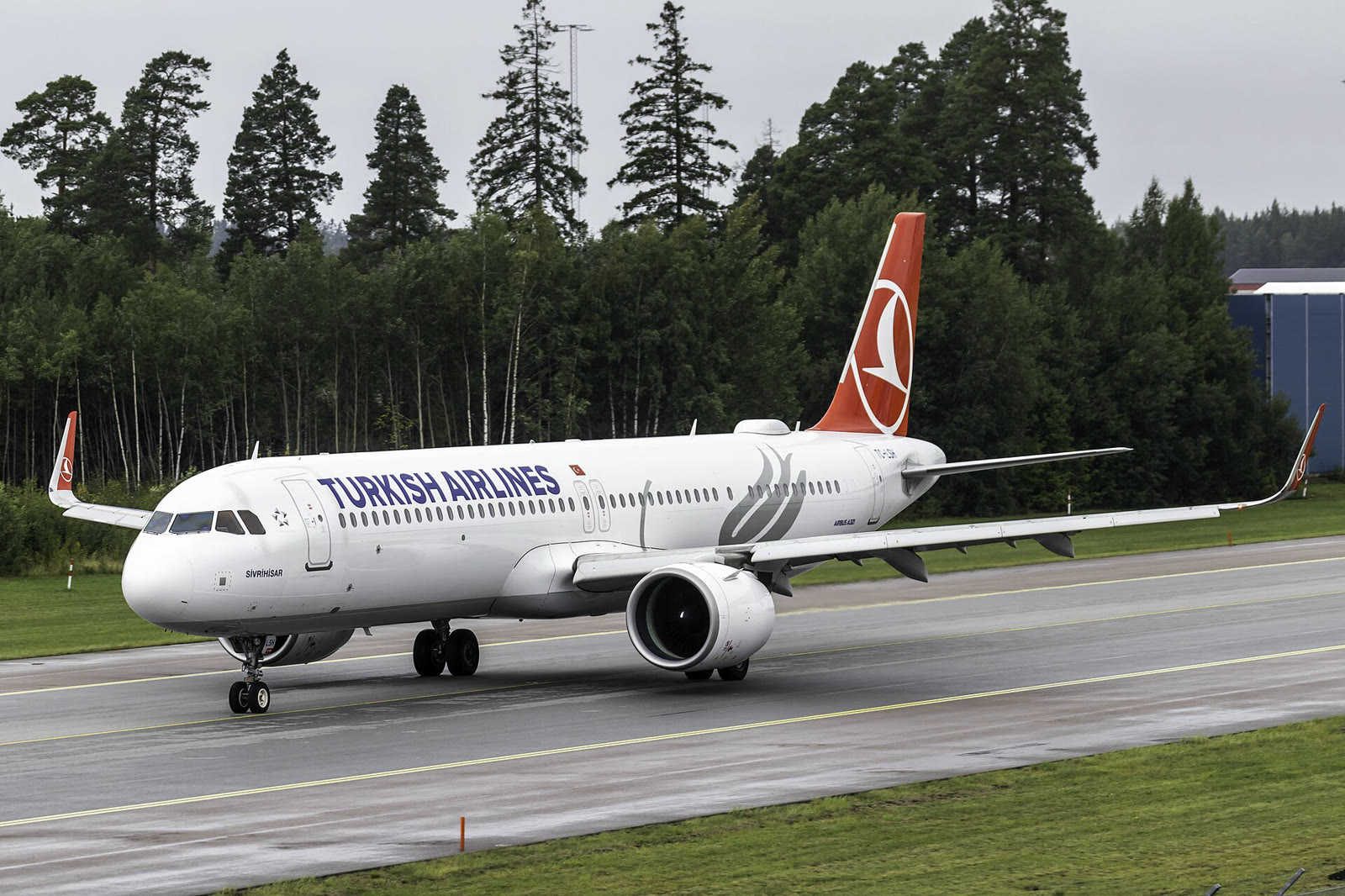
The report assesses that large-scale investments in high-tech facilities have made Türkiye one of the global hubs for cross-border e-commerce and air cargo.
Share of next-generation aircraft to reach 82 percent
The share of next-generation aircraft in the Europe and CIS fleet is expected to rise from 36 percent in 2025 to 82 percent by 2035. This transformation is projected to deliver gains in fuel efficiency and operational performance while reducing emissions.
Airbus’ forecasts also identify Spain, Italy and Poland as fast-growing markets, owing to their tourism potential and strategic locations between the East and West. The CIS’s young and growing population, together with rising prosperity, is expected to increase demand for air transport, while the region is projected to become an alternative connecting hub between Europe and Asia.
Middle class and travel trends drive growth
According to the report, the middle-class population with a high propensity to travel by air is expected to grow by 20 million to reach 790 million. The annual travel rate is also projected to increase from 1.4 flights per person to 2.4, nearly doubling.
Antonio da Costa said that Europe and the CIS remain near the top of the list, just behind China, in terms of the number of new passenger aircraft they will need, despite ongoing geopolitical tensions, the delayed effects of interest-rate increases and high energy costs.
Da Costa said strategic locations and growing tourism were supporting the emergence of new hubs, adding that the expansion and modernization of airline fleets were supporting the transition to more efficient and sustainable air transport.
Source: Anadolu Ajansı
Spotted an error in this story?Report it on WhatsApp
Share on all social platforms
Sponsored Ads
Featured Listings
Loading featured properties...
Stay Updated with The Turkiye Times
Subscribe to be informed about special news, developments and announcements. We will keep you informed.
By signing up, you agree to our Privacy Policy














