- BIST10011,430-2.49%
- USD49.45+0.05%
- EUR55.62+0.37%
- GOLD4,161.50-0.47%
- INTEREST37.00%-1.00
- BITCOIN81,825-0.23%
- October 19, 202617°
- BIST10011,430-2.49%
- USD49.45+0.05%
- EUR55.62+0.37%
- GOLD4,161.50-0.47%
- INTEREST37.00%-1.00
- BITCOIN81,825-0.23%
- October 19, 202617°
Airbus official says Istanbul will grow further as a global air hub
Antonio Da Costa, Airbus vice president for Market Analysis and Forecasting, said Istanbul would become a more important hub for international air traffic. Da Costa said Türkiye's airline market would need approximately 1.


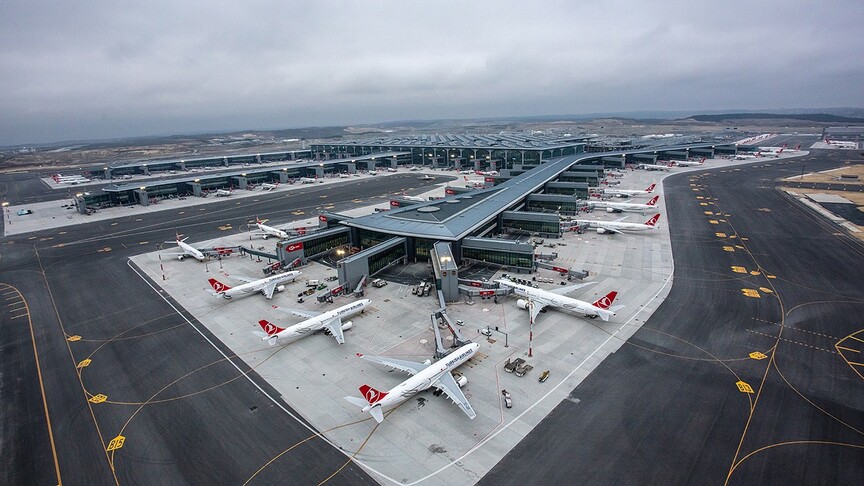
Antonio Da Costa, Airbus vice president for Market Analysis and Forecasting, said they expect Istanbul to become a more important hub for international air traffic in the coming period.
Da Costa said global aviation is affected by political and geographical developments, adding that Istanbul's current growth performance is an important indicator for the period ahead. Noting that Istanbul is already a major hub, Da Costa said the city's role in air transport would become even stronger.
Growth expected in Türkiye's airline market
Da Costa said Türkiye has strong growth potential in air transport and that the country's aircraft fleet is expected to more than double over the next 20 years. He said approximately 1. 800 aircraft would be needed for Türkiye's overall airline market.
Da Costa said they also foresee a significant increase in passenger numbers and air traffic over the next 20 years. He said passenger numbers and traffic could more than double, or even triple, adding that they expect strong growth in connecting-flight traffic and in the number of tourists arriving in or departing from Türkiye.
Airbus increases production volume in Türkiye
Airbus Türkiye President Simon Ward said Türkiye's aerospace industry had recorded significant growth over the past 20 years. Saying he had worked in Türkiye for 20 years, Ward said the sector had undergone a comprehensive transformation during that period.
Ward said that when he first came to Türkiye, there were limited offset contracts for the production of small metal aircraft parts. He said Türkiye's aerospace industry now carries out much larger-scale production for Airbus and that the production capacity of facilities used in Airbus assembly has increased.
Ward said Airbus's annual spending in Türkiye was around 35 million dollars in its early period but had now reached 750 million dollars. He said the amount continued to increase, adding that they were doing more and more business in Türkiye.
Türkiye-Europe cooperation and HÜRJET
Assessing the prospects for Türkiye's aviation industry over the next 5-6 years, Ward said 20-year forecasts were difficult because of the country's dynamic structure. He said he believed industrial cooperation between Türkiye and Europe would strengthen further in the coming years.
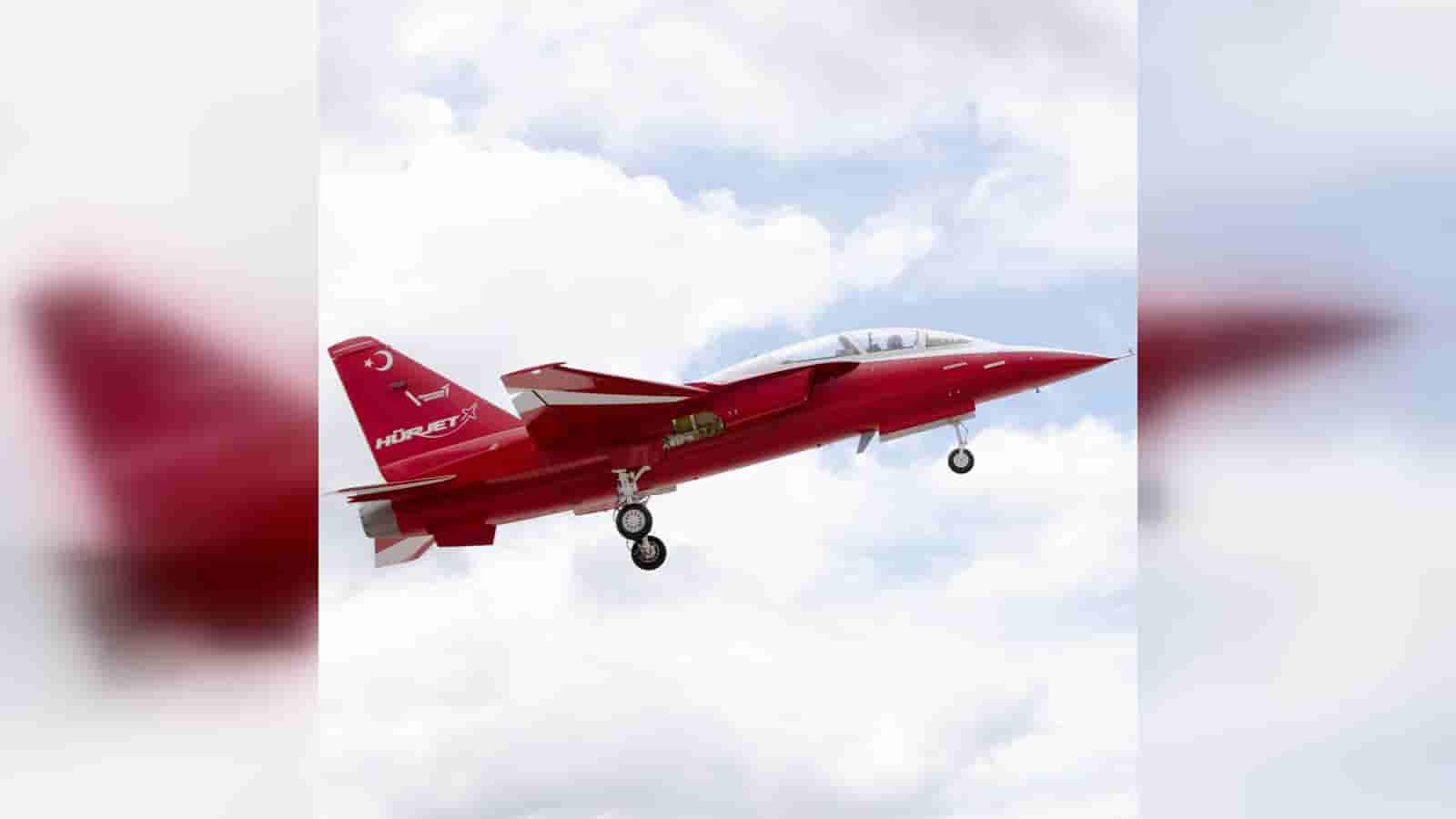
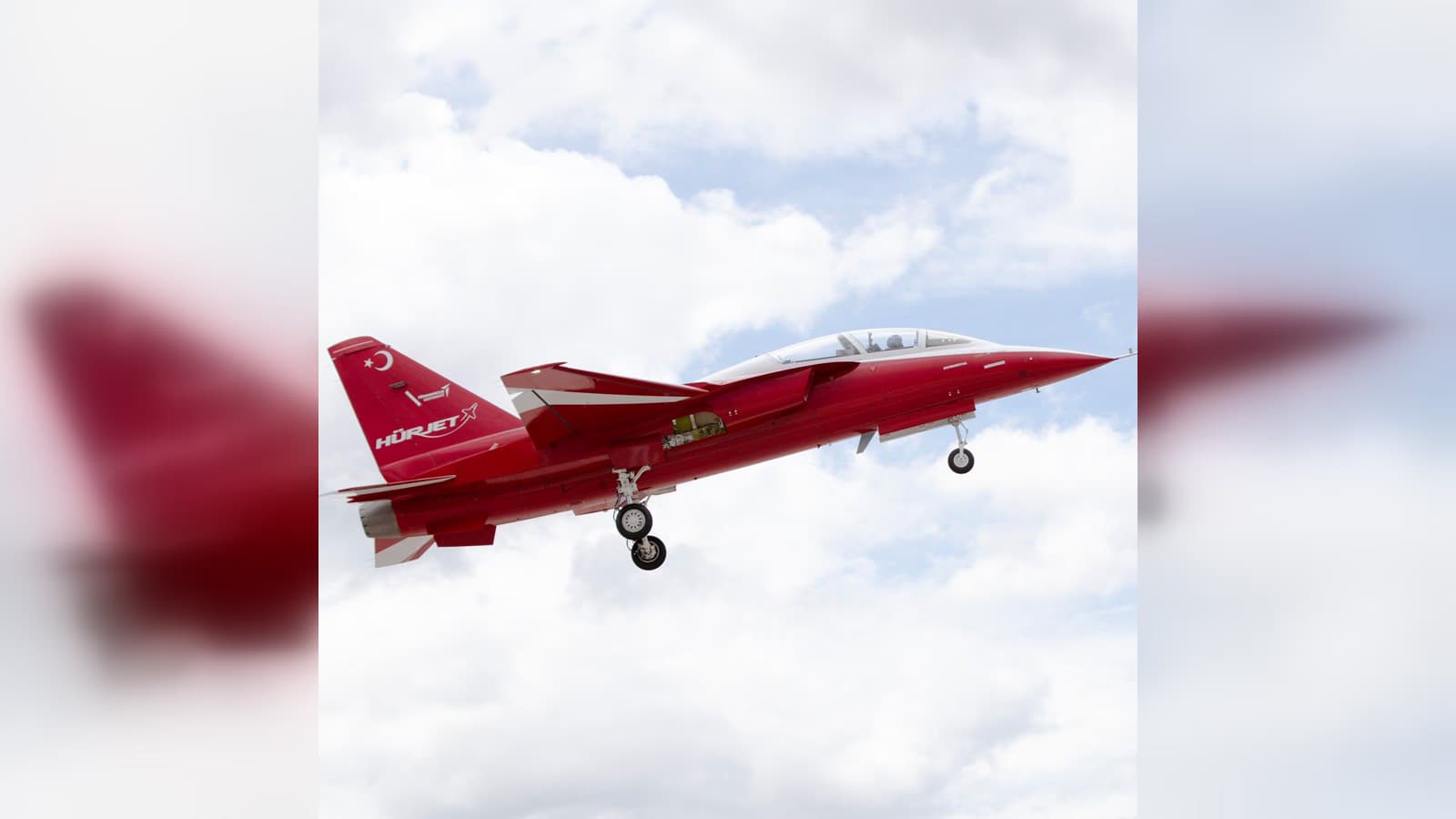
Ward said the cooperation was developing in both directions, noting that the Turkish-made HÜRJET trainer jet had been exported to Spain. He said Türkiye was now not only a country that purchased products but also one that exported them, adding that this partnership was one of the areas expected to grow.
Stay Updated with The Turkiye Times
Subscribe to be informed about special news, developments and announcements. We will keep you informed.
By signing up, you agree to our Privacy Policy