- BIST10011,692-0.90%
- USD49.58+0.05%
- EUR55.62+0.09%
- GOLD4,135.60-0.17%
- INTEREST37.00%-1.00
- BITCOIN83,174+0.28%
- October 21, 202620°
- BIST10011,692-0.90%
- USD49.58+0.05%
- EUR55.62+0.09%
- GOLD4,135.60-0.17%
- INTEREST37.00%-1.00
- BITCOIN83,174+0.28%
- October 21, 202620°
Armed attacks surge in Iran's southeast as new militant coalition steps up campaign
Armed groups have intensified attacks in Iran's Sunni-majority Sistan and Baluchestan province and neighboring Kerman in recent weeks. Rights group HRANA recorded 63 armed incidents and at least 94 deaths between March 31 and Oct. 10.
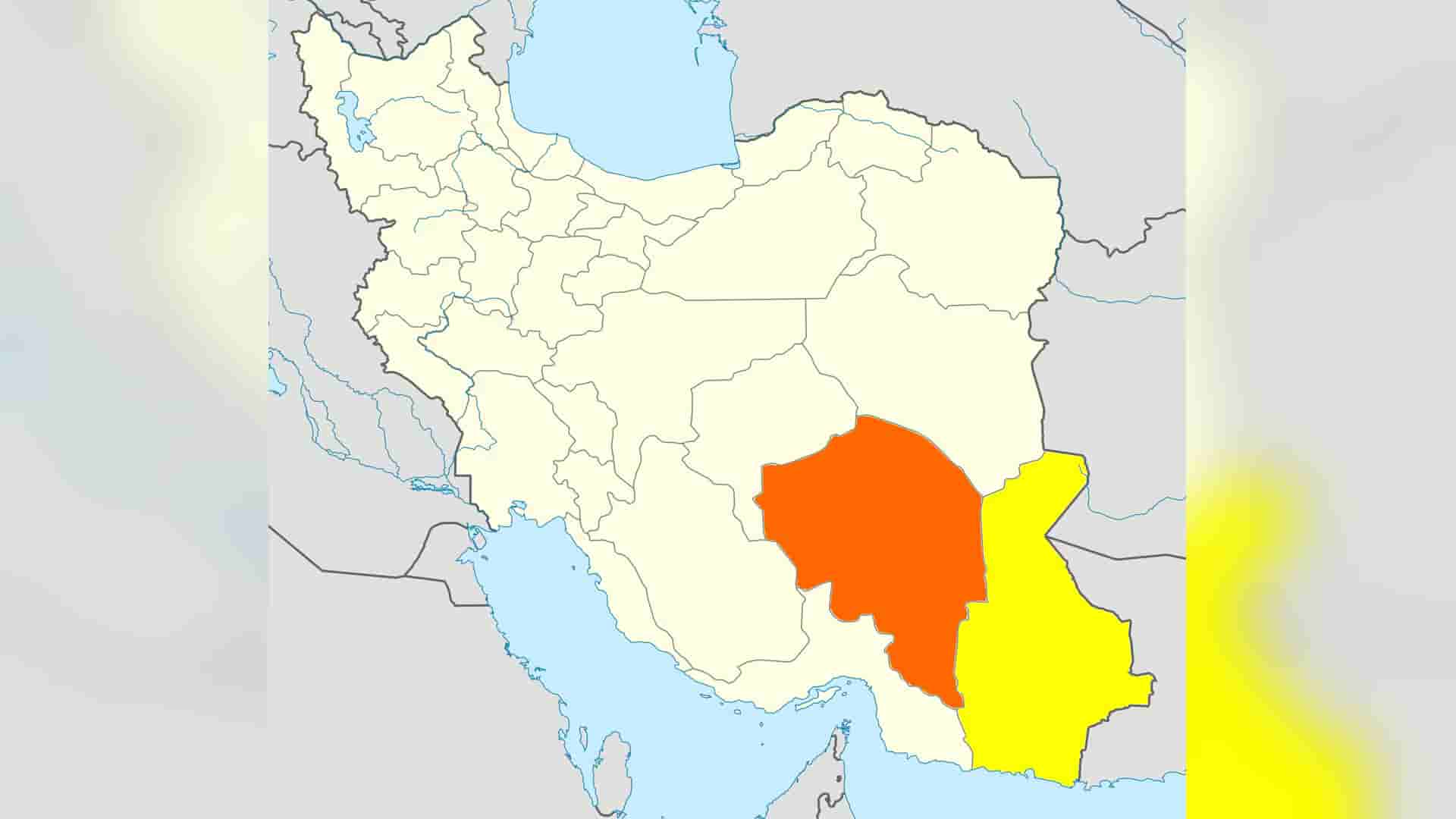
Armed attacks have risen sharply in recent weeks in Sistan and Baluchestan, the Iranian province bordering Pakistan and Afghanistan, and in neighboring Kerman province. The US-based Human Rights Activists News Agency (HRANA) said it recorded at least 63 armed incidents in the two provinces between March 31 and Oct. 10. According to the group, at least 94 people were killed and 33 injured, while official sources reported 87 deaths and 10 injuries.
HRANA said the violence accelerated markedly toward the end of the period, with 18 incidents in the final 18 days alone, more than the total for any previous full month.
A new armed coalition
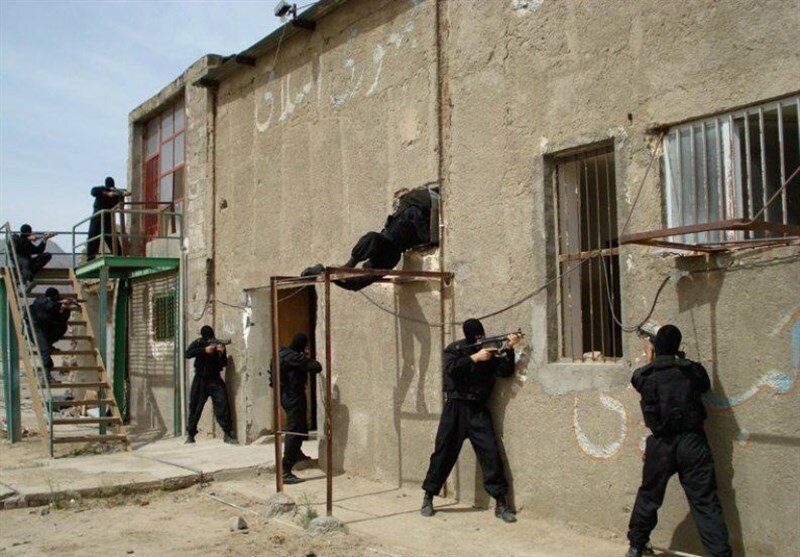
Some of the attacks were claimed by the People's Fighters Front (JMM), a coalition formed in December 2025 when Baloch nationalist organizations merged with the Sunni militant group Jaish al-Adl. The coalition has claimed six recent attacks. Tehran designates Jaish al-Adl a terrorist organization.
According to Iranian media, Afsaneh Aghila, the commander of a Basij center in Mehrestan County, was shot dead at the door of her home on Oct. 14. Mehr News Agency said she was the second female official killed in the province in less than a week. Days earlier, Major Nosrat Eftekhari, a senior figure in the provincial police command, was killed by a roadside bomb in Zahedan. Iranian officials describe the attackers as "terrorists" linked to the United States and Israel.
The Quds Base of the Revolutionary Guards' Ground Force said that on Oct. 13 it raided a Jaish al-Adl-linked kidnapping cell in the Kourin area of Zahedan, killing six of its members and freeing a construction engineer abducted the day before. One Revolutionary Guards member was killed in the clash.
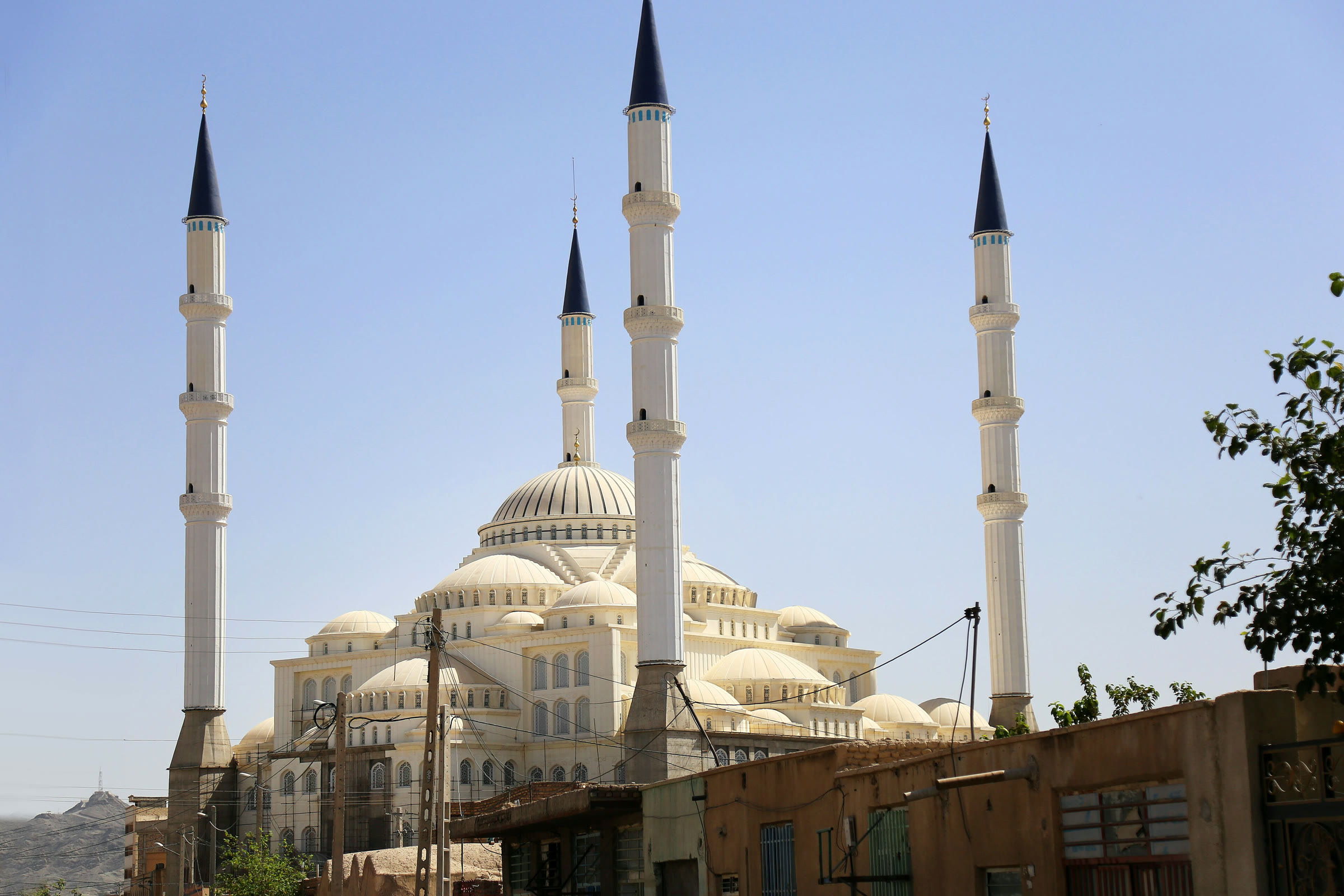
Experts: Militants cannot take over, but can wear the state down
Sistan and Baluchestan is the second-largest of Iran's 31 provinces by area, and its Sunni population has long complained of discrimination in the Shiite-majority country. The current commander of the Revolutionary Guards' Ground Force, Mohammad Karami, previously served as the province's governor and led Guards units there.
Iran analyst Mardo Soghom told Fox News that the armed groups cannot establish control of the region but can stretch the authorities' security capacity and seriously weaken their grip, adding that it is unclear whether they receive outside help. Jason Brodsky, policy director at United Against Nuclear Iran, said he saw no imminent threat of such a loss of control and stressed that Iran's territorial integrity is a red line even for the opposition. The coalition's statements make no explicit reference to separatism and describe its goal as ending Iran's system of clerical rule.
Have a story, event or announcement of your own?Send us your news on WhatsApp
Spotted an error in this story?Report it on WhatsApp
Share on all social platforms
Sponsored Ads
Featured Listings
Loading featured properties...
Stay Updated with The Turkiye Times
Subscribe to be informed about special news, developments and announcements. We will keep you informed.
By signing up, you agree to our Privacy Policy