- BIST10011,570+1.23%
- USD49.55+0.21%
- EUR55.57-0.09%
- GOLD4,131.40-0.69%
- INTEREST37.00%-1.00
- BITCOIN81,412-0.53%
- October 20, 202619°
- BIST10011,570+1.23%
- USD49.55+0.21%
- EUR55.57-0.09%
- GOLD4,131.40-0.69%
- INTEREST37.00%-1.00
- BITCOIN81,412-0.53%
- October 20, 202619°
Europe turns to troops over protests: Italy sends 500 soldiers to Milan
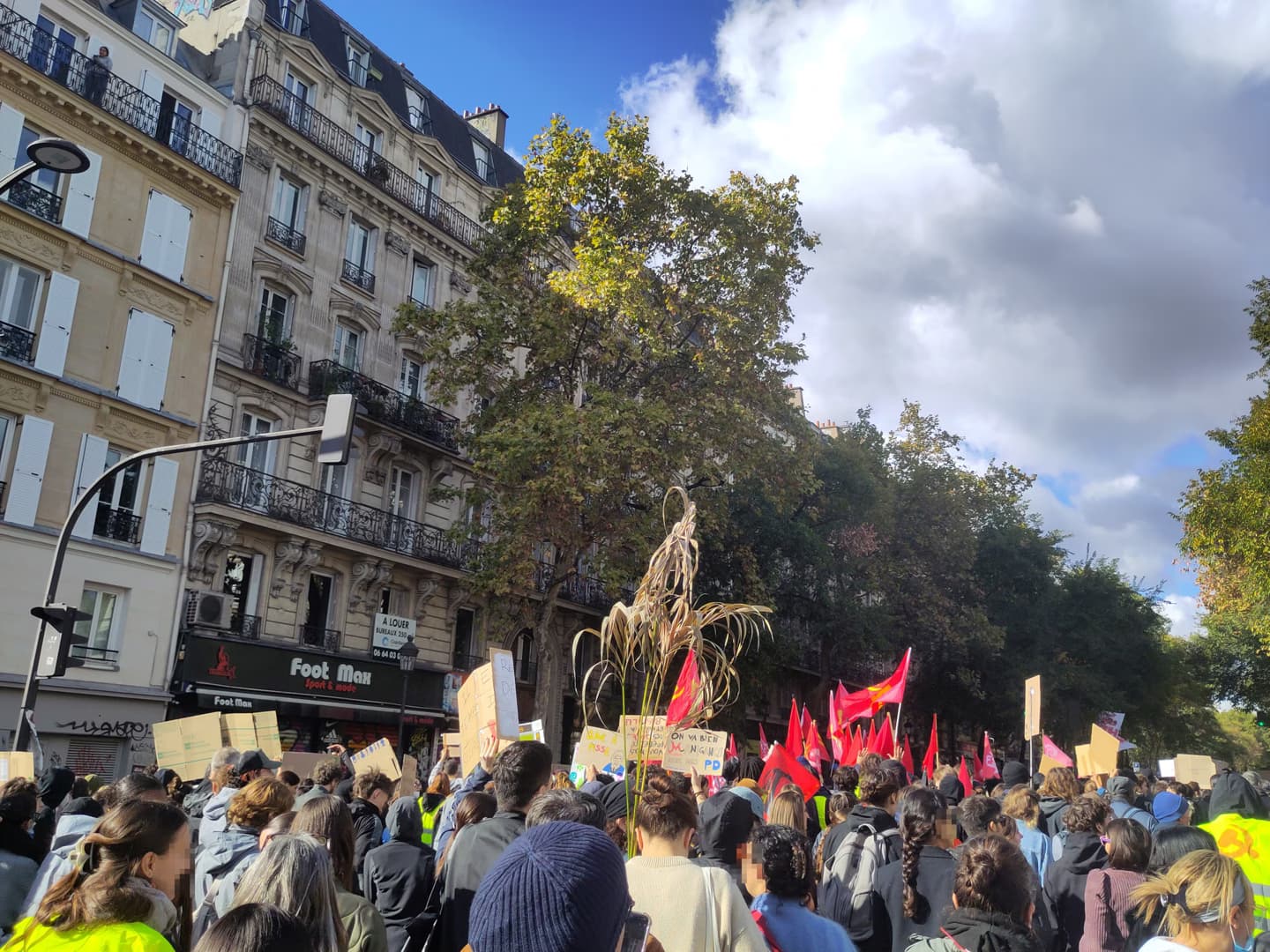
Italy decided to send 500 additional soldiers to Milan, where cost-of-living protests turned into looting and clashes. In France, curfews were declared in Lille, Douai, Wattignies and Denain, while a police helicopter patrols curfew zones in Paris.

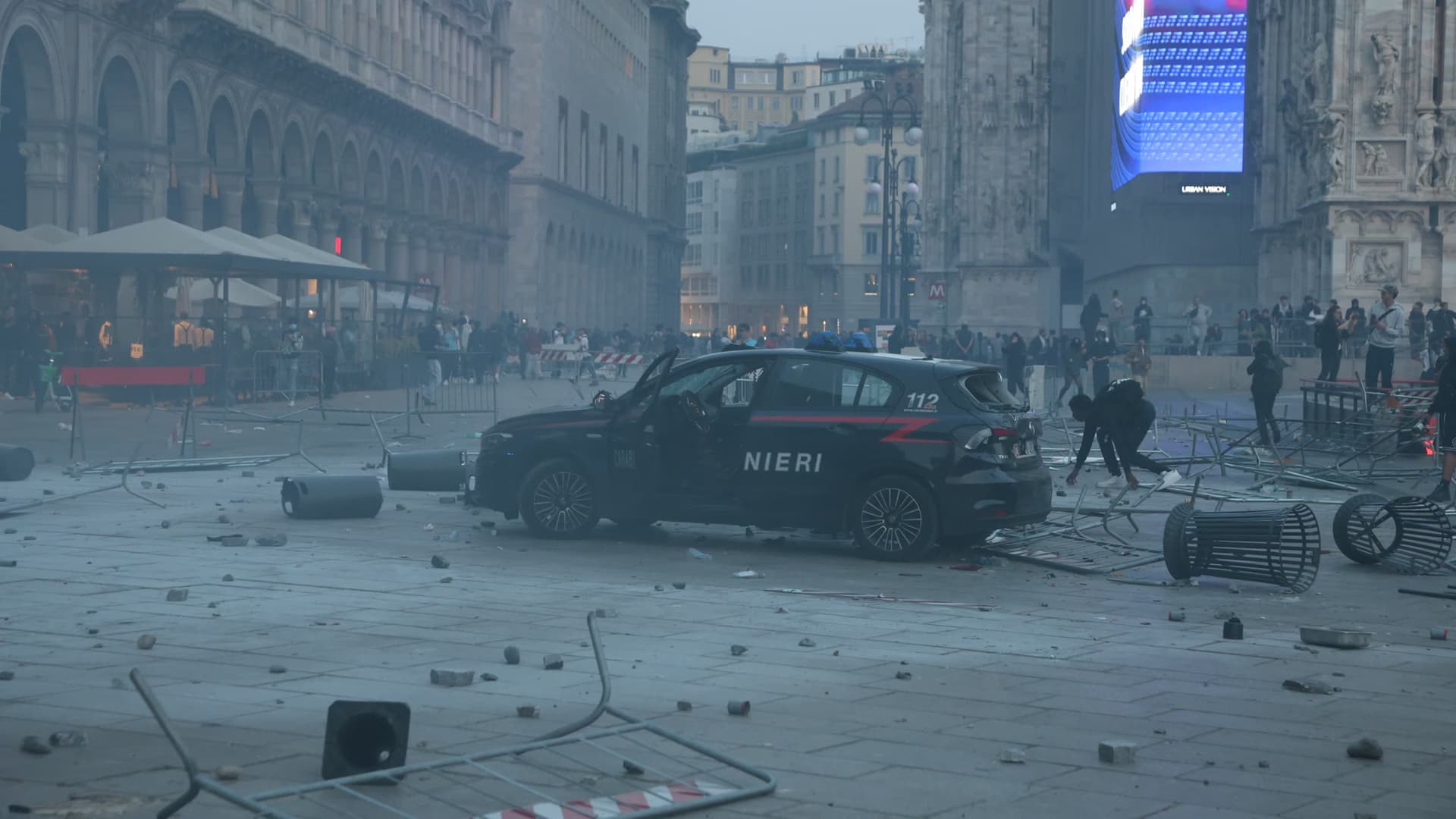
Governments in Europe have begun turning to military and emergency security measures in response to cost-of-living protests that have turned violent in many cities. Italian Deputy Prime Minister Matteo Salvini announced on Oct. 19 that 500 additional soldiers would be sent to Milan.
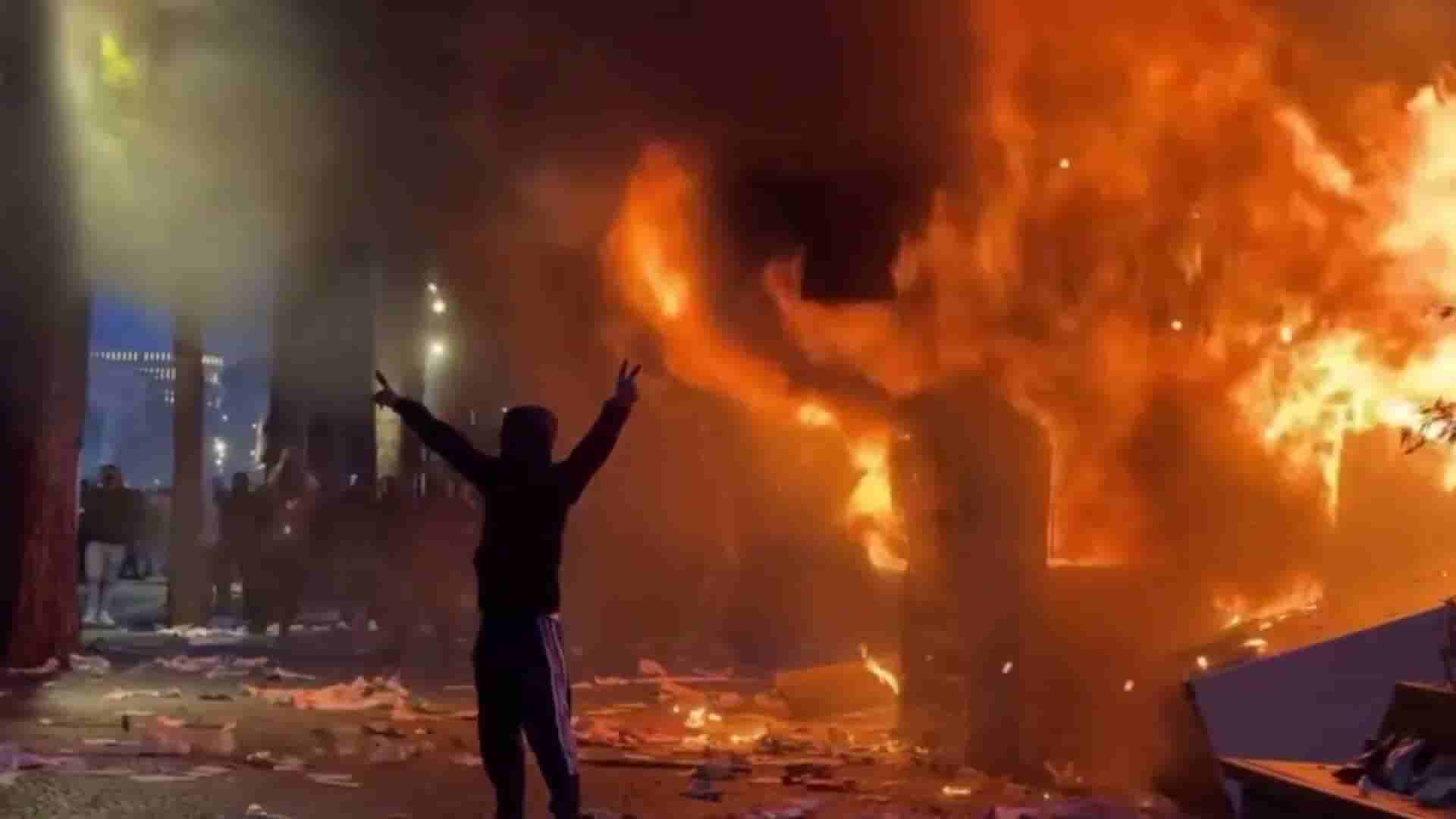
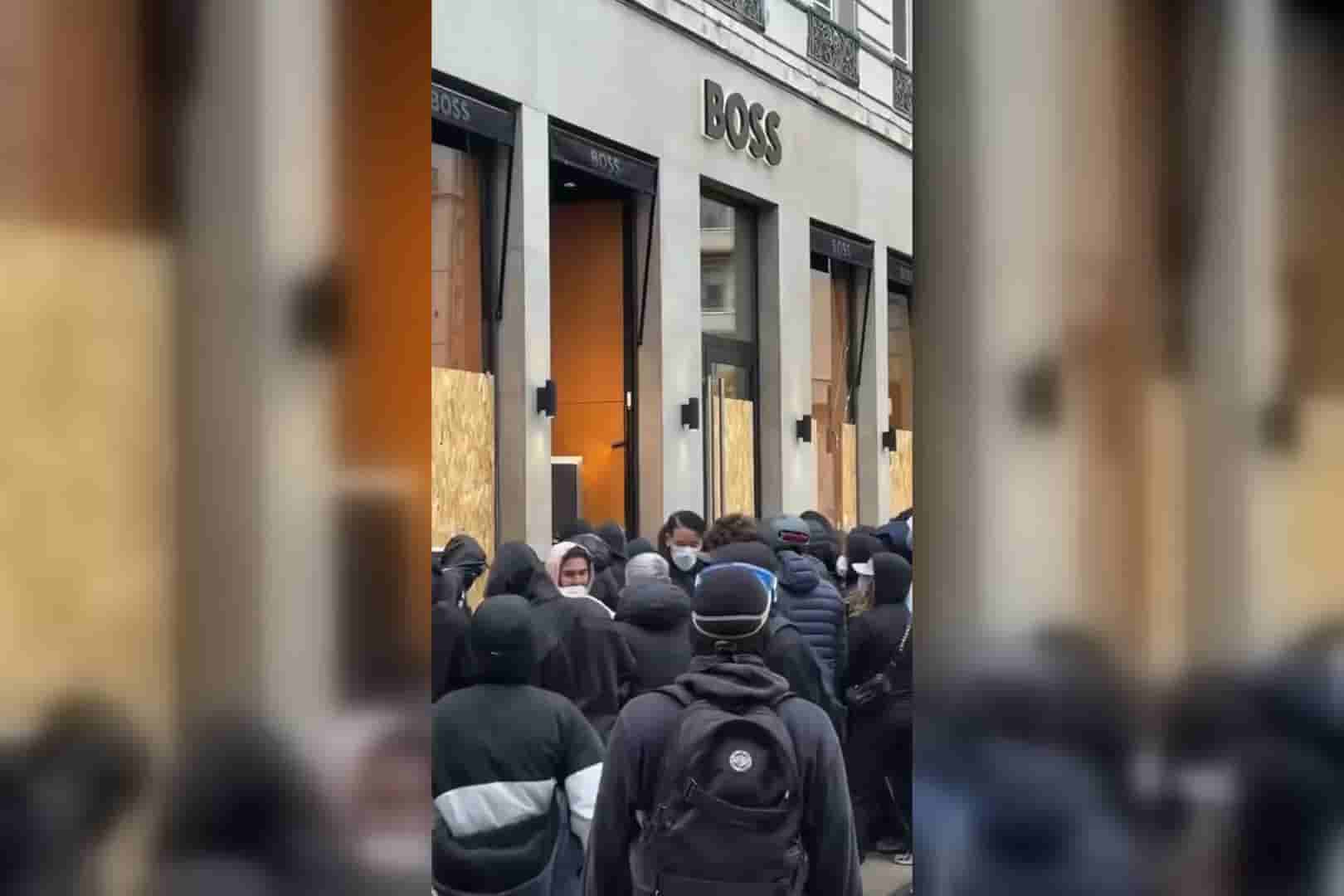
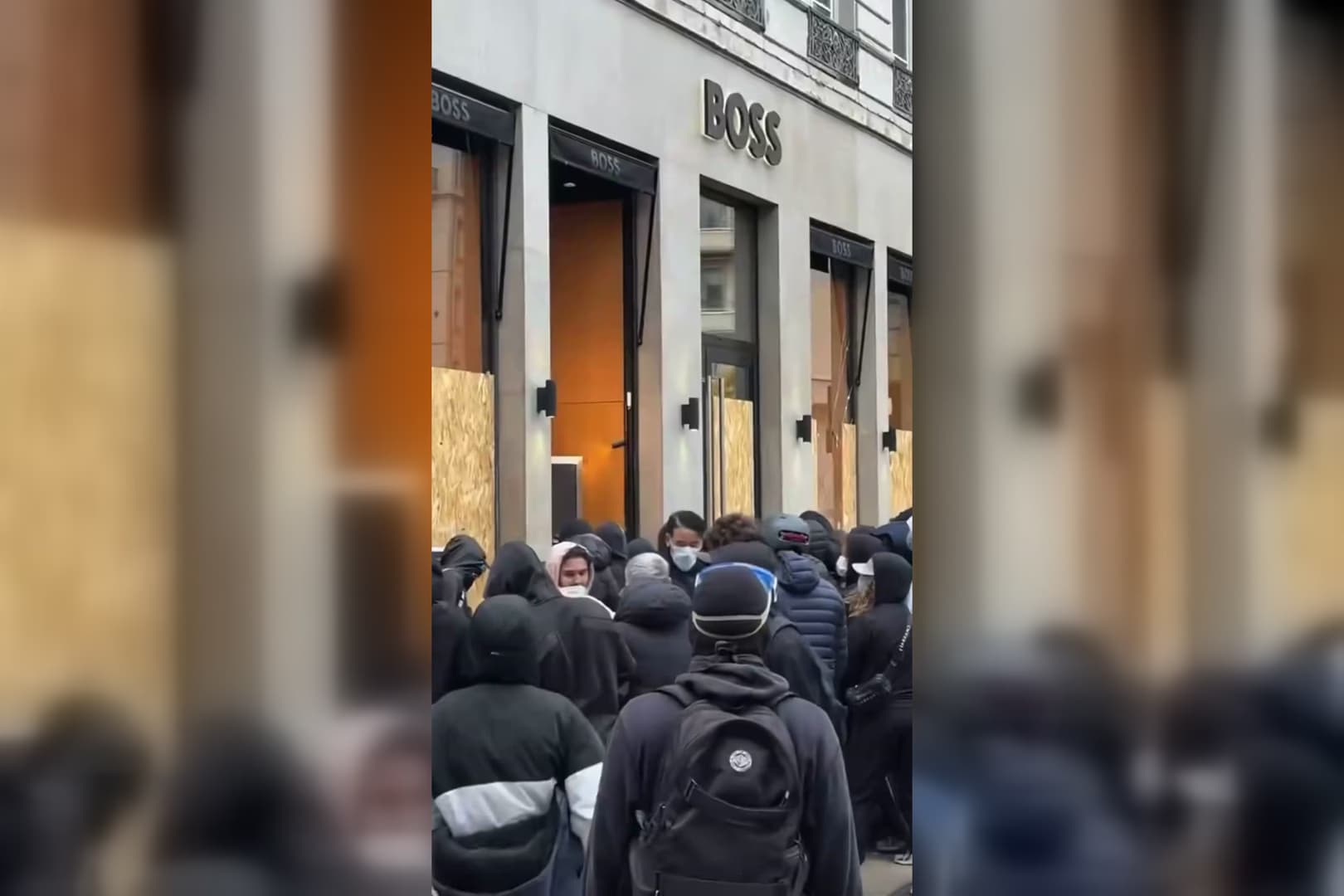
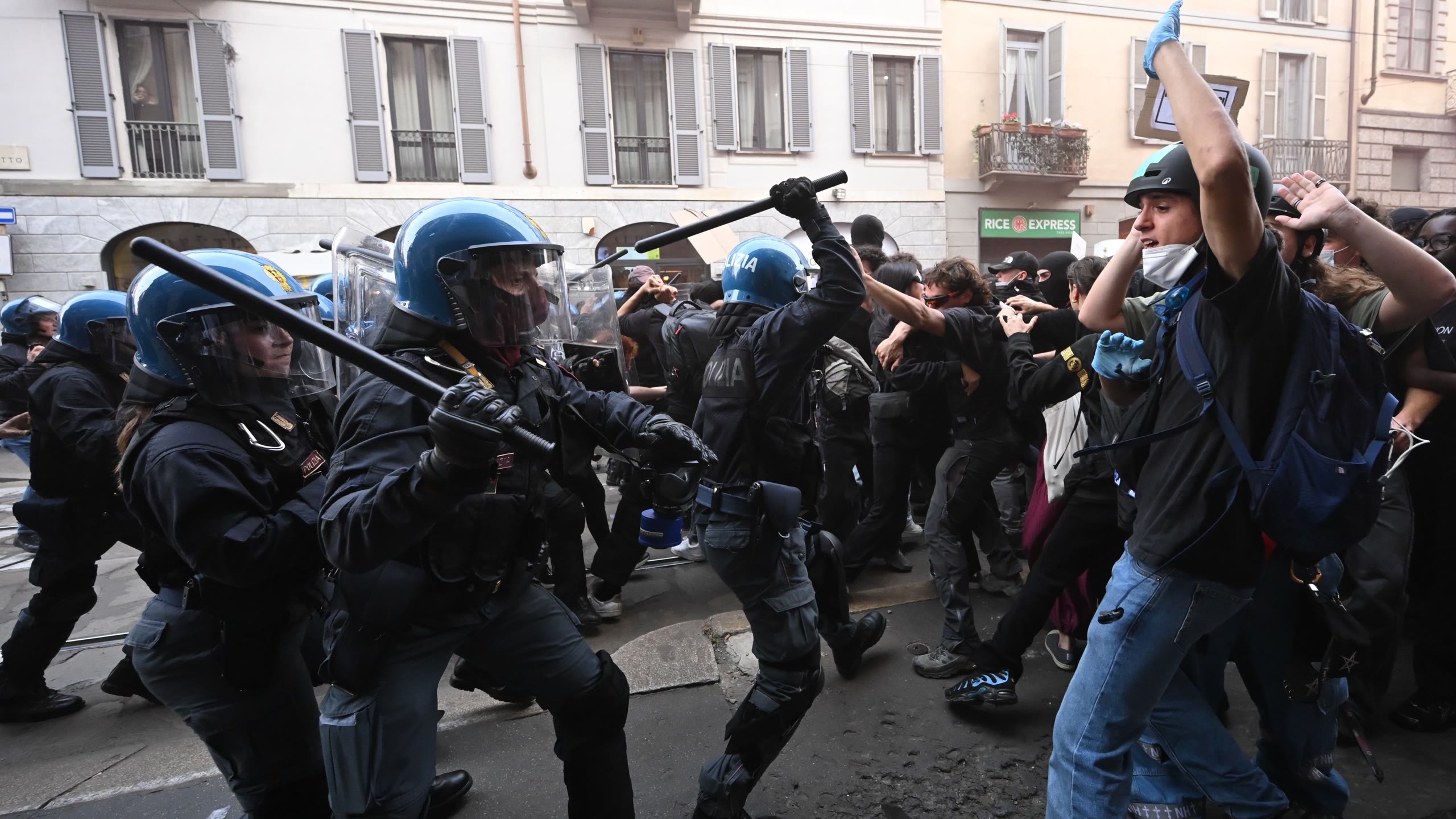
Protests in central Milan turned into clashes, vandalism and looting over the weekend, causing more than €1 million in damage. According to ANSA, 271 people were detained, 32 arrested and 14 police officers injured on Sunday alone. Unrest also spread to Turin, Bologna and Bergamo.
Police powers for soldiers on the table
After a security meeting chaired by Prime Minister Giorgia Meloni, the soldiers are expected to reinforce the existing "Safe Streets" (Strade Sicure) operation in Italian cities. A new emergency decree is expected at Tuesday's cabinet meeting, and Defense Minister Guido Crosetto said it should allow soldiers to act with police powers for three months. Stores on Milan's luxury shopping street Via Montenapoleone removed merchandise from their windows as a precaution.
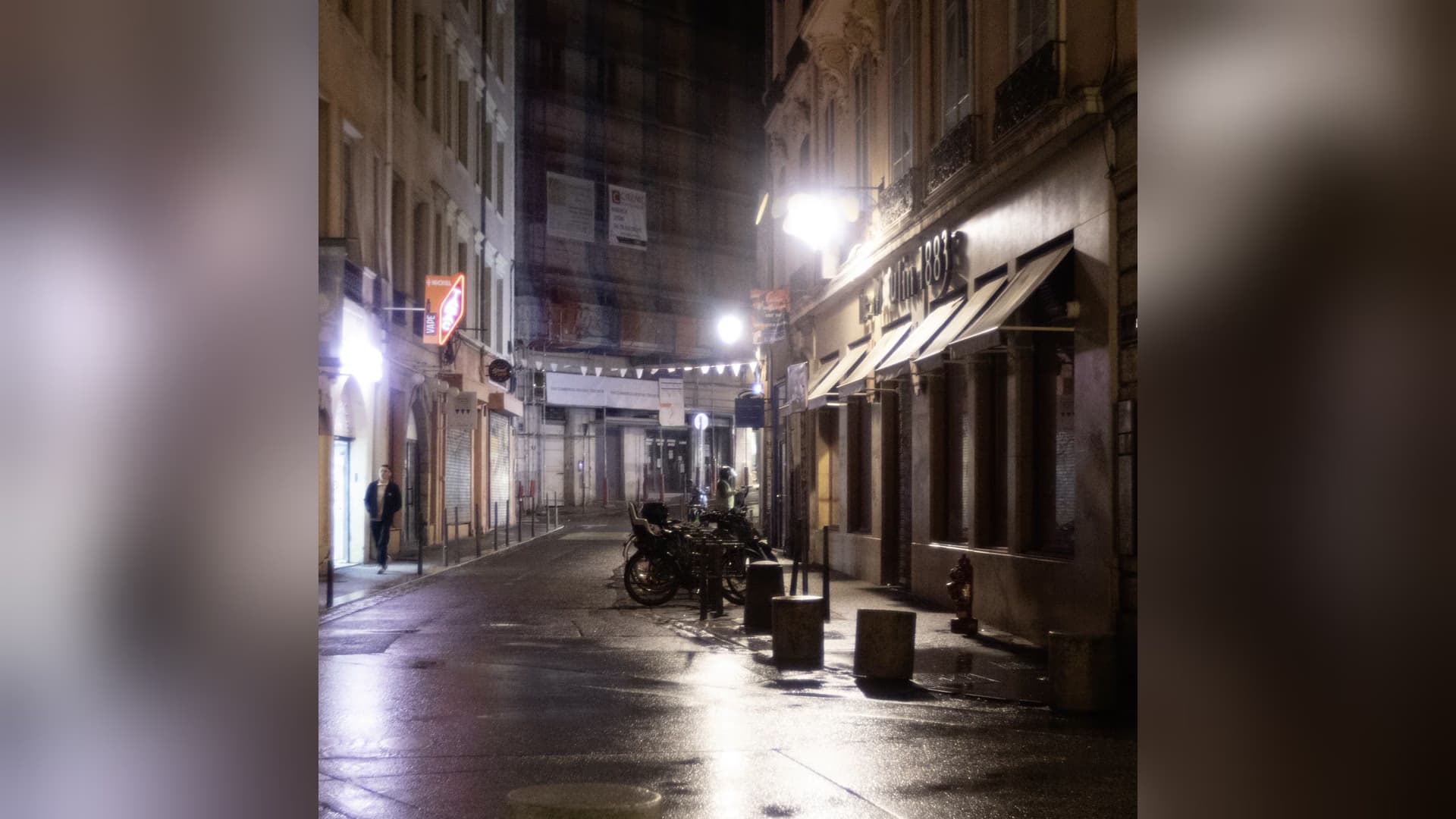
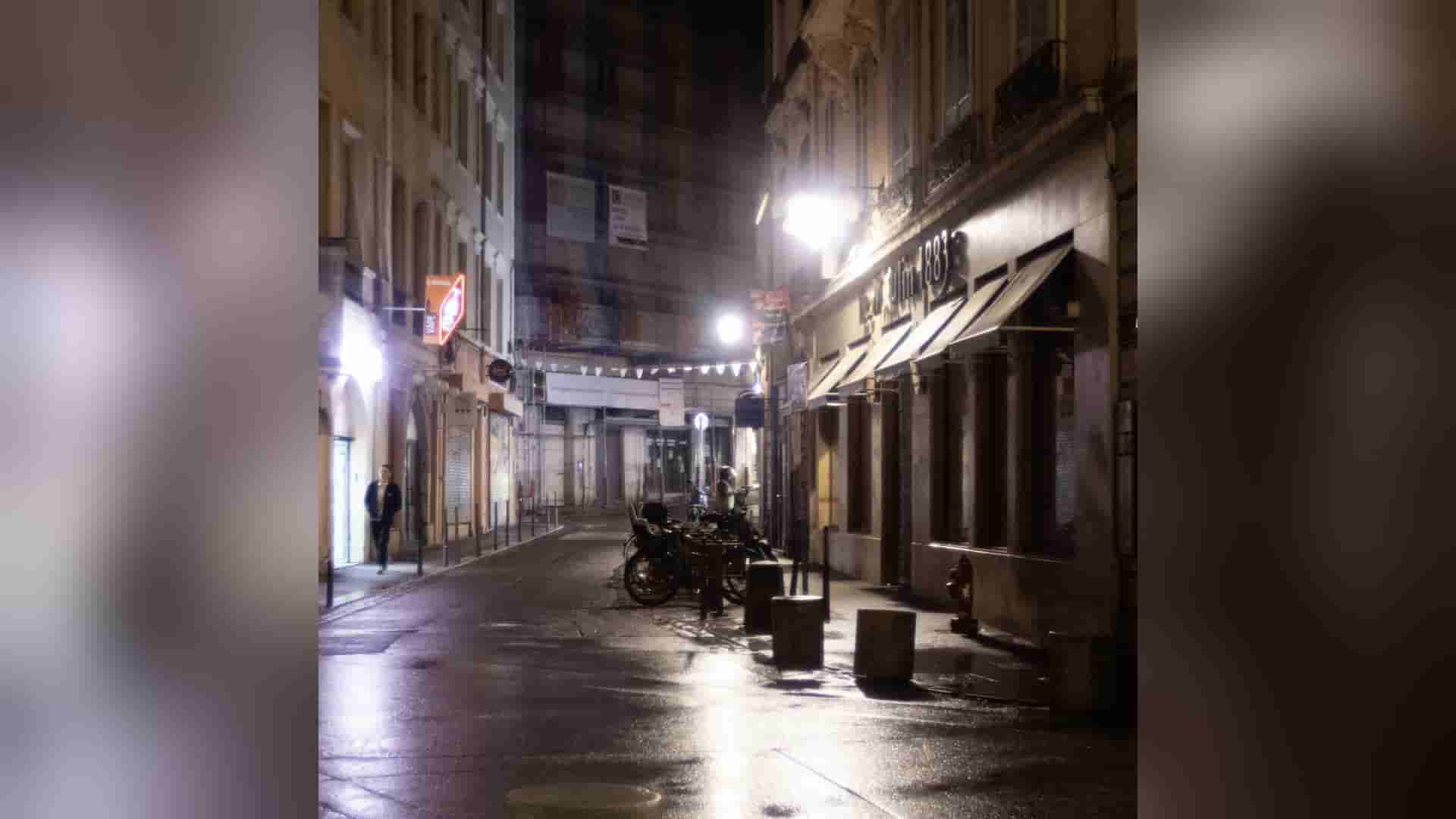
In France, curfews took effect after the violence of Oct. 17. In Paris, a police helicopter is patrolling areas under curfew.
Two-night curfew in and around Lille
By order of Nord Prefect Bertrand Gaume, a curfew from 8 p.m. to 6 a.m. is in force for two nights from the evening of Oct. 19 in Lille, Douai, Wattignies and Denain. It covers Lille's city center, the Blanc-Riez neighborhood of Wattignies and a designated area of Denain. More than 80 businesses had been looted or vandalized in Lille.
French Prime Minister Sébastien Lecornu had asked prefects to impose "partial" and "localized" curfews. President Emmanuel Macron also said prefects could ban some demonstrations.
Have a story, event or announcement of your own?Send us your news on WhatsApp
Spotted an error in this story?Report it on WhatsApp
Share on all social platforms
Sponsored Ads
Featured Listings
Loading featured properties...
Stay Updated with The Turkiye Times
Subscribe to be informed about special news, developments and announcements. We will keep you informed.
By signing up, you agree to our Privacy Policy