Hearings continued in the case being heard in the district court in Oakland, California. In the case overseen by Judge Yvonne Gonzalez Rogers, former Meta employee Arturo Bejar maintained his allegations concerning the company's child safety policies.
Bejar, who previously served as an engineering director at Meta, said the company rewarded employees based on metrics such as meaningful social interactions and daily active users. He argued that this approach prioritized engagement and financial goals over safety.
Allegations involving child users
Bejar alleged that Meta's tool encouraging users to take breaks was designed in a way that made it ineffective. He said the tool was not offered as the default setting and that its reminders could easily be ignored.
The former employee claimed that Meta had technology capable of identifying millions of users under the age of 13. Bejar alleged that the company adopted a "don't ask, don't tell" approach on the issue because of its long-term financial interests.
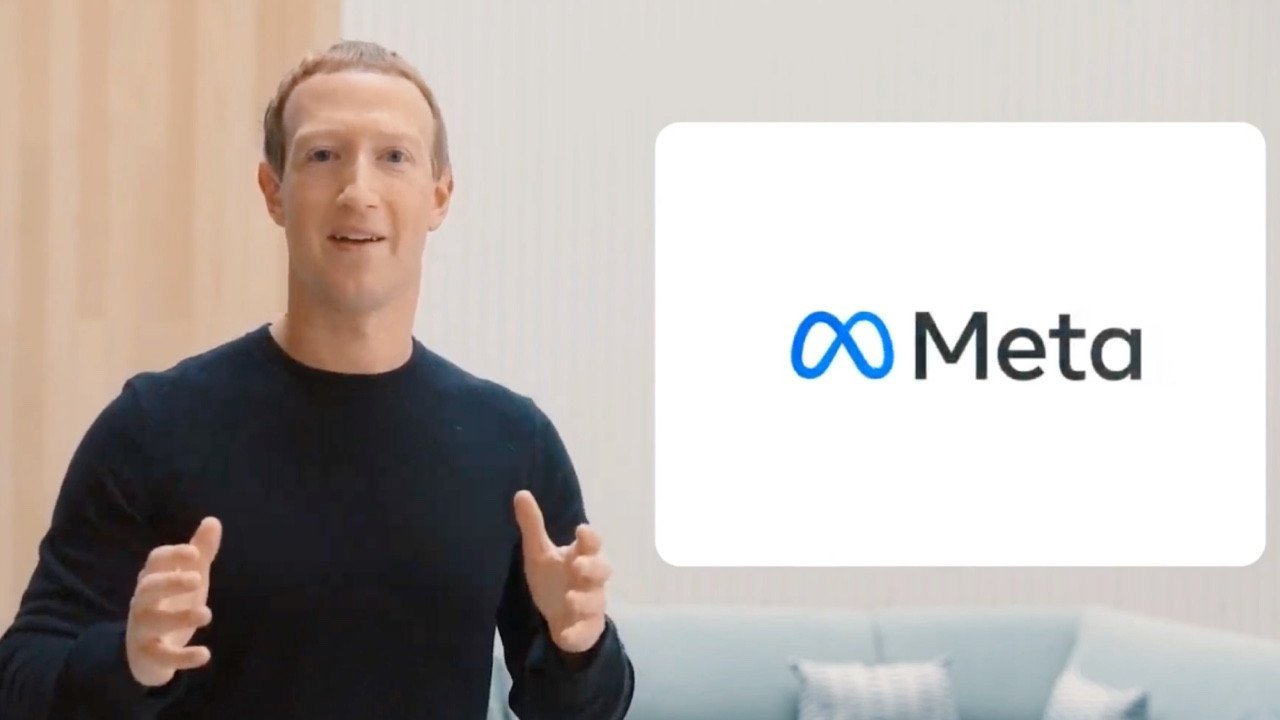
Bejar also said Meta CEO Mark Zuckerberg was directly involved in many decision-making processes. He stated that when Zuckerberg made an issue a priority, comprehensive changes could be implemented across the company in a short time.
Meta denies the allegations
California Deputy Attorney General Megan O'Neill, representing the plaintiffs, alleged that Meta's business model was based on keeping users on its platforms and collecting their data. O'Neill claimed that the company concealed the risks its platforms posed to children and interfered with its own mental health research.
Meta attorney Paul Schmidt argued that the company had shared information about the harms of social media. Schmidt said implementing content and age-limit policies was complex and that employees were working to improve the platforms' effects on user well-being.
In his previous testimony, Bejar had also alleged that Meta knew its platforms were harming young people and that safety only later became a priority within the company. The former employee further claimed that public reports understated the prevalence of harm among users.
Case could last for weeks
The case, which is expected to continue for weeks, is expected to hear testimony from Zuckerberg and Instagram head Adam Mosseri, as well as current and former employees and psychology experts.
Of the 29 states that filed the case, California, Colorado, Kentucky and New Jersey will address claims based on state laws, while the other states will address claims based on federal laws during the hearings. The design and addiction allegations brought by the other 25 states are planned to be heard in separate proceedings.
Because the jury will have only an advisory role, Judge Yvonne Gonzalez Rogers will decide whether Meta is liable and what penalties or sanctions will apply. The outcome of the case could affect cases in other states and lead to changes in how Facebook and Instagram operate.
Meta said it could face penalties of up to $1.4 trillion if it loses the case. The case file describes the amount as close to the company's market value and unprecedented in legal history.
Parents who said social media played a role in their children's deaths were among the demonstrators gathered outside the courthouse. The demonstrators protested Meta.


















