- BIST10010,760-3.63%
- USD49.86+0.15%
- EUR55.82+0.52%
- GOLD3,898.90-3.29%
- INTEREST36.00%-1.00
- BITCOIN77,304+0.13%
- October 31, 202616°
- BIST10010,760-3.63%
- USD49.86+0.15%
- EUR55.82+0.52%
- GOLD3,898.90-3.29%
- INTEREST36.00%-1.00
- BITCOIN77,304+0.13%
- October 31, 202616°
Türkiye-Germany labor agreement marks 65 years as Merz hails “success story”
The Labor Agreement signed between Türkiye and Germany on October 30, 1961, has reached its 65th year. Türkiye’s Embassy in Berlin said it takes great pride in the achievements of the Turkish community in Germany, while Chancellor Merz described the migration as a “success story.”
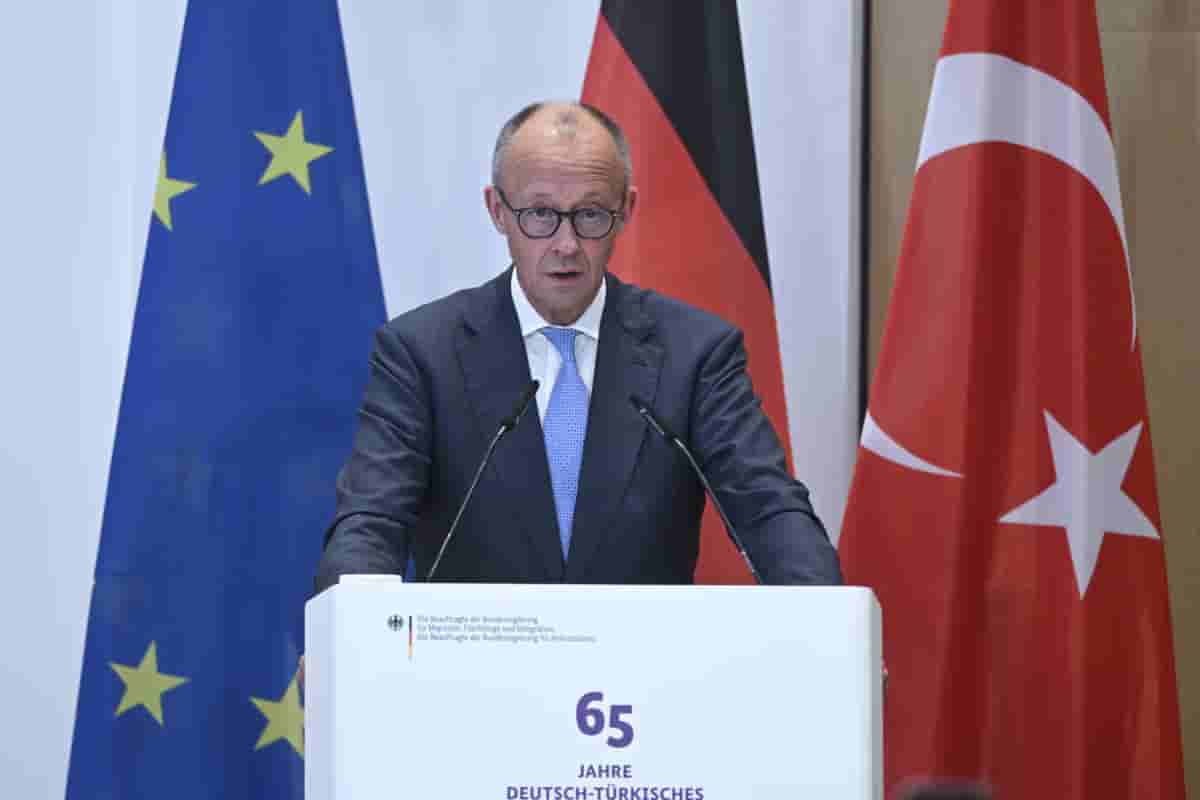
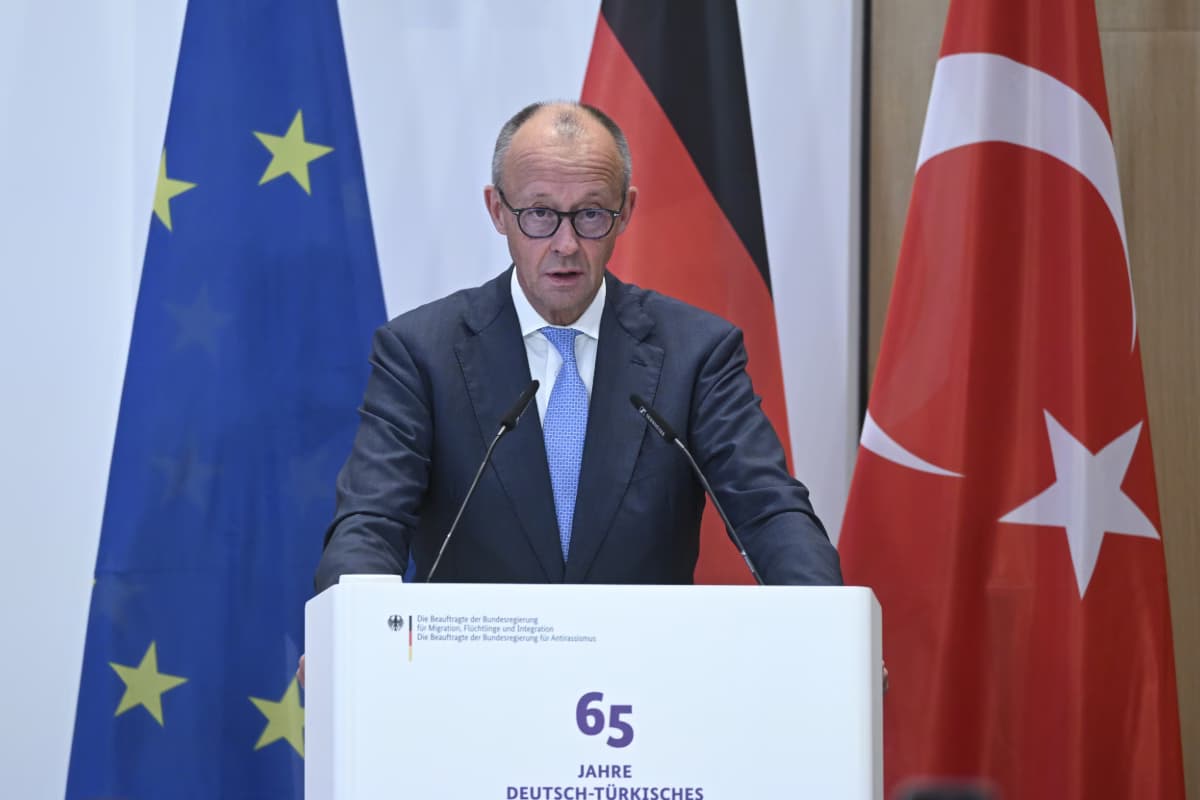
The Labor Agreement signed between Türkiye and Germany on October 30, 1961, has reached its 65th year. In a statement marking the anniversary, Türkiye’s Embassy in Berlin said it takes great pride in the achievements of members of the Turkish community in Germany across all fields, particularly politics, the arts, literature, science and sports.
Implemented through an exchange of notes in Bonn’s Bad Godesberg district, the agreement marked the beginning of organized labor migration from Türkiye to Germany. The process continued until Germany halted the recruitment of foreign workers in 1973 because of the oil crisis.
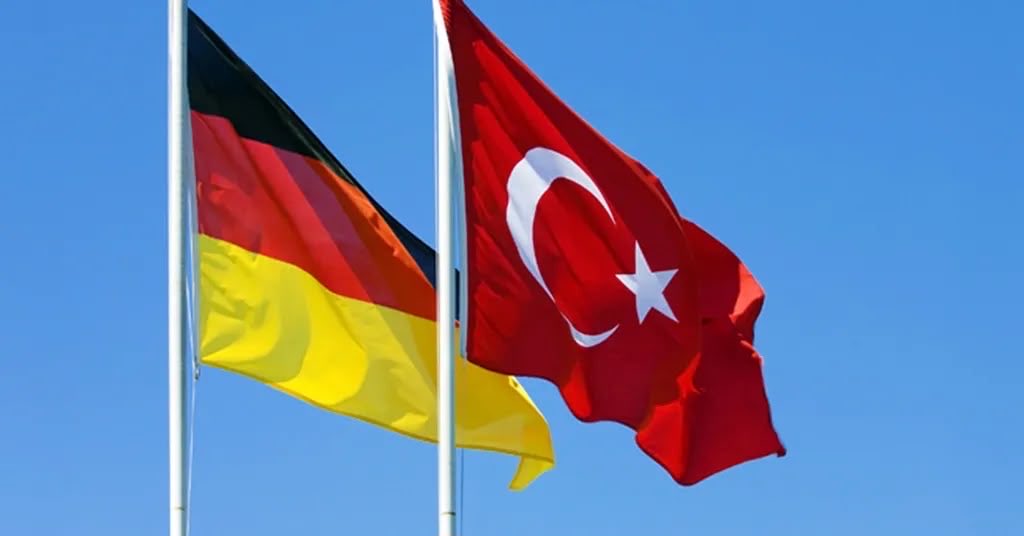
During this period, approximately 867,000 people traveled from Türkiye to Germany for work. Today, approximately 3 million people of Turkish origin live in Germany, and people of Turkish origin constitute the country’s largest immigrant group.
Merz: A success story
Speaking at a ceremony in Cologne marking the agreement’s 65th anniversary, German Chancellor Friedrich Merz praised the workers who came from Türkiye and their families for their contributions to Germany, describing this migration as a “success story.” Merz said the migration had enriched the country economically, scientifically, culturally and even gastronomically.
“Fear of foreigners is poison for every free society,” Merz said. Natalie Pawlik, the Federal Government Commissioner for Migration, Refugees and Integration, also criticized discrimination against immigrants of Turkish origin, saying, “Thank you for your courage, the work you have carried out throughout your lives and everything you have contributed to our country.”
A story spanning generations
The second and third generations that followed the first generation of workers are now prominent in many fields in Germany, from politics and business to science and sports.
Stay Updated with The Turkiye Times
Subscribe to be informed about special news, developments and announcements. We will keep you informed.
By signing up, you agree to our Privacy Policy