- BIST10011,117-0.92%
- USD49.63+0.05%
- EUR55.70+0.05%
- GOLD4,010.20-1.24%
- INTEREST36.00%-1.00
- BITCOIN81,469+0.19%
- October 23, 202616°
- BIST10011,117-0.92%
- USD49.63+0.05%
- EUR55.70+0.05%
- GOLD4,010.20-1.24%
- INTEREST36.00%-1.00
- BITCOIN81,469+0.19%
- October 23, 202616°
UK government urges households to stock three days of essentials for crises
The UK government urged households to store three days of drinking water and essential supplies to prepare for natural disasters, cyberattacks and critical infrastructure disruptions, including 3 litres of water per person per day. Defence Secretary Wes Streeting said the threats were not hypothetical and called on citizens to prepare without panicking.


The UK government recommended that households build a three-day stock of essential supplies to prepare for natural disasters, cyberattacks and critical infrastructure disruptions.
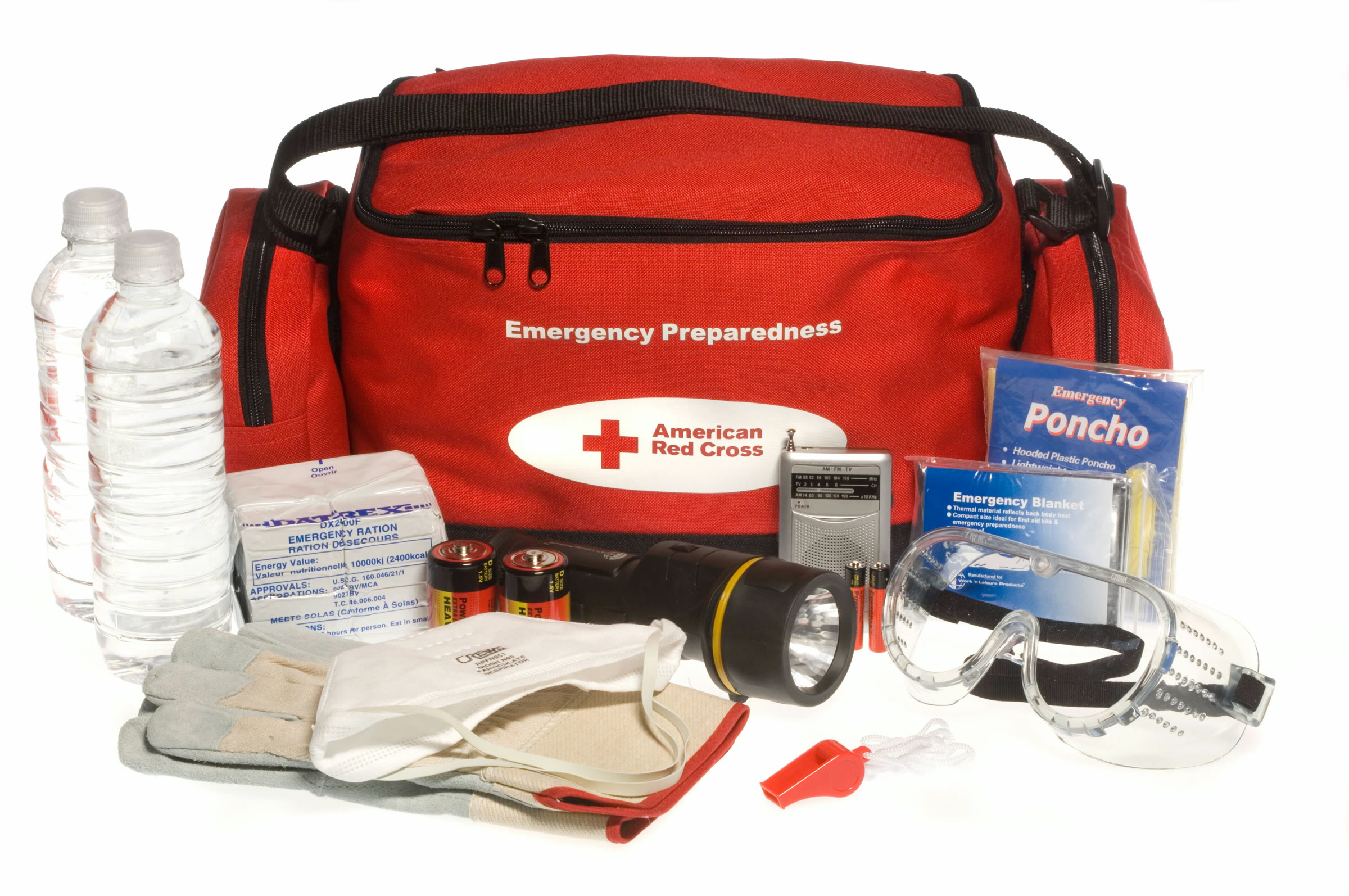
As part of the "Be Ready" campaign, households were advised to keep a total of 9 litres of drinking water for three days, at 3 litres per person per day. The recommendations also included non-perishable food, first-aid supplies, a flashlight, blankets, cash and a battery-powered radio.
Preparing for power and communications outages
Emergency situations could disrupt electricity, water, telephone and internet services. Disruptions to supply chains could also make it more difficult for households to access essential goods.
Speaking at a defence industry facility in Telford, Defence Secretary Wes Streeting said the country needed to be better prepared for threats including natural disasters, sophisticated cyberattacks and state-backed terrorism.
Warning that Russia and other hostile states could target critical infrastructure used in daily life, Streeting said, "These threats are not hypothetical; they are real. They are increasingly appearing here, not elsewhere."
Streeting stressed the importance of households and businesses planning in advance how they would respond to potential crises. He said the government did not aim to frighten the public and urged citizens to remain alert without panicking.
Preparations not aimed at a specific threat
Streeting said food and water supplies could be used in different crisis scenarios, rather than in response to a specific threat, such as a power outage or payment systems failing because of a cyberattack.
Security Minister Dan Jarvis said simple measures taken by citizens would help security and rescue teams give priority during emergencies to people who needed more support.
Jarvis said the initiative aimed to increase the country’s resilience to crises and noted that similar preparedness campaigns were also being conducted in France, Ireland and the Netherlands.
Cybersecurity agenda
After a critical security vulnerability was identified in PHP, a programming language used by numerous websites worldwide, 32 websites belonging to public services in the UK were taken offline as a precaution.
Source: Anadolu Ajansı
Have a story, event or announcement of your own?Send us your news on WhatsApp
Spotted an error in this story?Report it on WhatsApp
Share on all social platforms
Sponsored Ads
Featured Listings
Loading featured properties...
Stay Updated with The Turkiye Times
Subscribe to be informed about special news, developments and announcements. We will keep you informed.
By signing up, you agree to our Privacy Policy