- BIST10011,117-0.92%
- USD49.63+0.05%
- EUR55.70+0.05%
- GOLD4,010.20-1.24%
- INTEREST36.00%-1.00
- BITCOIN81,469+0.19%
- October 23, 202616°
- BIST10011,117-0.92%
- USD49.63+0.05%
- EUR55.70+0.05%
- GOLD4,010.20-1.24%
- INTEREST36.00%-1.00
- BITCOIN81,469+0.19%
- October 23, 202616°
Germany's students and opposition call for October 31 protests
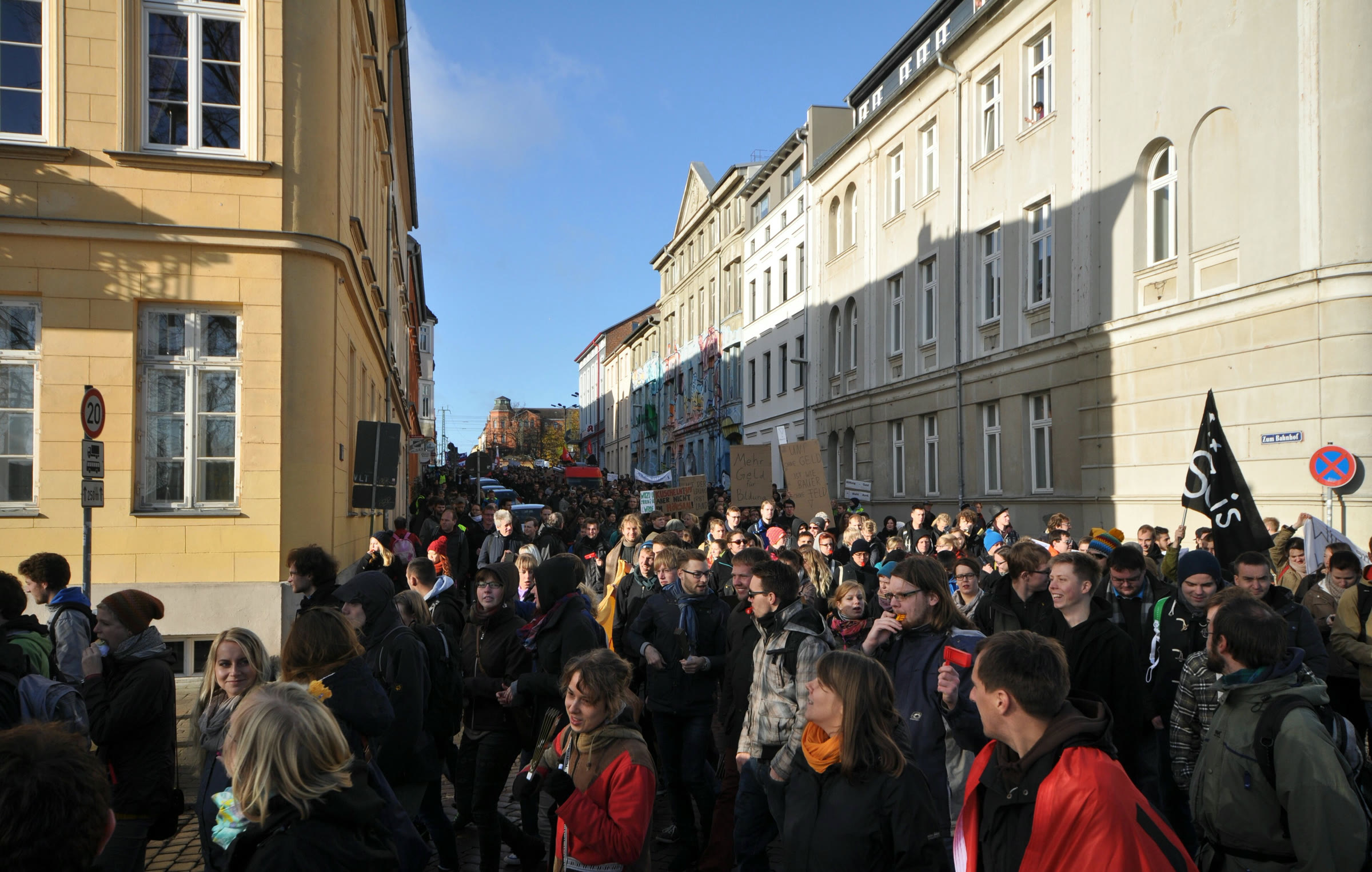
Germany’s Federal Student Conference and opposition Left Party have backed education protests planned in several cities on October 31. Demonstrators are calling for greater investment in schools, better educational conditions, climate protection and opposition to compulsory military service.


Germany’s Federal Student Conference and the opposition Left Party have backed protests planned in several cities across the country on October 31. Demonstrators are calling for increased funding and investment in education, as well as improved conditions in schools.
Isabelle Seltenreich, a spokesperson for the Federal Student Conference, said students had the right to take to the streets to advocate improvements to the education system and every reason to do so. The student and youth movements GenZ regelt and GenZ steht auf have launched online campaigns to mobilize support for the protests.
Demands of the protests
In addition to their education demands, the movements are calling for greater climate protection, measures to address the rising cost of living and opposition to compulsory military service. The initiative explicitly rejects the use of violence.
Seltenreich said the Federal Student Conference shared most of the demands raised in protests in France and Italy. These include better facilities and infrastructure in schools, sufficient numbers of teachers, smaller classes, improved learning conditions and an education system that provides equal opportunities for all young people regardless of their social background.
Seltenreich also warned that protests in France and Italy could be exploited by various political groups.
Support from the Left Party
Ines Schwerdtner, co-chair of the Left Party, gave partial support to the protest movement. During a video meeting with the Socialist Democratic Student Union, Schwerdtner said Germany should also adopt the method of bringing different movements together, which she said had worked in France.
Schwerdtner expressed support for activists from the Socialist Democratic Student Union in the states of Bavaria and Baden-Württemberg who are under surveillance by the domestic intelligence service, saying, "Whether the attacks against you come from the police or the media, I will defend you."
Authorities warn of violence
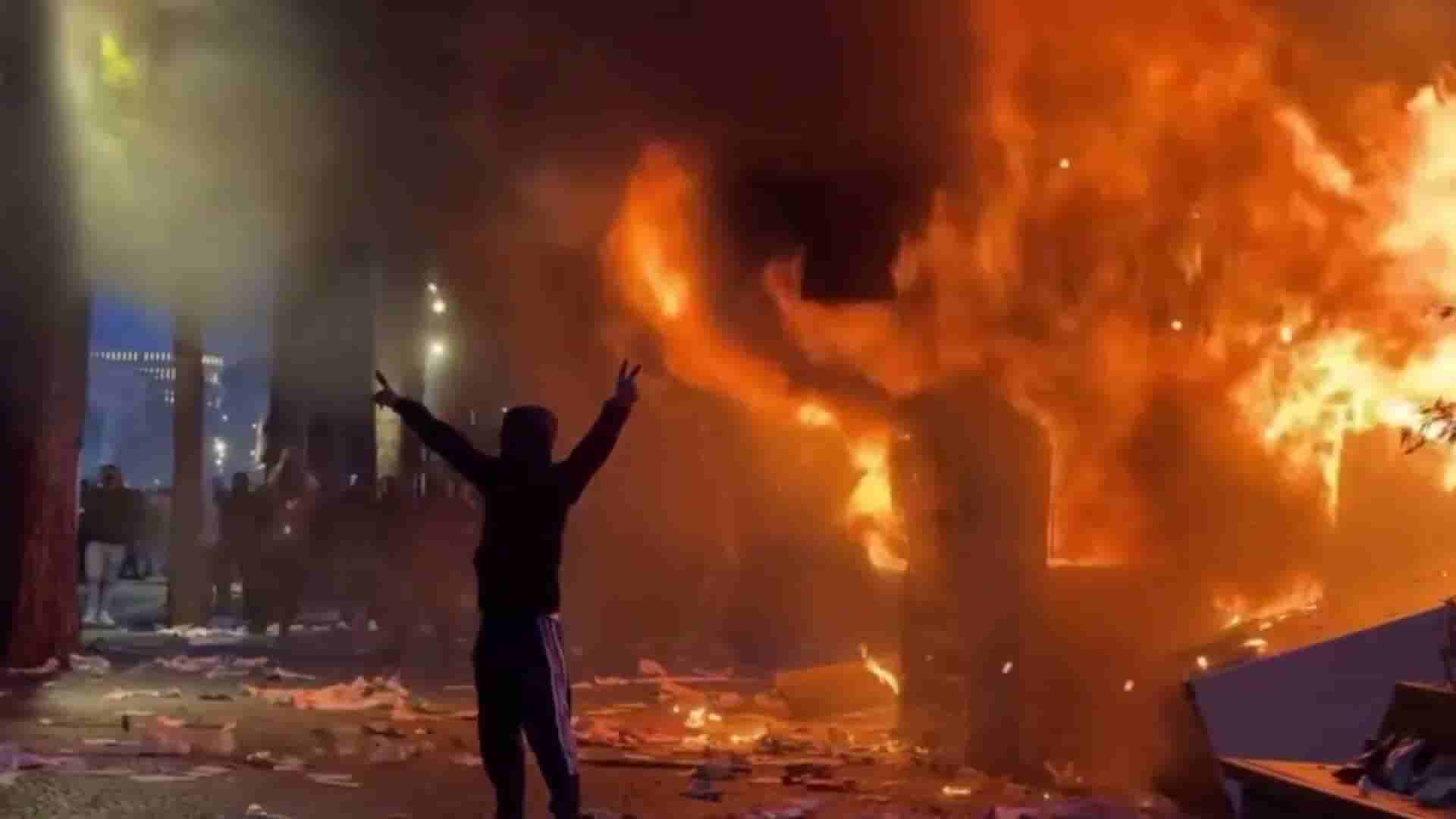
Students in France have been protesting since late September, demanding better school facilities, more teachers and improved learning conditions. Similar demonstrations later spread to Italy. Violent incidents also occurred during protests in both countries.
Jochen Kopelke, federal chairman of the German Police Union, argued that German police were better prepared than their French counterparts to deal with violent protests. Kopelke said Germany’s operational frameworks were more modern and placed greater emphasis on communication, adding that different tactics and equipment were used.
Baden-Württemberg Interior Minister Manuel Hagel announced that there were concrete indications that the protests would spread to his state. Hagel said everything necessary would be done to prevent the violence in France from spreading to Baden-Württemberg.
Bavaria’s Interior Minister Joachim Herrmann also said riots similar to those in France must be prevented in Germany and announced a zero-tolerance strategy. Herrmann said freedom of assembly and demonstration would be protected, but that a strong police presence would be established to prevent violent clashes, arson attacks and similar acts.
Stay Updated with The Turkiye Times
Subscribe to be informed about special news, developments and announcements. We will keep you informed.
By signing up, you agree to our Privacy Policy