- BIST10011,722-2.89%
- USD49.45+0.05%
- EUR55.62+0.37%
- GOLD4,181.10+0.26%
- INTEREST37.00%-1.00
- BITCOIN81,390-0.14%
- October 17, 202613°
- BIST10011,722-2.89%
- USD49.45+0.05%
- EUR55.62+0.37%
- GOLD4,181.10+0.26%
- INTEREST37.00%-1.00
- BITCOIN81,390-0.14%
- October 17, 202613°
Analyst Shearer says wind and solar saved Türkiye $21.5 billion in imports
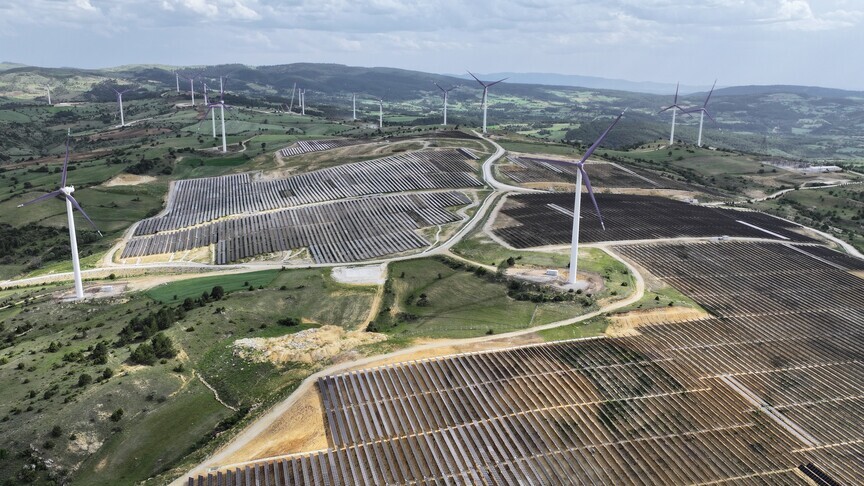
Global Energy Monitor analyst Christine Shearer wrote that wind and solar saved Türkiye $21.5 billion in fuel imports over 10 years. Wind and solar now account for one-third of installed capacity, with a target to increase this capacity to 120 gigawatts by 2035.
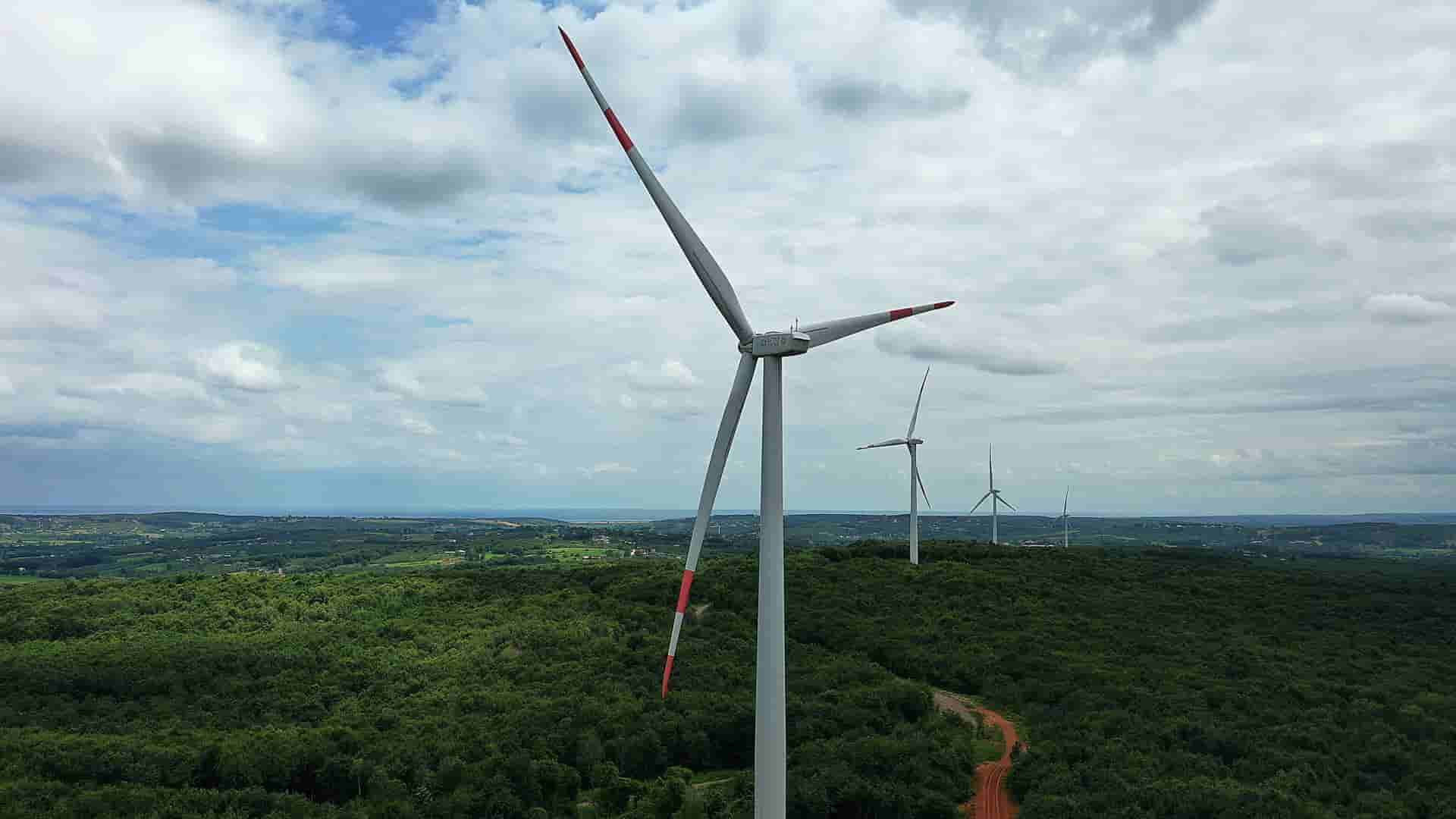
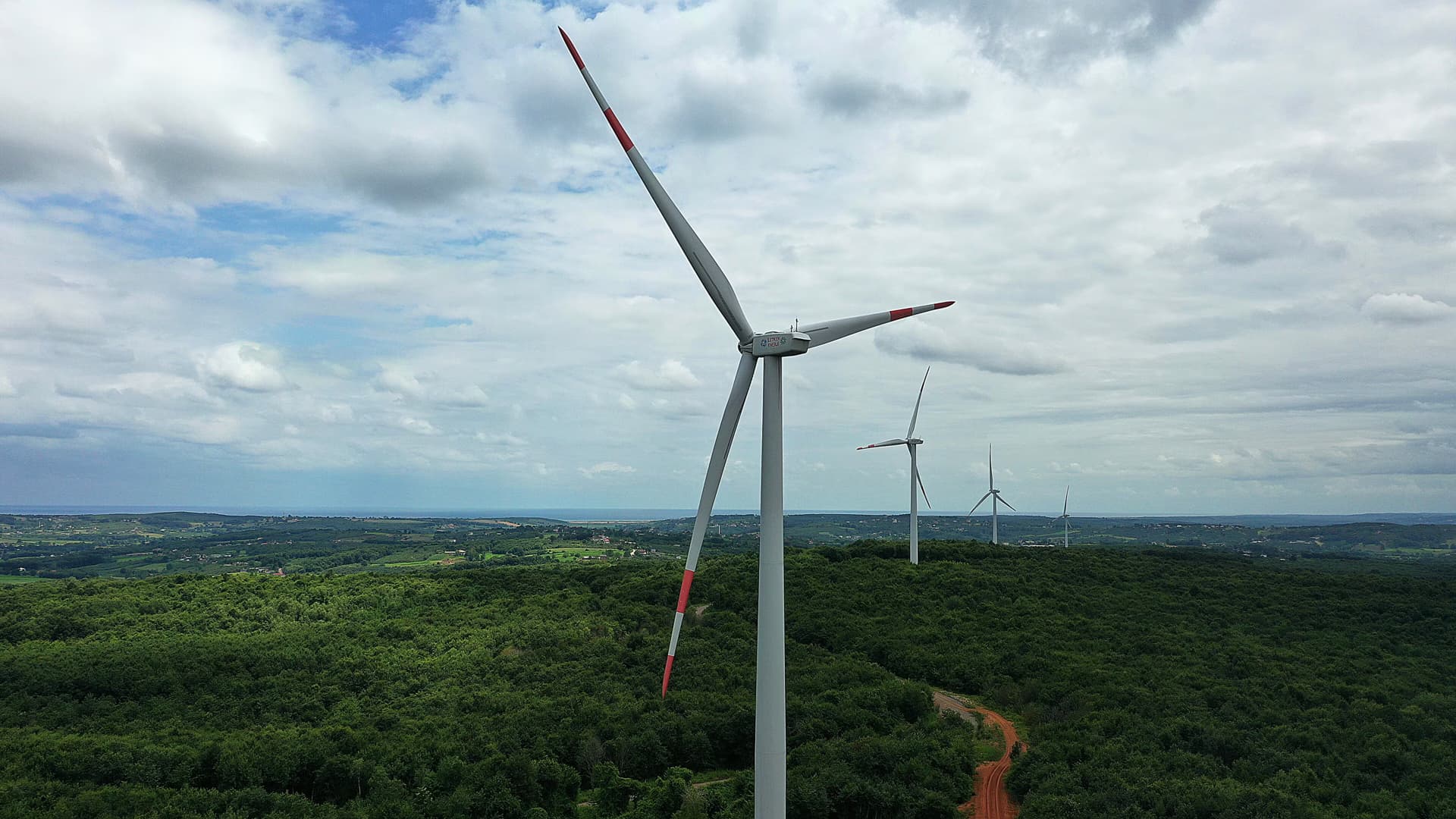
Türkiye’s energy system has undergone a transformation over the past decade, with wind and solar power growing rapidly while most plans for new coal-fired power plants have been shelved, according to an analysis written by Global Energy Monitor research analyst Christine Shearer for Anadolu Agency. Wind and solar power account for approximately one-third of the country’s installed electricity generation capacity.
Most coal projects shelved
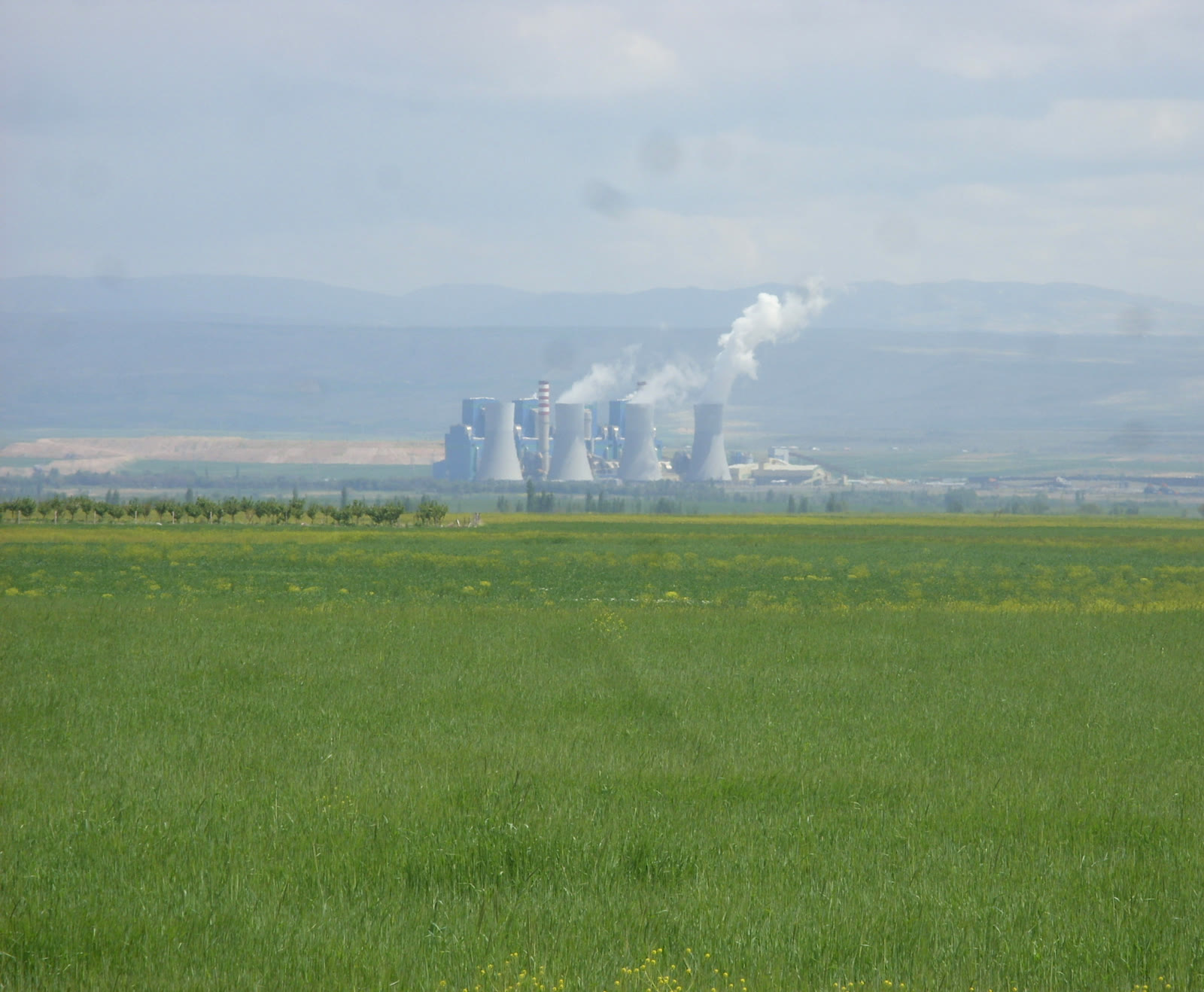
Türkiye’s 54.5-gigawatt coal power plant project pipeline in 2014 was the third-largest in the world, after those of China and India. Nearly all of these projects were canceled or suspended.
Only a small number of coal projects remain. They include the expansion of the Afşin-Elbistan power plant, where the appeals process is ongoing, and a plan to add a new unit to the Cenal power plant in Çanakkale.
$21.5 billion equivalent in fuel import savings
Calculations by the Ministry of Energy and Natural Resources show that the growth of wind and solar power kept the equivalent of $21.5 billion in fossil fuel imports in the country during the 2015-2025 period. Wind and solar are the most cost-competitive options among new electricity generation investments and form the fastest-growing group among planned new electricity sources.
Türkiye is also among the leading countries in terms of planned battery storage capacity linked to renewable energy. Falling storage costs are helping electricity generated from renewable sources enter the system more easily and at lower cost.
The government plans to triple the total installed capacity of wind and solar power by 2035, reaching 120 gigawatts. Türkiye also called under COP31 for electricity to meet 35 percent of global energy demand in 2035.
Efficiency problems with domestic coal
Domestic coal is seen as one of the tools of energy security because it reduces dependence on imported fuels. However, low-quality lignite and asphaltite account for 93 percent of Türkiye’s coal resources. These resources require more coal to be burned to produce the same amount of energy and result in higher pollution.
The availability of domestic coal-fired power plants for electricity generation also remains limited. Approximately half of the 10.4 gigawatts of domestic coal capacity is able to generate power at any given time, while the outage duration at these plants is five times longer than at plants using imported coal.
Although domestic coal remains important for employment in some regions, clean energy investments could create thousands of new jobs in the Afşin-Elbistan region alone. Supporting workers in the clean energy transition and communities in coal-producing regions is therefore important.
European market regulations increase pressure
The European Union’s Carbon Border Adjustment Mechanism entered into force in January. The regulation imposes a carbon cost on emissions embedded in imported products, including iron and steel, aluminum, cement and electricity.
Türkiye was among the leading sources of imports covered by the mechanism at the beginning of 2026. This makes reducing the carbon intensity of industry and the electricity system more important for Türkiye’s commercial competitiveness with Europe.
The possibility of also counting indirect emissions from electricity use links Türkiye’s energy transition not only to climate goals but also to industrial competition in the European market.
Room to expand renewable capacity
Türkiye can achieve further reductions in imported fuel costs by increasing the potential of wind and solar power. If electricity use increases in transportation, heating and industry, meeting additional electricity demand from renewable sources could extend the energy security gains beyond the electricity sector.
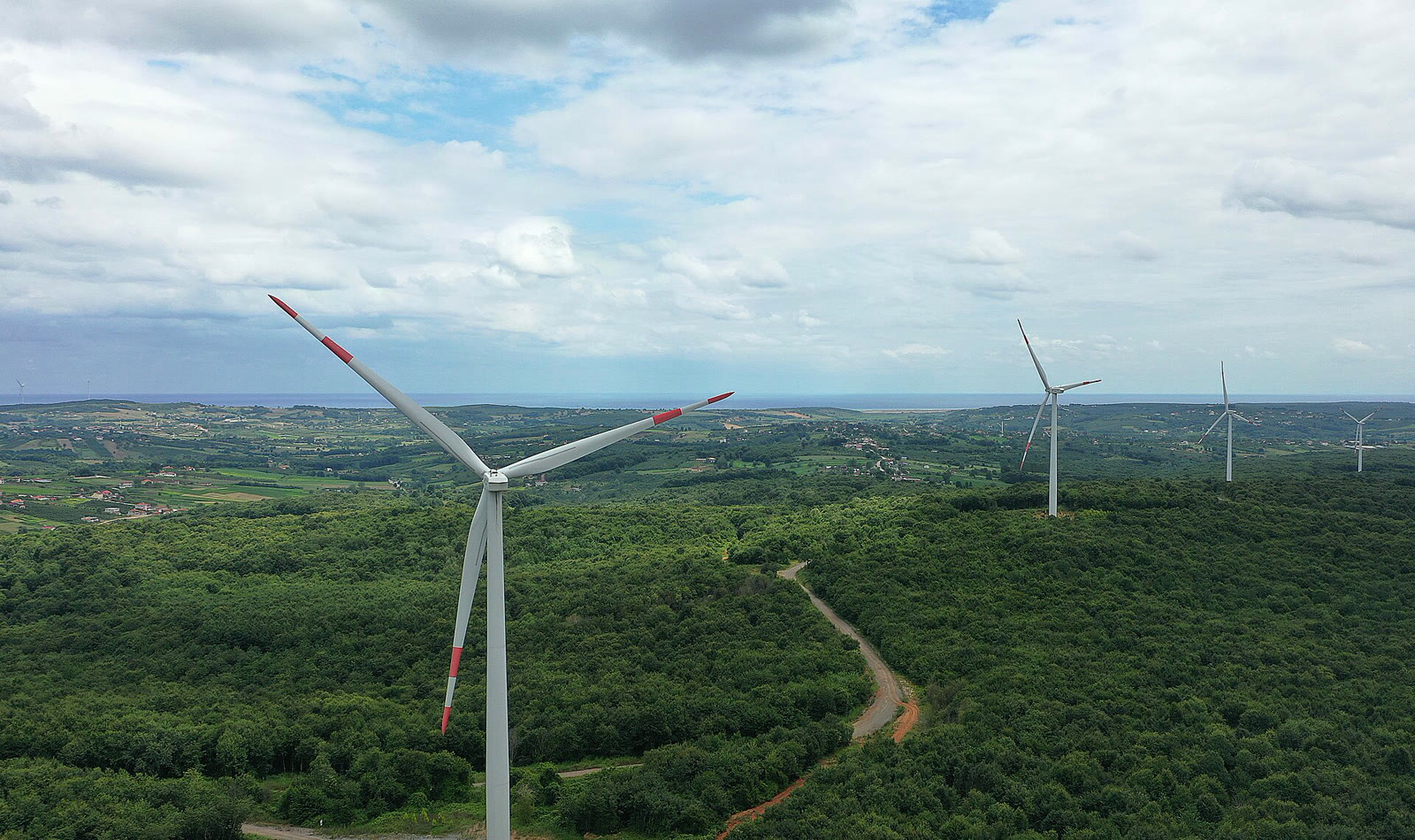
The region where Türkiye is located is considered to have significant untapped wind and solar potential. Recent disruptions in global energy markets caused by the war with Iran have also highlighted the energy security advantage of wind and solar power, which are less affected by increases in fuel prices, including coal.
Shearer emphasized that Türkiye has an opportunity to maintain this momentum in renewable energy during the period when it will host COP31.
Source: Anadolu Ajansı
Have a story, event or announcement of your own?Send us your news on WhatsApp
Spotted an error in this story?Report it on WhatsApp
Share on all social platforms
Sponsored Ads
Featured Listings
Loading featured properties...
Stay Updated with The Turkiye Times
Subscribe to be informed about special news, developments and announcements. We will keep you informed.
By signing up, you agree to our Privacy Policy