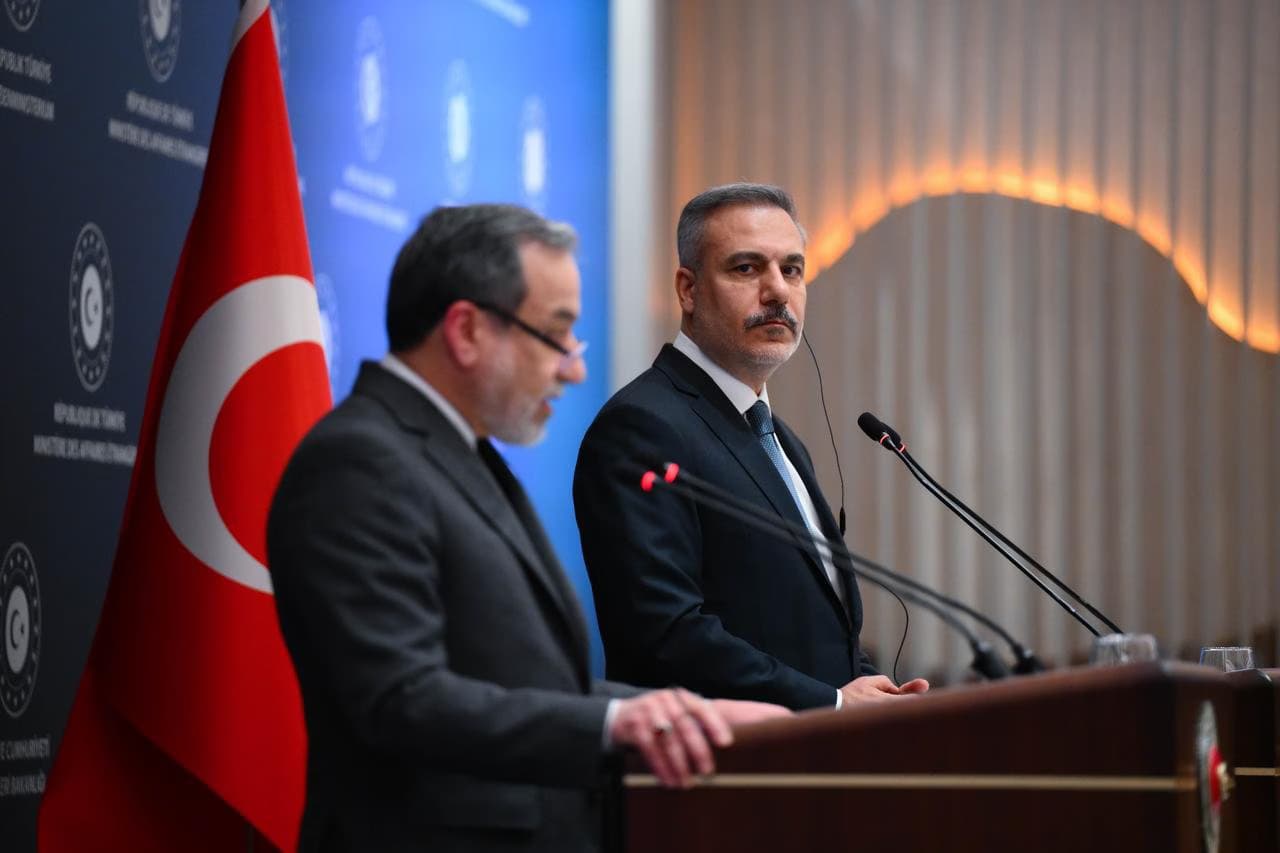
Iranian Foreign Minister Abbas Araghchi said that his country wanted to strengthen its political and economic relations with Muslim states, particularly neighboring countries.
Speaking during meetings with guests at the 40th International Islamic Unity Conference, Araghchi said they wanted to establish good relations with all Islamic countries. The Iranian minister said they also aimed to expand economic relations with all Muslim countries.
Relations with Egypt and Lebanon
Regarding Egypt, Araghchi said there was no basis for a dispute between Tehran and Cairo and that Iran wanted to establish good relations with Egypt. He said Iran would also be ready if Egyptian officials decided to restore relations and were prepared to do so.
Araghchi said they wanted to establish good relations with all political groups and formations in Lebanon and were also ready to develop ties with the Lebanese government. However, Araghchi said they did not approve of some Lebanese government policies and expressed hope that Lebanon's Foreign Ministry would adopt a more rational approach.
Call to expand ties with African countries
The Iranian foreign minister argued that his country should also develop its traditionally good relations with African states. Araghchi said Iran's approach to the Islamic world was based on unity and that they wanted to expand relations with the Muslim world, placing particular importance on neighboring countries.
Regional military tensions
Addressing the military tensions in the region, Araghchi said Iran had targeted US positions in neighboring countries in response to US attacks. He said Tehran had not attacked any Muslim country or neighbor and that they had informed these states in advance that US bases and targets in regional countries would be struck if the United States attacked Iran.
Araghchi said that during the war, any American target, US base, facility or location where troops were gathered in the region would be struck by Iranian forces. He described the attacks by the United States and Israel as “illegitimate attacks” and Iran's response as “legitimate self-defense.”
Problems arose in implementing the agreement
Tensions between Tehran and Washington have remained high since late February, when the war began with attacks on Iran. Iran responded by targeting US military positions and assets in Arab countries aligned with Washington.
Iran and the United States signed a 14-point memorandum of understanding in Islamabad on June 18, mediated by Pakistan and Qatar, aimed at ending the clashes and paving the way for negotiations. However, the implementation of the agreement later encountered difficulties; Tehran accused Washington of failing to fulfill its commitments. After the United States resumed military attacks on Iran in July, Iran carried out new retaliatory attacks.