- BIST10011,722-2.89%
- USD49.45+0.05%
- EUR55.62+0.37%
- GOLD4,181.10+0.26%
- INTEREST37.00%-1.00
- BITCOIN81,431-0.09%
- October 17, 202612°
- BIST10011,722-2.89%
- USD49.45+0.05%
- EUR55.62+0.37%
- GOLD4,181.10+0.26%
- INTEREST37.00%-1.00
- BITCOIN81,431-0.09%
- October 17, 202612°
Tesla’s Flying Roadster Makes Global Headlines: Spectacle Amazes, Questions Remain
Tesla’s new Roadster, which takes off using SpaceX thrusters, travels upside down on a ramp and jumps over vehicles, received extensive global media coverage. While the company’s shares rose the following morning, experts are debating whether the vehicle can enter traffic and how safe it is.
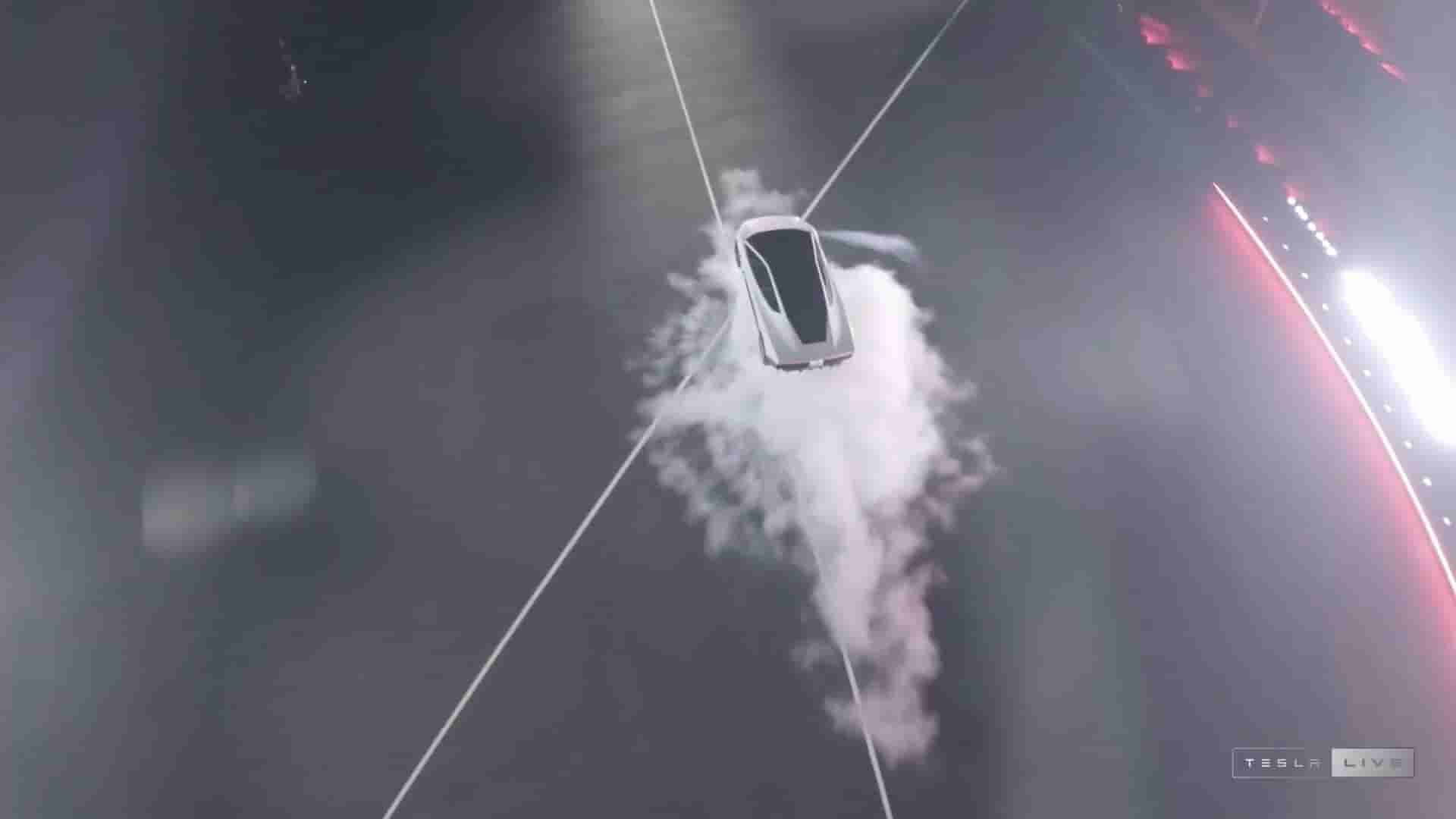
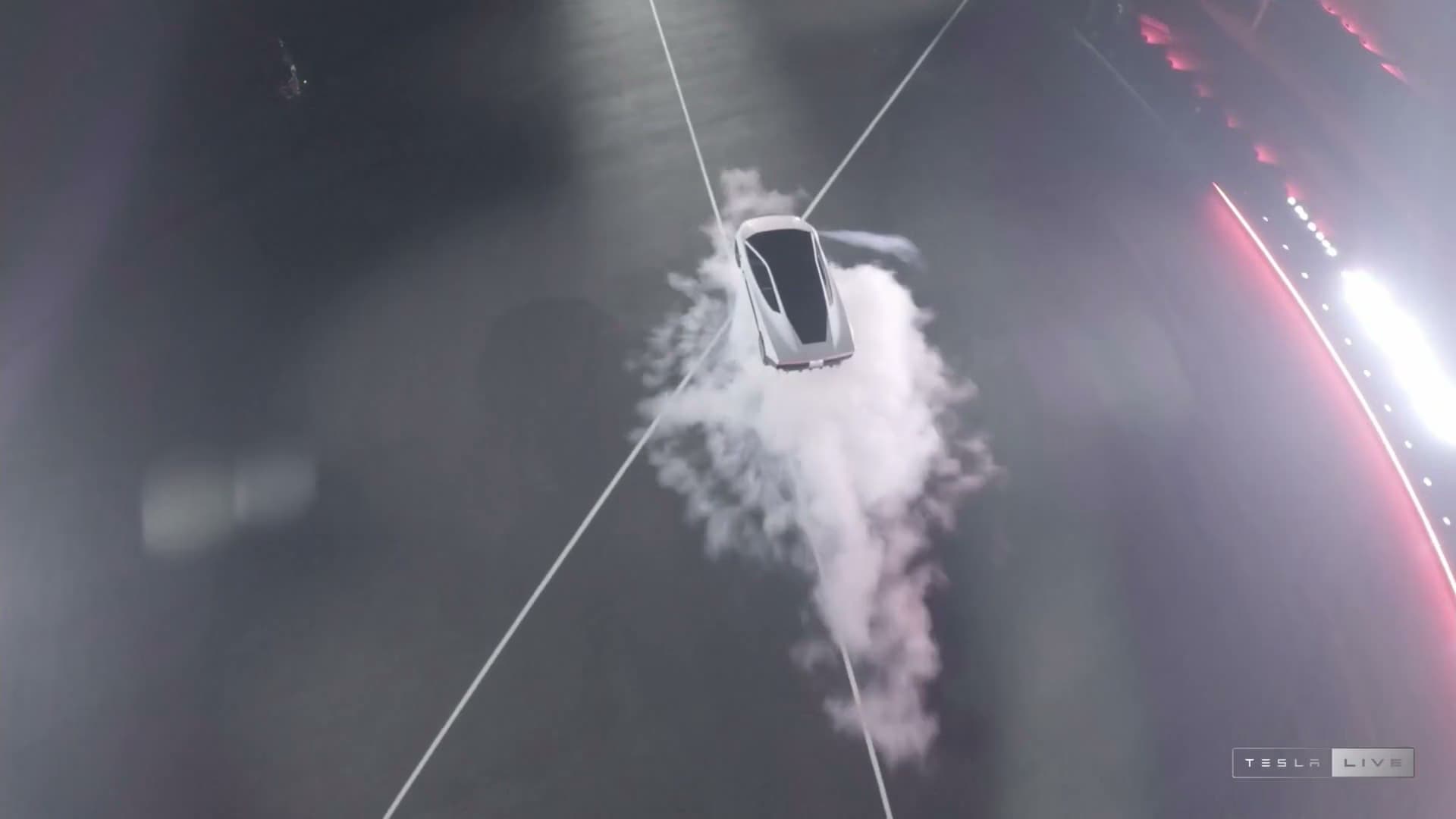
The second-generation Roadster, unveiled by Tesla on the night of October 15 at SpaceX’s rocket testing facility in McGregor, Texas, became one of the world’s most talked-about topics the following day. In front of spectators, the vehicle traveled upside down on a giant curved ramp, took off from the end of the ramp, flipped in midair and landed on its wheels.
Elon Musk, who watched the demonstration, told the crowd, “You won’t believe what you’re seeing with your own eyes.” His first words after the demonstration were, “Well, it worked.”
Ramp, flip and jump over vehicles
Lars Moravy, Tesla’s vice president responsible for vehicle engineering, explained that the fan suction system beneath the vehicle generated up to 2G of downforce, keeping the car attached to the ramp even while it was upside down. According to Moravy, the vehicle has 10 thrusters powered by 600 liters of compressed air stored in a rechargeable tank.
In the second demonstration, the Roadster fired its thrusters while moving and jumped over the Cybercab, Cybertruck, Tesla Semi, Model Y and Model 3 in succession. Moravy said, “Flying cars are real.”
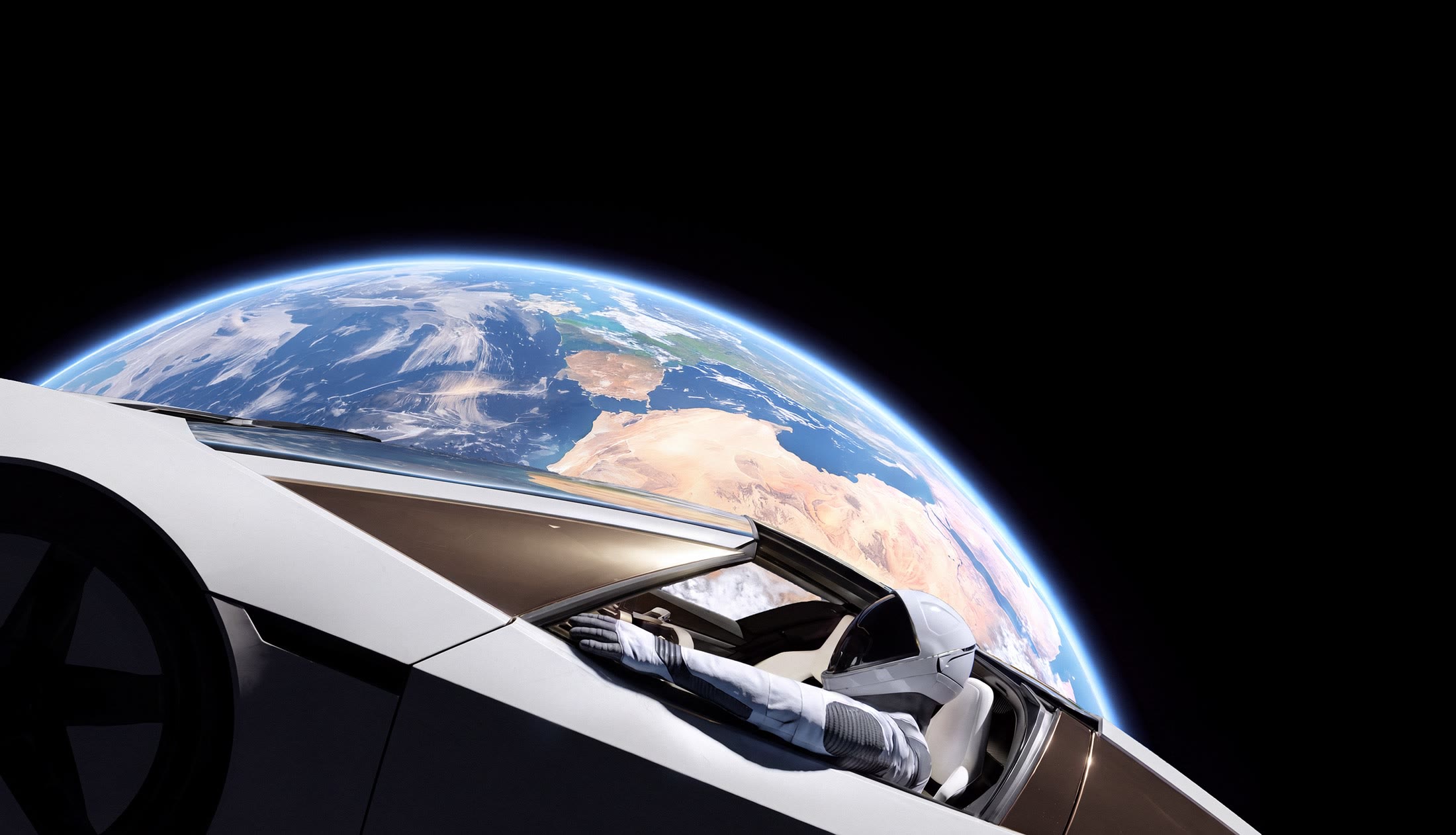
Three versions, production in 2028
- Performance: two-seater, active aerodynamics and a multi-mode suction system; preorder price $50,000.
- Thrust: two-seater, cold-gas thrusters at the rear; preorder price $250,000.
- Rocket: single-seater, to be sold by invitation only and not approved for road use.
- According to Tesla, all versions have a range exceeding 480 kilometers and a top speed exceeding 370 kilometers per hour.
In the recorded test shown by Tesla, the vehicle accelerated from 0 to 60 miles per hour (approximately 97 km/h) in 0.81 seconds, according to the company. This figure has not been verified by an independent organization. Musk said production would begin in 2028 but did not disclose the sales price.
What did the global media write?
European-based Euronews headlined its report with Musk’s words, “Well, it worked.” The US technology site TechCrunch wrote that the Roadster “flies and falls with style.” Britain’s GB News quoted Musk as saying the vehicle’s road handling appeared “as if it were breaking the laws of physics.” Israel’s Ynetnews compared the unveiling to a Hollywood spectacle rather than a traditional car launch.
Not everyone was convinced. Technology commentator Marques Brownlee, one of the customers who had been waiting for the vehicle for years, recalled that a new car weighing more than 1.8 tons could flip and was said to be delivered in 2028, asking, “This is a joke, right?”
Stock market welcomed it with a rise
According to Yahoo Finance, Tesla shares, which had closed at $362.44 after falling 1.3% the previous day, rose 5.25% in premarket trading the morning after the demonstration. Gene Munster, an analyst at Deepwater Asset Management, described the unveiling as “an engineering show of strength with no commercial value beyond embarrassing traditional automakers.” According to Munster, the demonstration also reflects Musk’s desire to bring Tesla and SpaceX closer together.
Will it be allowed on the road?
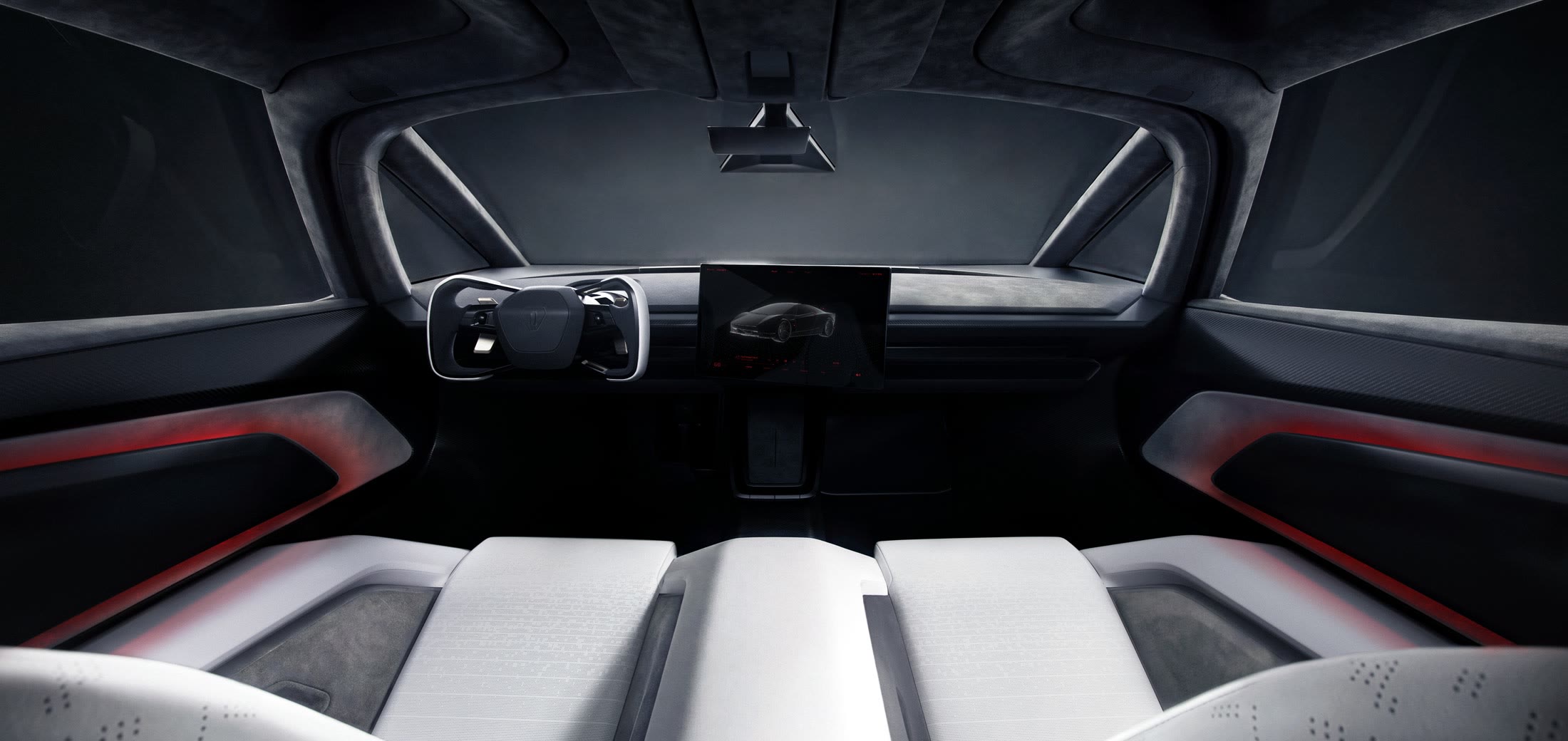
When asked whether the vehicle would be allowed on the road, Musk replied, “It depends on your route.” The absence of visible side mirrors and the use of mechanical door latches on the demonstrated vehicle raised questions about how the production version would comply with US federal safety standards. Musk also said that the Roadster “is not a vehicle optimized for safety.”
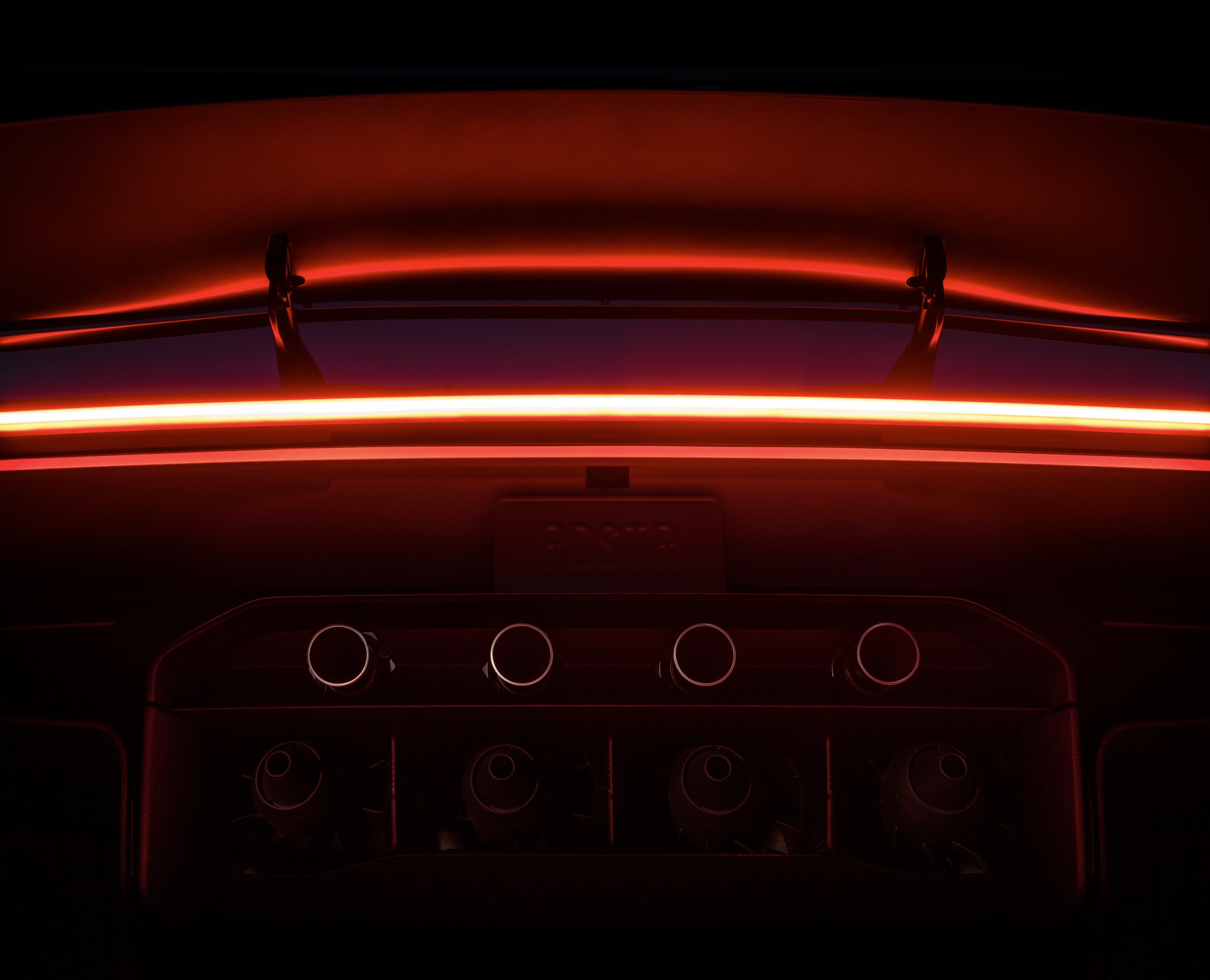
The Roadster’s journey has also been a long one. Tesla first unveiled the second-generation Roadster in November 2017, promised acceleration from 0 to 60 miles per hour in 1.9 seconds and delivery in 2020, and collected down payments of between $50,000 and $250,000 from customers. The project was postponed repeatedly; the latest unveiling was also moved from October 1 to October 15 because of bad weather.
Tesla announced that the vehicle’s design was inspired by the SR-71 reconnaissance aircraft and the F-35 fighter jet. While Musk described the Roadster as “the best of the last cars driven by humans,” he also said Tesla might one day attempt to cross Snake River Canyon with the vehicle, a feat Evel Knievel attempted in 1974.
Have a story, event or announcement of your own?Send us your news on WhatsApp
Spotted an error in this story?Report it on WhatsApp
Share on all social platforms
Sponsored Ads
Featured Listings
Loading featured properties...
Stay Updated with The Turkiye Times
Subscribe to be informed about special news, developments and announcements. We will keep you informed.
By signing up, you agree to our Privacy Policy