- BIST10012,031-0.72%
- USD49.39+0.05%
- EUR55.30+0.16%
- GOLD4,171.80+1.56%
- INTEREST37.00%-1.00
- BITCOIN80,995-0.71%
- October 15, 202615°
- BIST10012,031-0.72%
- USD49.39+0.05%
- EUR55.30+0.16%
- GOLD4,171.80+1.56%
- INTEREST37.00%-1.00
- BITCOIN80,995-0.71%
- October 15, 202615°
Türkiye’s education ministry to distribute materials on the Turkic world in 2026-27
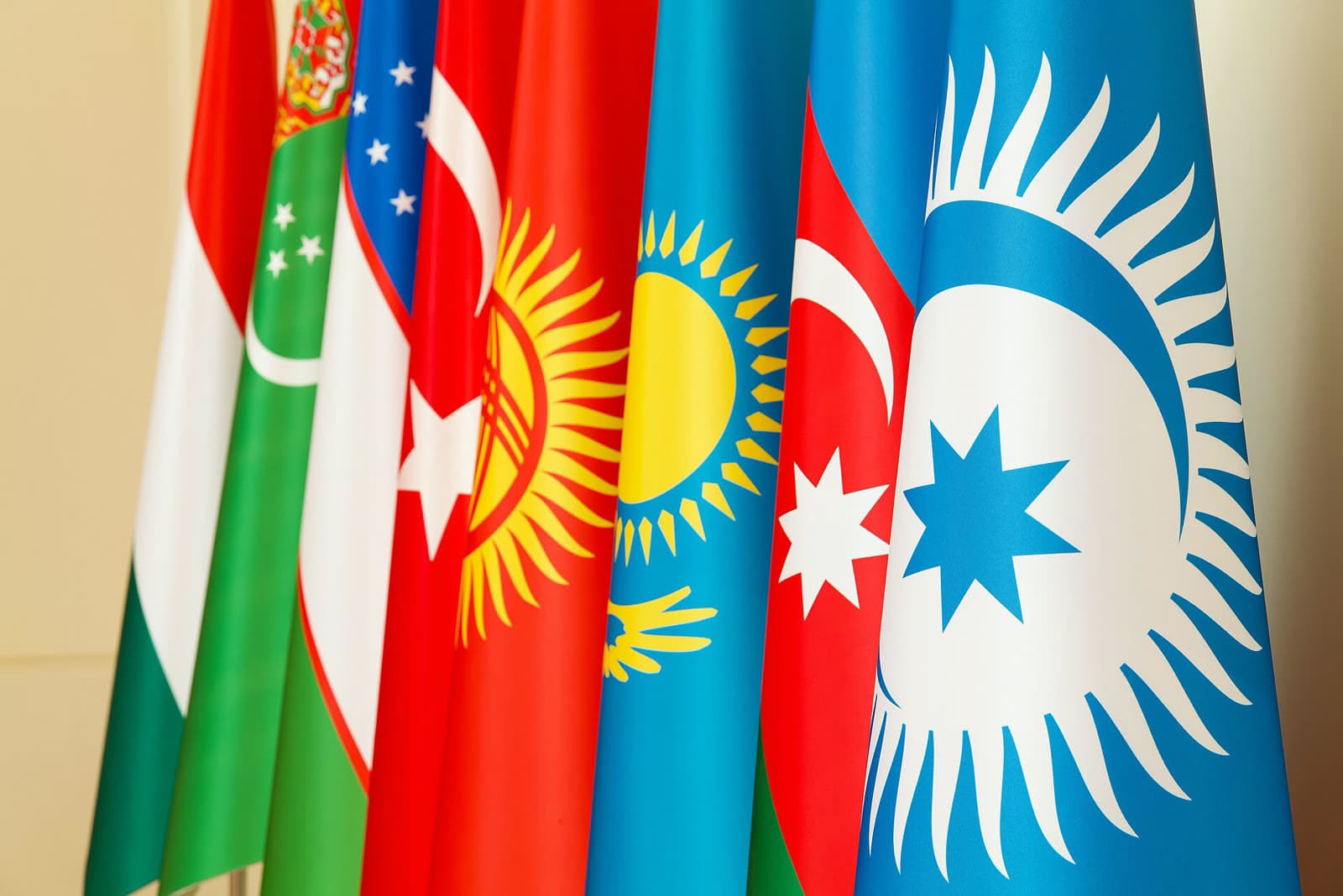
Türkiye’s Ministry of National Education will provide students with two educational materials covering the history, culture and geography of the Turkic world during the 2026-27 academic year. The materials will be distributed free of charge alongside textbooks and supported by digital content.


Türkiye’s Ministry of National Education has prepared two educational materials to introduce students to the shared history, cultural heritage and geographical richness of the Turkic world. The materials will reach students alongside the textbooks distributed free of charge at the beginning of the 2026-27 academic year.
The materials were developed in line with the Türkiye Century Education Model’s educational approach, which extends “from roots to the future.” The content aims to help students learn about national, spiritual and cultural values, establish connections with their historical and cultural heritage, and develop an awareness of the shared identity of the Turkic world.
A story-based journey for children
“Hakan and Bilge’s Journey through the Turkic World,” prepared by the Ministry of National Education’s General Directorate of Basic Education, was designed to suit the age and developmental characteristics of students in basic education. In addition to its printed content, the book is supported by digital elements such as animation and games.
The story begins when two siblings, Hakan and Bilge, discover an atlas with blank pages that belonged to their grandfather. During the journey, which begins with a bookmark featuring a fallow deer, the atlas’s pages are filled with the information the siblings learn, the cultural values they discover and the memories they make.
Hakan and Bilge learn about historic cities, architectural works, prominent figures, traditional ways of life and natural beauty in different countries of the Turkic world. The story presents a range of subjects, from historic sites and traditional games to epics, music, science, art and architecture, through the children’s curiosity, questions and observations.
15 main routes for high school students
“The Atlas of Turkic World Culture: Bilge and Hakan’s Journey Beyond Time,” prepared by the Ministry of National Education’s General Directorate of Secondary Education, invites high school students to explore the shared memory of the Turkic world stretching from the Altai Mountains to the Adriatic.
The atlas begins with Bilge and Hakan examining a map of the Turkic world in “Dīwān Lughāt al-Turk” by Mahmud al-Kashgari, which they find in their grandfather Turan’s library. Following the call in the letter, the journey begins in Malazgirt and ends in Ankara, passing through historic and cultural centers including Ahlat, Baku, Ashgabat, Samarkand, Bishkek, Ötüken and Mostar.
The work examines the geography stretching from Anatolia and the Caucasus to Turkestan and Siberia, and from the Balkans to the Mediterranean, along 15 main routes. The routes introduce historic cities, architectural works, prominent figures, epics, traditions, music, cuisine, handicrafts and shared social values through maps, photographs and illustrations.
At the beginning of each route are panels reflecting the region’s natural and cultural heritage. “Information Break” sections provide explanations of historical and cultural elements, while “Through Bilge and Hakan’s Lens” sections turn the places visited into a travel album through photographs, brief notes and memories.
Digital content and the “Turquoise Identity”
Students will be able to access animations, digital videos, interactive maps, virtual tours and enriched educational content through QR codes in different sections of the atlas. This will allow routes, cities, historic structures and elements of cultural heritage to be explored in digital environments as well.
The symbolic “Turquoise Identity” application designed as part of the atlas will serve as a travel document where students can record the tasks they complete. The application aims to enable students to take an active role in discovering the shared memory and cultural ties of the Turkic world.
The digital versions and enriched content of both works will be made available to teachers, students and parents through the Education Information Network and the ministry’s digital platforms.
Tekin: Shared values connect the Turkic world
Minister of National Education Yusuf Tekin, who wrote the introductory note for the materials, said the Turkic world was a large family united by a shared history, rich culture and values preserved for centuries.
Tekin said the Turkic communities living across the geography stretching from Anatolia to the vast steppes of Turkestan had created a deep-rooted civilizational heritage through their languages, epics, traditions, arts and ways of life. He said that although they live in different countries and cities, shared words, melodies, games, dishes, traditions and epics connect the Turkic world.
Addressing young people, Tekin said borders drawn on maps could not sever the ancient ties in people’s hearts. He expressed hope that the works prepared would open new horizons in students’ intellectual worlds, keep alive an awareness of the shared identity of the Turkic world and shed light on the journey from a deep-rooted past toward a common future.
Stay Updated with The Turkiye Times
Subscribe to be informed about special news, developments and announcements. We will keep you informed.
By signing up, you agree to our Privacy Policy