- BIST10011,628+1.73%
- USD49.55+0.21%
- EUR55.57-0.09%
- GOLD4,141.40-0.45%
- INTEREST37.00%-1.00
- BITCOIN81,362-0.59%
- October 20, 202620°
- BIST10011,628+1.73%
- USD49.55+0.21%
- EUR55.57-0.09%
- GOLD4,141.40-0.45%
- INTEREST37.00%-1.00
- BITCOIN81,362-0.59%
- October 20, 202620°
Türkiye moves to common written exams in middle and high schools
Türkiye's Education Ministry has published the guidelines for a Common Written Exam System based on open-ended questions, to be used in middle and high schools from the first written exams of the 2026-2027 school year.
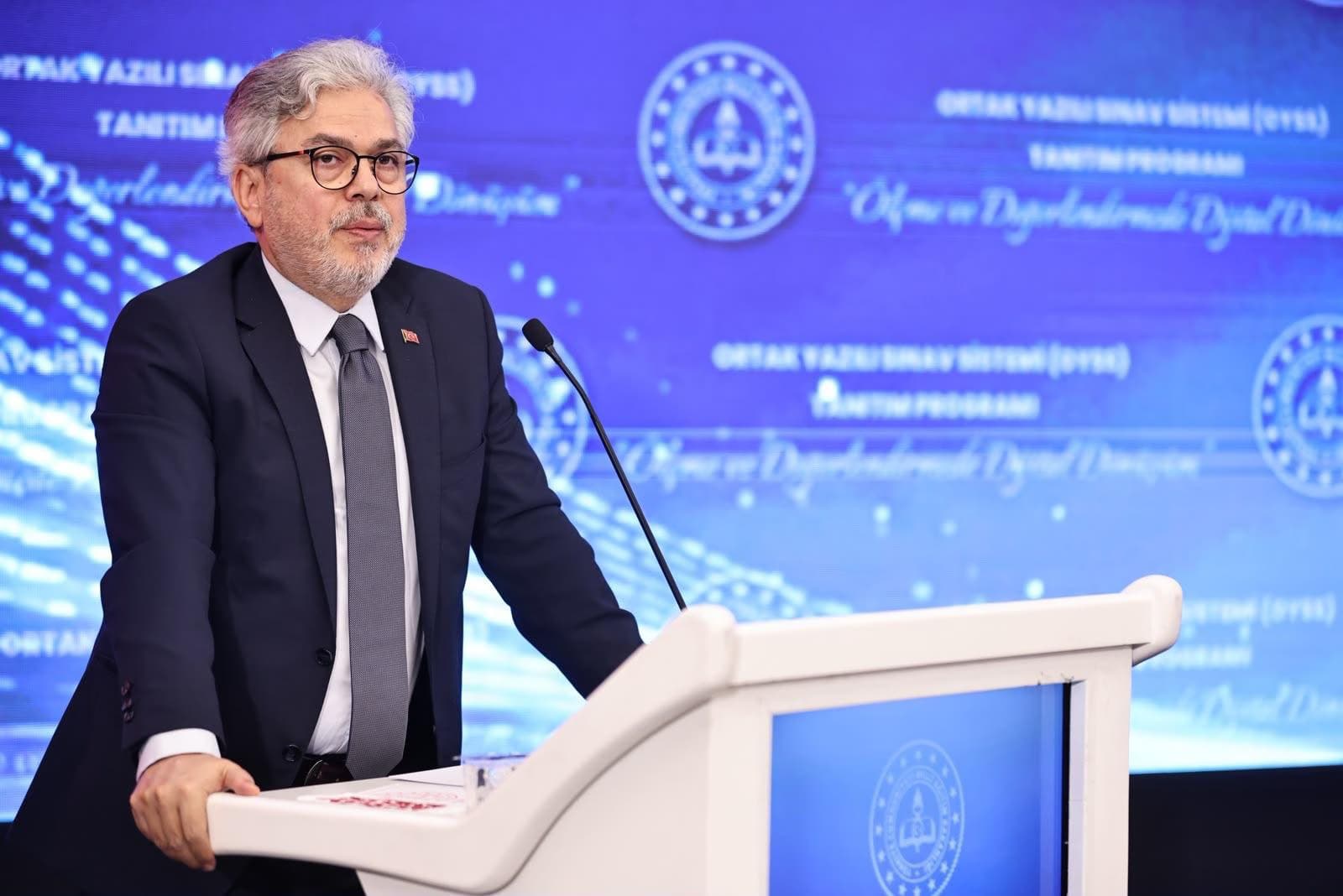
Türkiye's Ministry of National Education (MEB) is switching to a Common Written Exam System (OYSS) for written exams in middle and high schools. The ministry has published the implementation guidelines for the system, which is based on open-ended questions.
The system will apply to grades 5, 6 and 7 in middle schools and grades 9, 10 and 11 in high schools, starting with the first written exams of the first term of the 2026-2027 school year. English classes in grades 7 and 11 are excluded.
How will the questions be prepared?
Exams will be drawn up according to topic distribution tables and scenarios set by subject teacher groups. Teachers will write two open-ended questions and a scoring key for two learning outcomes in the chosen scenario, while the remaining questions will come from the ministry's question bank. Teachers will decide whether questions are easy, medium or difficult and how many points each is worth.
About 8,000 questions will be uploaded before the first common exams, and about 8,000 new questions are to be developed for each exam period. Questions in the bank will be made available to teachers four days before the exam.
Which subjects are covered?
In middle school, the system covers Turkish, mathematics, science, social studies, religious culture and ethics, and English. In high school, it covers Turkish language and literature, mathematics, physics, chemistry, biology, history, geography, philosophy, religious culture and ethics, and English.
Teachers will enter question-by-question scores into the e-Okul system. Results will be analyzed at student, class and section level, and students will be able to see the learning outcomes in which they are strong and those they need to improve. The ministry also plans to integrate AI-assisted question writing and scoring of open-ended answers into the system.
System to be used from Oct. 26
Briefings and training on the system will be completed between Oct. 19 and 23. Teachers can try out the system until Oct. 26, after which all school-wide common written exam procedures will be carried out through it.
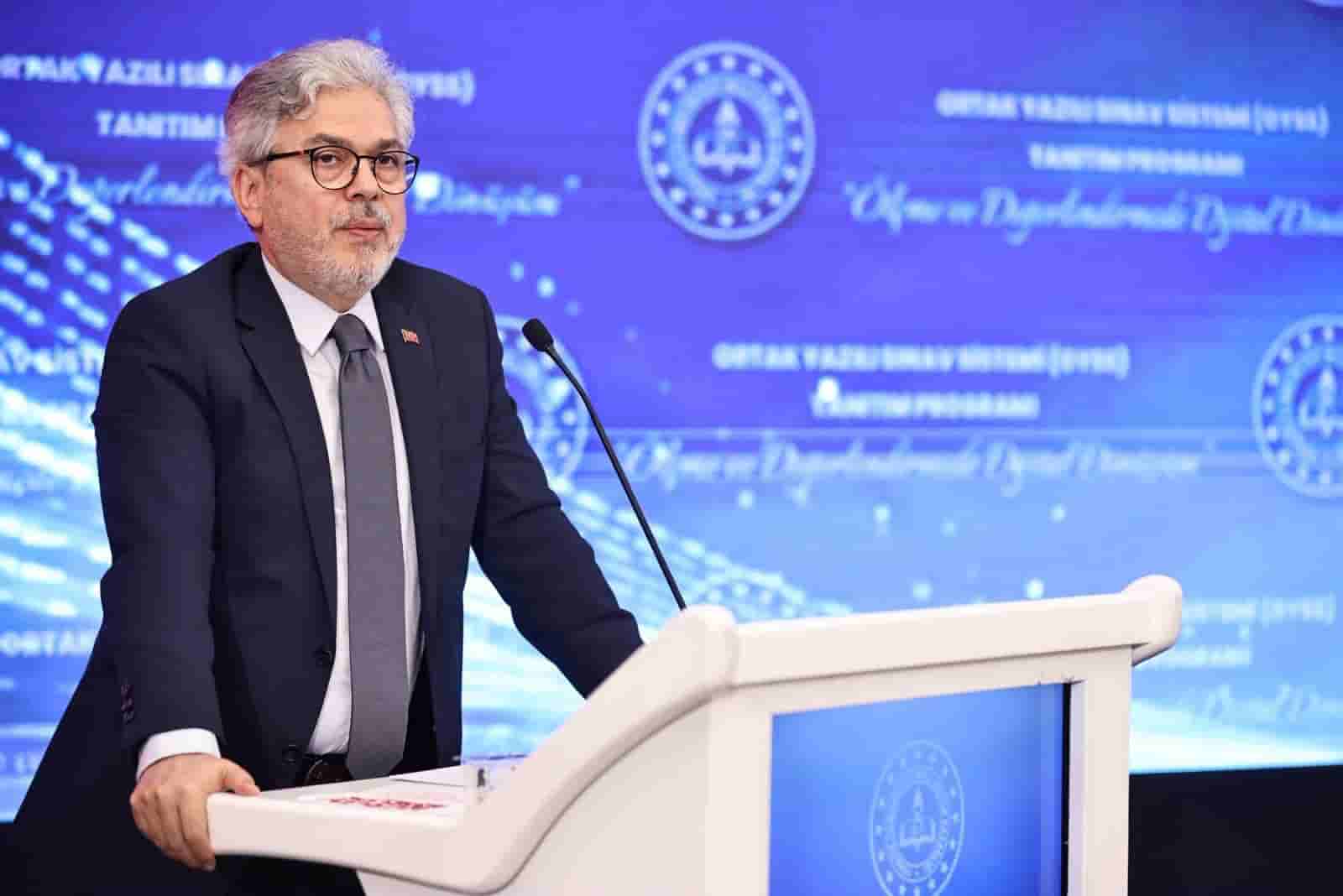
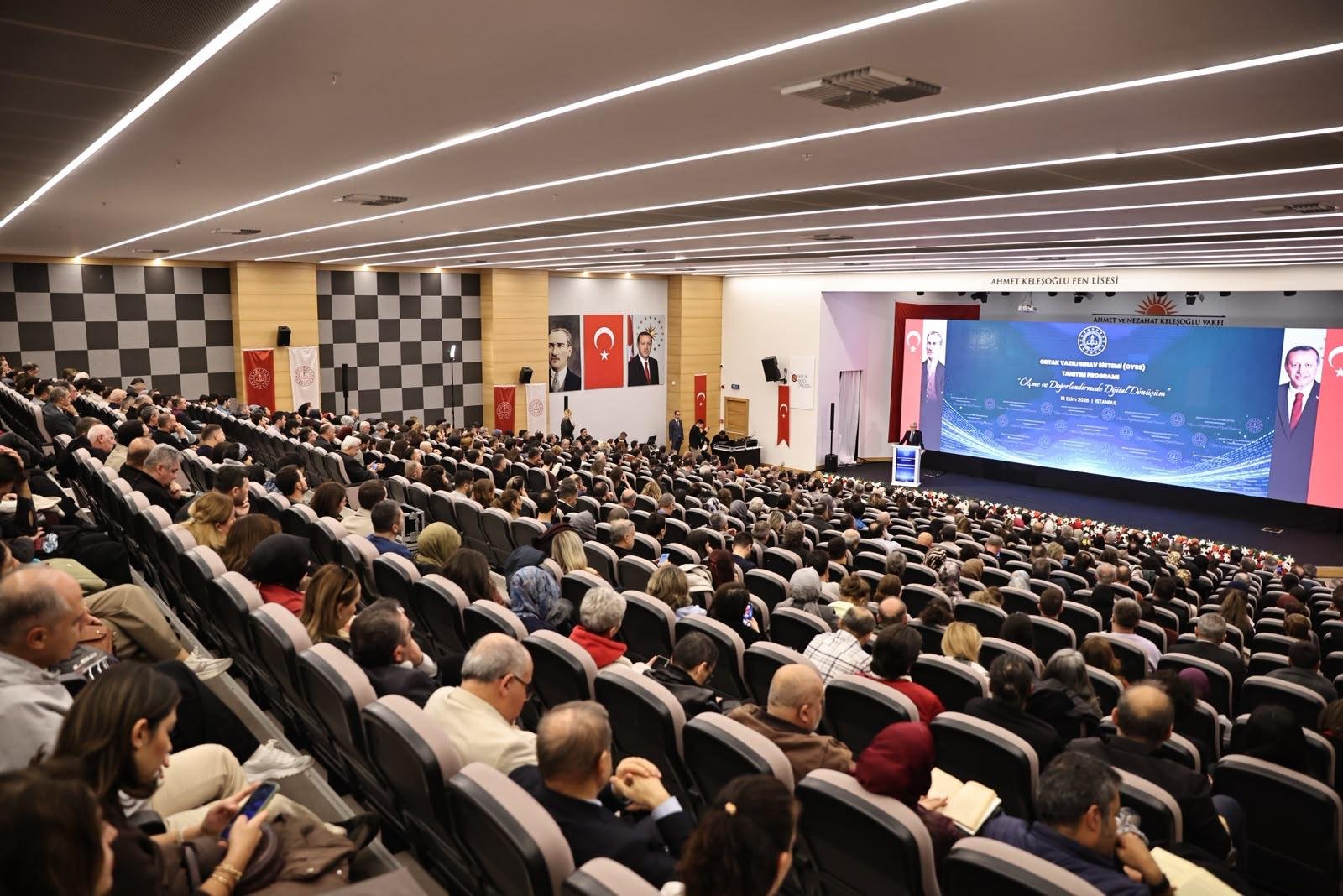
Deputy Education Minister Ömer Faruk Yelkenci, who introduced the system at a program in Istanbul on Oct. 16, said open-ended questions were "an important instrument for our children to form their own answers" and that feedback would be given to students and parents.
Stay Updated with The Turkiye Times
Subscribe to be informed about special news, developments and announcements. We will keep you informed.
By signing up, you agree to our Privacy Policy